
过滤式面罩呼吸器五种净化方法的评估
Evaluation of five decontamination methods for filtering facepiece respirators.
作者信息
Viscusi Dennis J, Bergman Michael S, Eimer Benjamin C, Shaffer Ronald E
机构信息
National Institute for Occupational Safety and Health, National Personal Protective Technology Laboratory, Pittsburgh, PA 15236, USA.
出版信息
Ann Occup Hyg. 2009 Nov;53(8):815-27. doi: 10.1093/annhyg/mep070. Epub 2009 Oct 4.
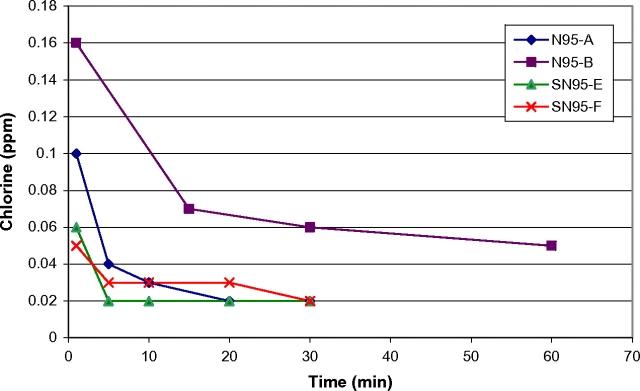
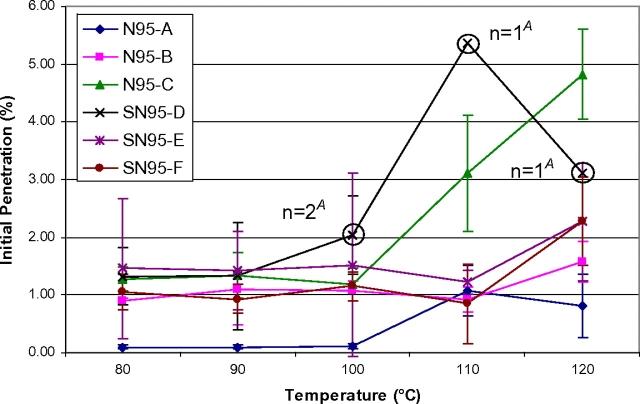
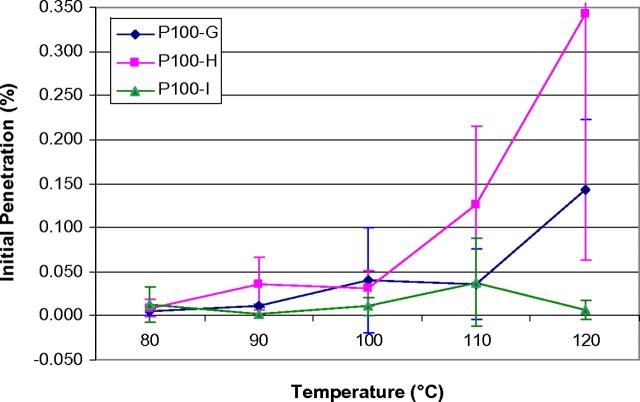
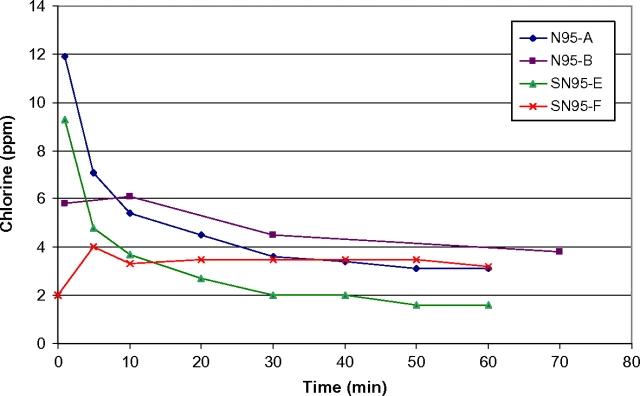
Concerns have been raised regarding the availability of National Institute for Occupational Safety and Health (NIOSH)-certified N95 filtering facepiece respirators (FFRs) during an influenza pandemic. One possible strategy to mitigate a respirator shortage is to reuse FFRs following a biological decontamination process to render infectious material on the FFR inactive. However, little data exist on the effects of decontamination methods on respirator integrity and performance. This study evaluated five decontamination methods [ultraviolet germicidal irradiation (UVGI), ethylene oxide, vaporized hydrogen peroxide (VHP), microwave oven irradiation, and bleach] using nine models of NIOSH-certified respirators (three models each of N95 FFRs, surgical N95 respirators, and P100 FFRs) to determine which methods should be considered for future research studies. Following treatment by each decontamination method, the FFRs were evaluated for changes in physical appearance, odor, and laboratory performance (filter aerosol penetration and filter airflow resistance). Additional experiments (dry heat laboratory oven exposures, off-gassing, and FFR hydrophobicity) were subsequently conducted to better understand material properties and possible health risks to the respirator user following decontamination. However, this study did not assess the efficiency of the decontamination methods to inactivate viable microorganisms. Microwave oven irradiation melted samples from two FFR models. The remainder of the FFR samples that had been decontaminated had expected levels of filter aerosol penetration and filter airflow resistance. The scent of bleach remained noticeable following overnight drying and low levels of chlorine gas were found to off-gas from bleach-decontaminated FFRs when rehydrated with deionized water. UVGI, ethylene oxide (EtO), and VHP were found to be the most promising decontamination methods; however, concerns remain about the throughput capabilities for EtO and VHP. Further research is needed before any specific decontamination methods can be recommended.
在流感大流行期间,人们对美国国家职业安全与健康研究所(NIOSH)认证的N95过滤式面罩呼吸器(FFR)的供应情况表示担忧。缓解呼吸器短缺的一种可能策略是在生物去污过程后重复使用FFR,以使FFR上的传染性物质失去活性。然而,关于去污方法对呼吸器完整性和性能影响的数据很少。本研究使用9种NIOSH认证的呼吸器型号(N95 FFR、外科N95呼吸器和P100 FFR各3种型号)评估了5种去污方法[紫外线杀菌辐照(UVGI)、环氧乙烷、汽化过氧化氢(VHP)、微波炉辐照和漂白剂],以确定哪些方法应在未来的研究中予以考虑。在每种去污方法处理后,对FFR的外观、气味和实验室性能(过滤气溶胶穿透率和过滤气流阻力)的变化进行评估。随后进行了额外的实验(干热实验室烘箱暴露、脱气和FFR疏水性),以更好地了解材料特性以及去污后对呼吸器使用者可能存在的健康风险。然而,本研究未评估去污方法灭活活微生物的效率。微波炉辐照使两种FFR型号的样品熔化。其余经过去污处理的FFR样品的过滤气溶胶穿透率和过滤气流阻力处于预期水平。过夜干燥后,漂白剂的气味仍然明显,当用去离子水复水时,发现经漂白剂去污的FFR会释放少量氯气。UVGI、环氧乙烷(EtO)和VHP被认为是最有前景的去污方法;然而,对于EtO和VHP的处理能力仍存在担忧。在推荐任何特定的去污方法之前,还需要进一步研究。
 Zotero 插件