
聚赖氨酸包覆氮化硼纳米管与 C2C12 细胞相互作用的研究:摄取、细胞相容性和分化。
Investigation of interactions between poly-L-lysine-coated boron nitride nanotubes and C2C12 cells: up-take, cytocompatibility, and differentiation.
机构信息
Scuola Superiore Sant'Anna, Pisa, Italy.
出版信息
Int J Nanomedicine. 2010 Apr 15;5:285-98. doi: 10.2147/ijn.s9879.
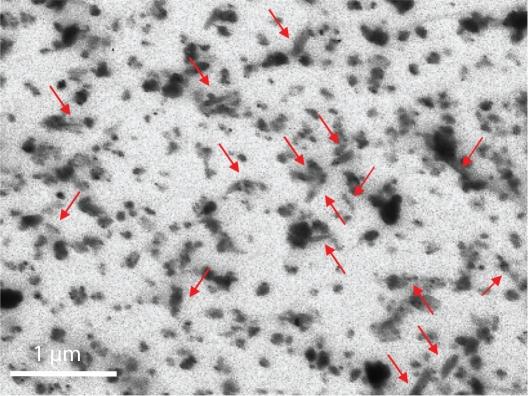
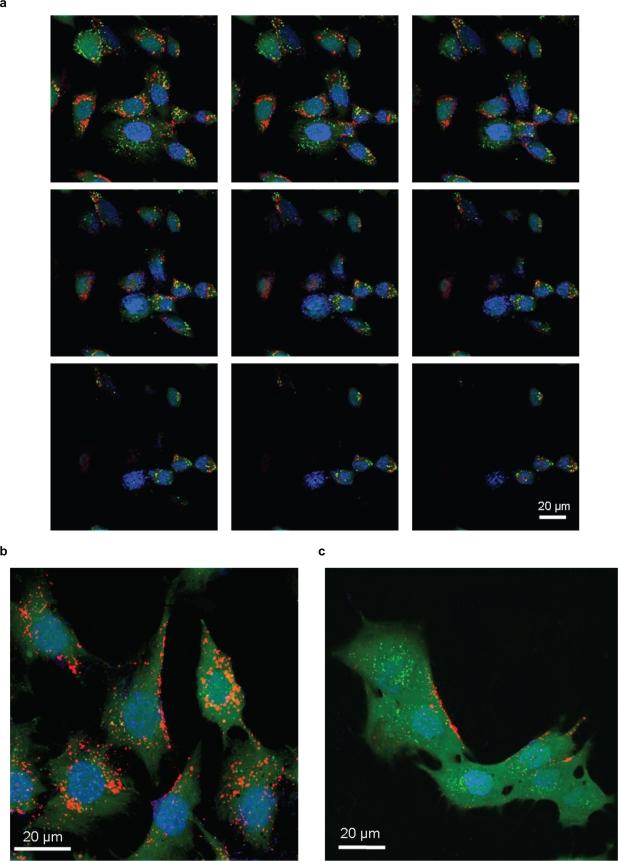
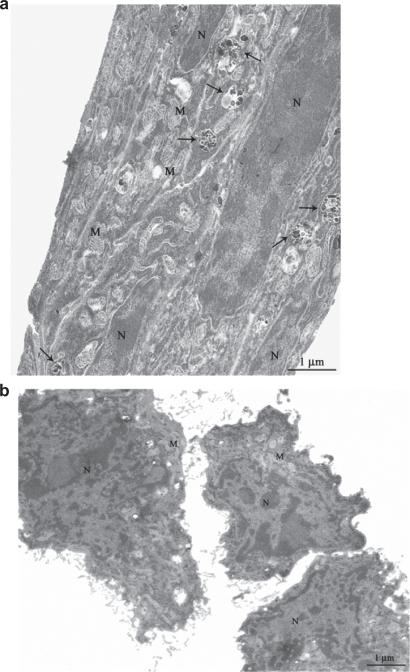
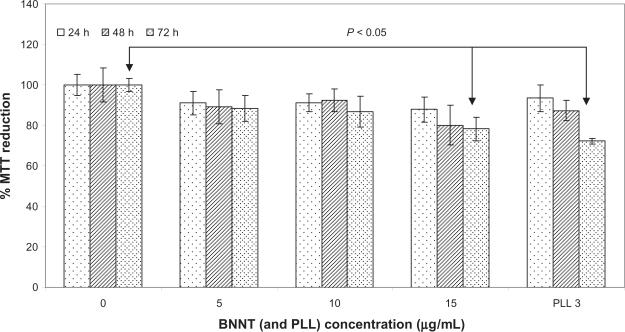
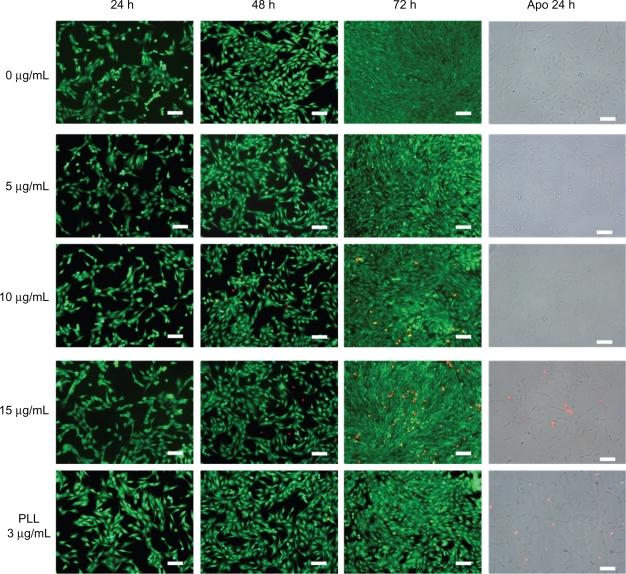
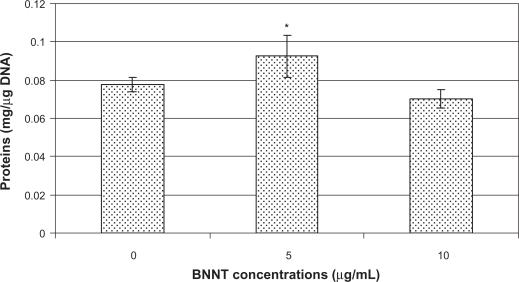
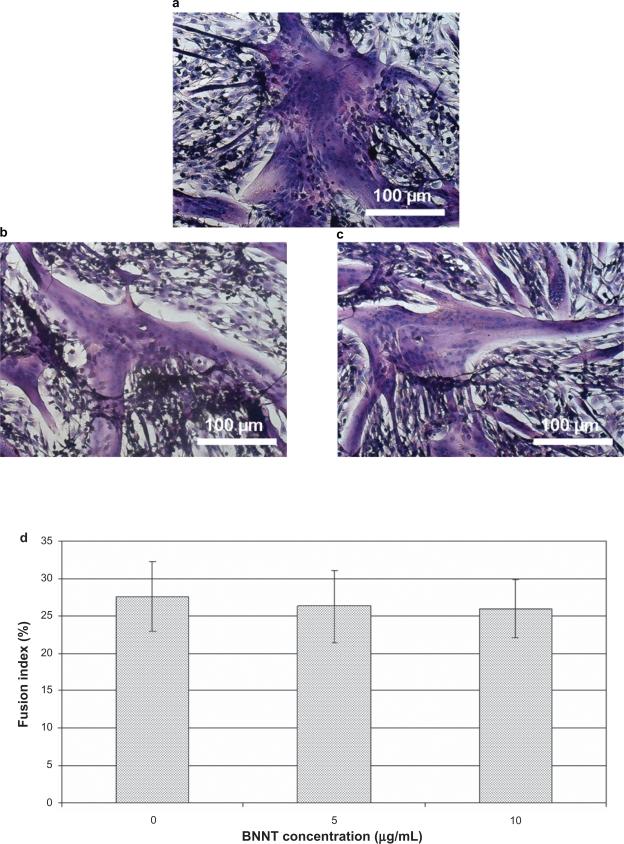
Boron nitride nanotubes (BNNTs) have generated considerable interest within the scientific community by virtue of their unique physical properties, which can be exploited in the biomedical field. In the present in vitro study, we investigated the interactions of poly-l-lysine-coated BNNTs with C2C12 cells, as a model of muscle cells, in terms of cytocompatibility and BNNT internalization. The latter was performed using both confocal and transmission electron microscopy. Finally, we investigated myoblast differentiation in the presence of BNNTs, evaluating the protein synthesis of differentiating cells, myotube formation, and expression of some constitutive myoblastic markers, such as MyoD and Cx43, by reverse transcription - polymerase chain reaction and Western blot analysis. We demonstrated that BNNTs are highly internalized by C2C12 cells, with neither adversely affecting C2C12 myoblast viability nor significantly interfering with myotube formation.
氮化硼纳米管(BNNTs)因其独特的物理性质在科学界引起了极大的兴趣,这些性质可在生物医学领域得到利用。在本体外研究中,我们研究了聚-l-赖氨酸包覆的 BNNTs 与 C2C12 细胞(作为肌肉细胞模型)的相互作用,包括细胞相容性和 BNNT 的内化。后者使用共聚焦和透射电子显微镜进行。最后,我们研究了 BNNTs 存在下的成肌细胞分化,通过逆转录-聚合酶链反应和 Western blot 分析评估分化细胞的蛋白质合成、肌管形成以及一些组成型成肌细胞标志物(如 MyoD 和 Cx43)的表达。我们证明 BNNTs 可被 C2C12 细胞高度内化,既不会对 C2C12 成肌细胞的活力产生不利影响,也不会显著干扰肌管形成。

 Zotero 插件