
癌症研究中动物福利和使用的指南。
Guidelines for the welfare and use of animals in cancer research.
机构信息
Cancer Research UK Centre for Cancer Therapeutics, The Institute of Cancer Research, Cotswold Road, Sutton, Surrey SM2 5NG, UK.
出版信息
Br J Cancer. 2010 May 25;102(11):1555-77. doi: 10.1038/sj.bjc.6605642.
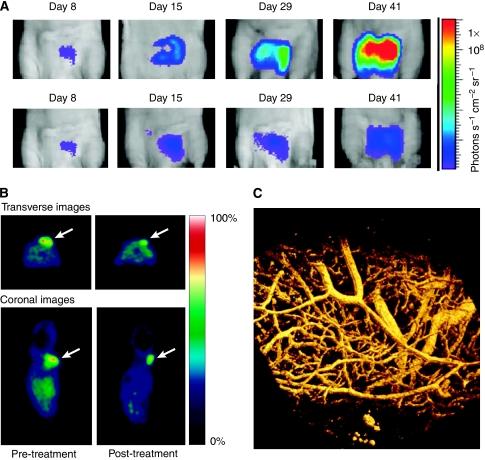
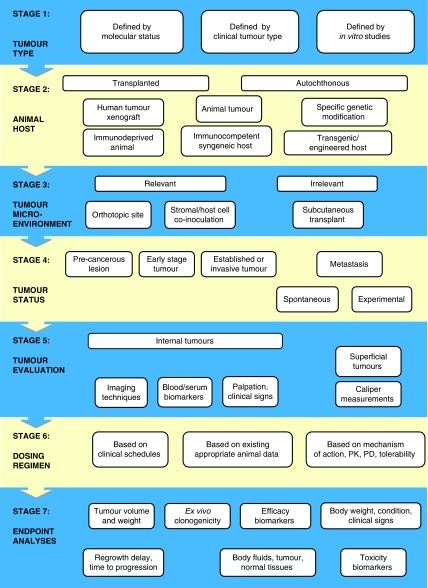
Animal experiments remain essential to understand the fundamental mechanisms underpinning malignancy and to discover improved methods to prevent, diagnose and treat cancer. Excellent standards of animal care are fully consistent with the conduct of high quality cancer research. Here we provide updated guidelines on the welfare and use of animals in cancer research. All experiments should incorporate the 3Rs: replacement, reduction and refinement. Focusing on animal welfare, we present recommendations on all aspects of cancer research, including: study design, statistics and pilot studies; choice of tumour models (e.g., genetically engineered, orthotopic and metastatic); therapy (including drugs and radiation); imaging (covering techniques, anaesthesia and restraint); humane endpoints (including tumour burden and site); and publication of best practice.
动物实验仍然是理解恶性肿瘤基础机制以及发现改进的预防、诊断和治疗癌症方法的关键。高标准的动物护理完全符合高质量癌症研究的开展。在此,我们提供了癌症研究中动物福利和使用的最新指南。所有实验都应纳入 3R 原则:替代、减少和优化。我们关注动物福利,针对癌症研究的各个方面提出建议,包括:研究设计、统计学和预试验;肿瘤模型的选择(例如,基因工程、原位和转移);治疗方法(包括药物和放疗);成像(涵盖技术、麻醉和约束);人道终点(包括肿瘤负担和部位);以及最佳实践的发表。
 Zotero 插件