
应激诱导的 TMEM135 蛋白是参与秀丽隐杆线虫脂肪储存和寿命调控的保守遗传网络的一部分。
Stressed-induced TMEM135 protein is part of a conserved genetic network involved in fat storage and longevity regulation in Caenorhabditis elegans.
机构信息
Thomas P. Graham Division of Pediatric Cardiology, Department of Pediatrics, Monroe Carell Jr. Children's Hospital at Vanderbilt University, Nashville, Tennessee, United States of America.
出版信息
PLoS One. 2010 Dec 3;5(12):e14228. doi: 10.1371/journal.pone.0014228.
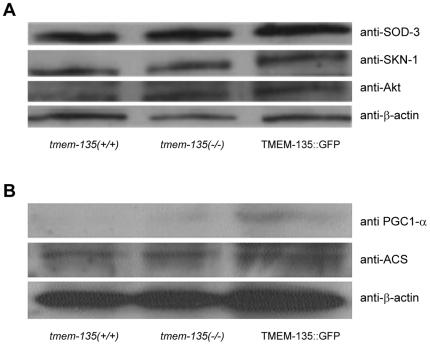
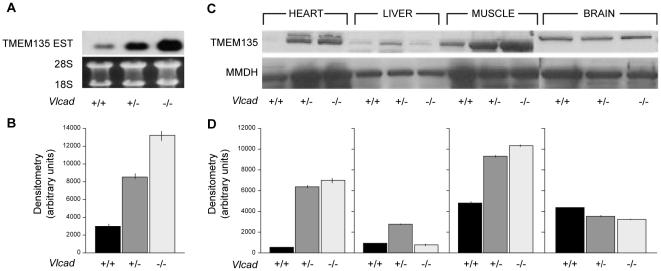
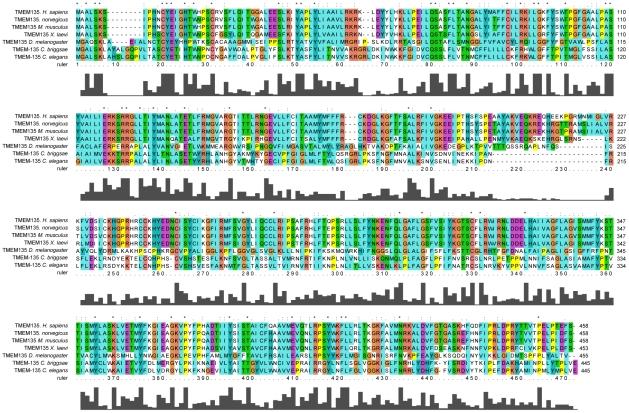
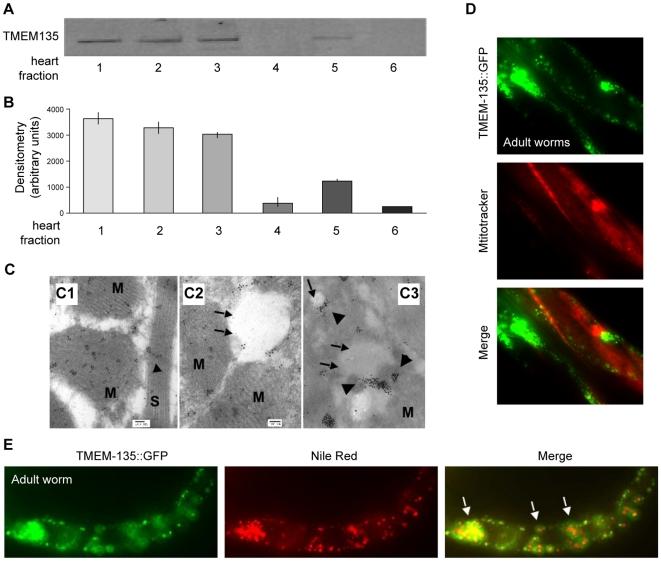
Disorders of mitochondrial fat metabolism lead to sudden death in infants and children. Although survival is possible, the underlying molecular mechanisms which enable this outcome have not yet been clearly identified. Here we describe a conserved genetic network linking disorders of mitochondrial fat metabolism in mice to mechanisms of fat storage and survival in Caenorhabditis elegans (C. elegans). We have previously documented a mouse model of mitochondrial very-long chain acyl-CoA dehydrogenase (VLCAD) deficiency. We originally reported that the mice survived birth, but, upon exposure to cold and fasting stresses, these mice developed cardiac dysfunction, which greatly reduced survival. We used cDNA microarrays to outline the induction of several markers of lipid metabolism in the heart at birth in surviving mice. We hypothesized that the induction of fat metabolism genes in the heart at birth is part of a regulatory feedback circuit that plays a critical role in survival. The present study uses a dual approach employing both C57BL/6 mice and the nematode, C. elegans, to focus on TMEM135, a conserved protein which we have found to be upregulated 4.3 (±0.14)-fold in VLCAD-deficient mice at birth. Our studies have demonstrated that TMEM135 is highly expressed in mitochondria and in fat-loaded tissues in the mouse. Further, when fasting and cold stresses were introduced to mice, we observed 3.25 (±0.03)- and 8.2 (±0.31)-fold increases in TMEM135 expression in the heart, respectively. Additionally, we found that deletion of the tmem135 orthologue in C. elegans caused a 41.8% (±2.8%) reduction in fat stores, a reduction in mitochondrial action potential and decreased longevity of the worm. In stark contrast, C. elegans transgenic animals overexpressing TMEM-135 exhibited increased longevity upon exposure to cold stress. Based on these results, we propose that TMEM135 integrates biological processes involving fat metabolism and energy expenditure in both the worm (invertebrates) and in mammalian organisms. The data obtained from our experiments suggest that TMEM135 is part of a regulatory circuit that plays a critical role in the survival of VLCAD-deficient mice and perhaps in other mitochondrial genetic defects of fat metabolism as well.
线粒体脂肪代谢紊乱可导致婴儿和儿童猝死。虽然有存活的可能,但导致这种结果的潜在分子机制尚未明确。在这里,我们描述了一个保守的基因网络,将小鼠中线粒体脂肪代谢紊乱与秀丽隐杆线虫(C. elegans)中脂肪储存和存活的机制联系起来。我们之前曾描述过一种线粒体超长链酰基辅酶 A 脱氢酶(VLCAD)缺乏症的小鼠模型。我们最初报道说,这些小鼠能够存活到出生,但在暴露于寒冷和禁食应激下,这些小鼠会出现心脏功能障碍,这大大降低了它们的存活率。我们使用 cDNA 微阵列来概述在存活的小鼠出生时心脏中几种脂质代谢标志物的诱导。我们假设出生时心脏中脂肪代谢基因的诱导是调节反馈回路的一部分,该回路在存活中起着至关重要的作用。本研究采用 C57BL/6 小鼠和线虫 C. elegans 双重方法,重点研究 TMEM135,我们发现 TMEM135 在出生时 VLCAD 缺乏症小鼠中上调了 4.3(±0.14)倍。我们的研究表明,TMEM135 在小鼠的线粒体和脂肪负荷组织中高度表达。此外,当对小鼠进行禁食和寒冷应激时,我们分别观察到心脏中 TMEM135 的表达增加了 3.25(±0.03)倍和 8.2(±0.31)倍。此外,我们发现 C. elegans 中 tmem135 同源物的缺失导致脂肪储存减少 41.8%(±2.8%),线粒体动作电位减少,线虫寿命缩短。相比之下,过度表达 TMEM-135 的 C. elegans 转基因动物在暴露于寒冷应激时表现出寿命延长。基于这些结果,我们提出 TMEM135 整合了涉及脂肪代谢和能量消耗的生物学过程,既存在于线虫(无脊椎动物)中,也存在于哺乳动物中。我们的实验结果表明,TMEM135 是一个调节回路的一部分,该回路在 VLCAD 缺乏症小鼠的存活以及其他可能的线粒体脂肪代谢遗传缺陷中起着关键作用。



 Zotero 插件