
噬菌体 φMR299-2 和 φNH-4 可以消除肺部的铜绿假单胞菌和囊性纤维化肺气道细胞中的铜绿假单胞菌。
Bacteriophages φMR299-2 and φNH-4 can eliminate Pseudomonas aeruginosa in the murine lung and on cystic fibrosis lung airway cells.
机构信息
TEAGASC Food Research Centre, Moorepark, Fermoy, Co. Cork, Ireland.
出版信息
mBio. 2012 Mar 6;3(2):e00029-12. doi: 10.1128/mBio.00029-12. Print 2012.
UNLABELLED
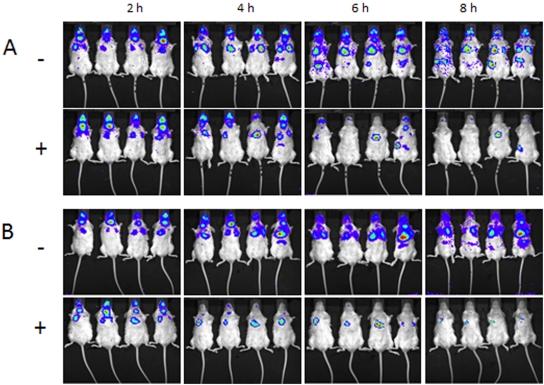
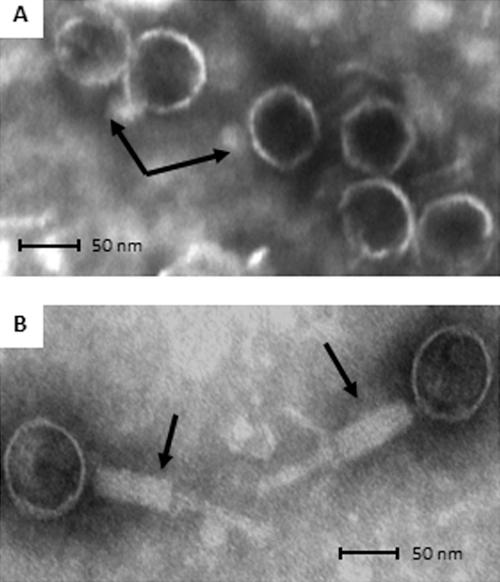
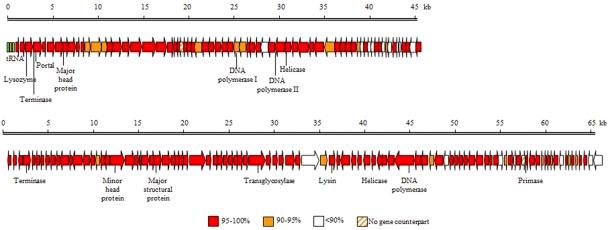
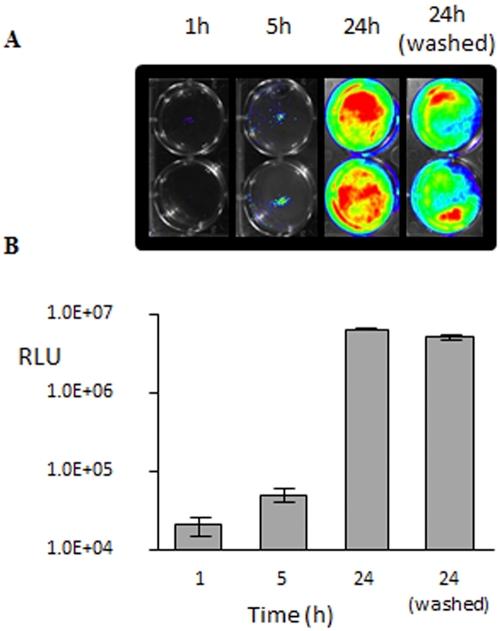
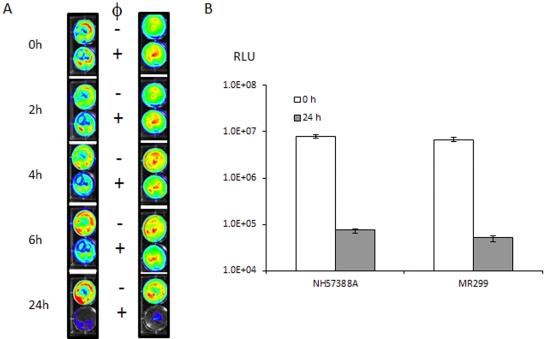
Pseudomonas aeruginosa is a common cause of infection in the lungs of patients with cystic fibrosis (CF). In addition, biofilm formation and antibiotic resistance of Pseudomonas are major problems that can complicate antibiotic therapy. We evaluated the efficacy of using bacteriophages to kill the pathogen in both biofilms and in the murine lung. We isolated and characterized two phages from a local wastewater treatment plant, a myovirus (φNH-4) and a podovirus (φMR299-2). Both phages were active against clinical isolates of P. aeruginosa. Together, the two phages killed all 9 clinical isolate strains tested, including both mucoid and nonmucoid strains. An equal mixture of the two phages was effective in killing P. aeruginosa NH57388A (mucoid) and P. aeruginosa MR299 (nonmucoid) strains when growing as a biofilm on a cystic fibrosis bronchial epithelial CFBE41o- cell line. Phage titers increased almost 100-fold over a 24-h period, confirming replication of the phage. Furthermore, the phage mix was also effective in killing the pathogen in murine lungs containing 1 × 10(7) to 2 × 10(7) P. aeruginosa. Pseudomonas was effectively cleared (reduced by a magnitude of at least 3 to 4 log units) from murine lungs in 6 h. Our study demonstrates the efficacy of these two phages in killing clinical Pseudomonas isolates in the murine lung or as a biofilm on a pulmonary cell line and supports the growing interest in using phage therapy for the control and treatment of multidrug-resistant Pseudomonas lung infections in CF patients.
IMPORTANCE
Given the rise in antibiotic resistance, nonantibiotic therapies are required for the treatment of infection. This is particularly true for the treatment of Pseudomonas infection in patients with cystic fibrosis. We have identified two bacterial viruses (bacteriophages) that can kill Pseudomonas growing on human lung cells and in an animal model of lung infection. The use of bacteriophages is particularly appropriate because the killing agent can replicate on the target cell, generating fresh copies of the bacteriophage. Thus, in the presence of a target, the killing agent multiplies. By using two bacteriophages we can reduce the risk of resistant colonies developing at the site of infection. Bacteriophage therapy is an exciting field, and this study represents an important demonstration of efficacy in validated infection models.
未加说明
铜绿假单胞菌是囊性纤维化(CF)患者肺部感染的常见原因。此外,铜绿假单胞菌生物膜的形成和抗生素耐药性是使抗生素治疗复杂化的主要问题。我们评估了使用噬菌体在生物膜和小鼠肺部中杀死病原体的功效。我们从当地的污水处理厂中分离并鉴定了两种噬菌体,一种是肌病毒(φNH-4),另一种是短尾噬菌体(φMR299-2)。两种噬菌体均对临床分离的铜绿假单胞菌有效。两种噬菌体的混合物可有效杀死所有 9 株临床分离株,包括粘液型和非粘液型菌株。当在囊性纤维化支气管上皮 CFBE41o-细胞系上作为生物膜生长时,两种噬菌体的混合物可有效杀死粘液型铜绿假单胞菌 NH57388A 和非粘液型铜绿假单胞菌 MR299 菌株。在 24 小时内,噬菌体滴度增加了近 100 倍,证实了噬菌体的复制。此外,噬菌体混合物还可有效杀死含有 1×10(7)至 2×10(7)铜绿假单胞菌的小鼠肺部中的病原体。在 6 小时内,从小鼠肺部中有效清除(降低至少 3 到 4 个对数单位)了铜绿假单胞菌。我们的研究表明,这两种噬菌体在杀死小鼠肺部中的临床铜绿假单胞菌分离株或在肺细胞系上形成生物膜方面均有效,并支持越来越多地使用噬菌体疗法来控制和治疗 CF 患者中对多种药物具有抗药性的铜绿假单胞菌肺部感染。
重要性
鉴于抗生素耐药性的增加,需要非抗生素疗法来治疗感染。对于囊性纤维化患者的铜绿假单胞菌感染的治疗尤其如此。我们已经鉴定出两种可以杀死在人肺细胞上和动物肺部感染模型中生长的铜绿假单胞菌的细菌病毒(噬菌体)。噬菌体的使用特别合适,因为杀伤剂可以在靶细胞上复制,生成噬菌体的新鲜副本。因此,在存在靶标时,杀伤剂会繁殖。通过使用两种噬菌体,我们可以降低感染部位产生耐药菌落的风险。噬菌体治疗是一个令人兴奋的领域,这项研究代表了在经过验证的感染模型中功效的重要证明。

 Zotero 插件