
行为安排的美学
The aesthetics of behavioral arrangements.
作者信息
Hineline Philip N
出版信息
Behav Anal. 2005;28(1):15-28. doi: 10.1007/BF03392101.
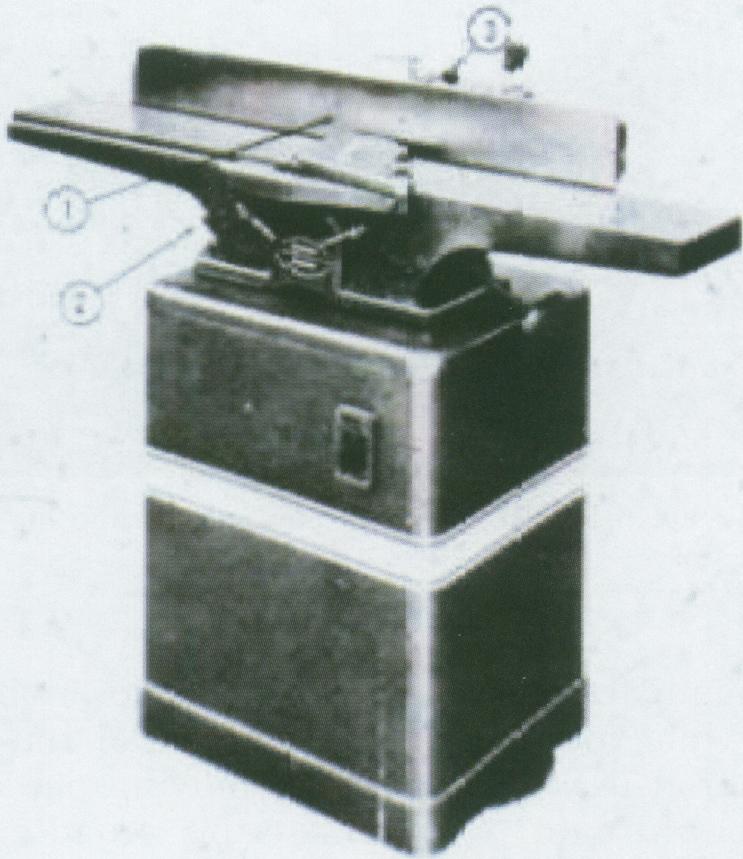
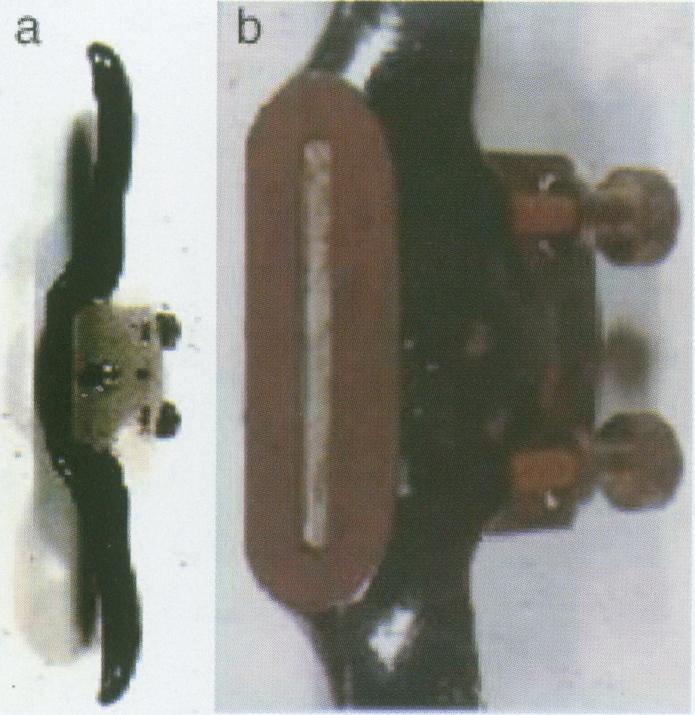
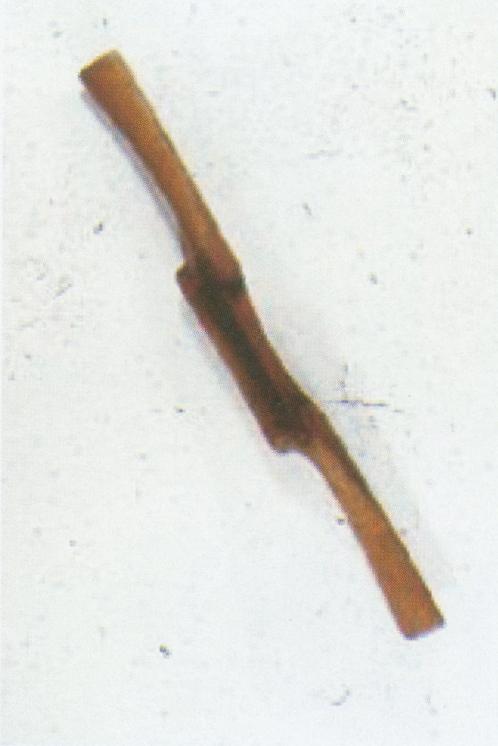
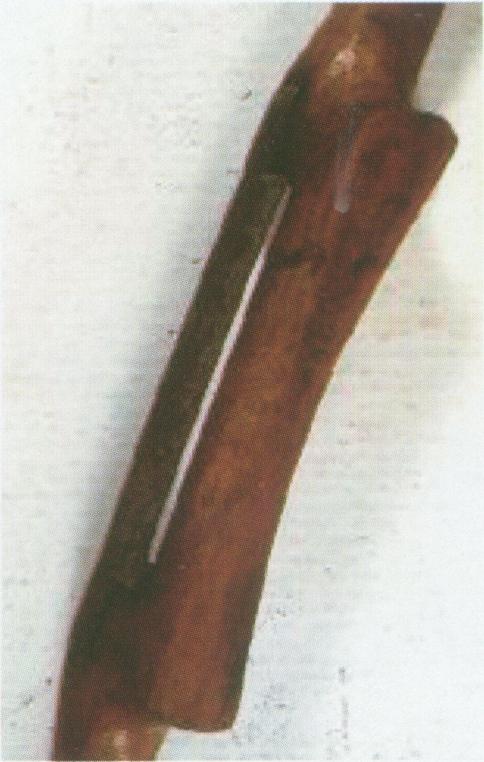
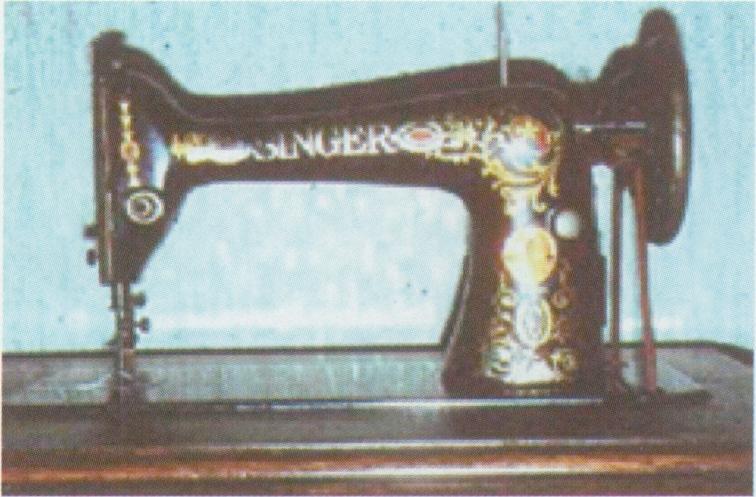
With their origins in scientific validation, behavior-analytic applications have understandably been developed with an engineering rather than a crafting orientation. Nevertheless, traditions of craftsmanship can be instructive for devising aesthetically pleasing arrangements-arrangements that people will try, and having tried, will choose to continue living with. Pye (1968) provides suggestions for this, particularly through his distinctions between workmanship of risk versus workmanship of certainty, and the mating of functional precision with effective or otherwise pleasing variability. Close examination of woodworking tools as well as antique machines offers instructive analogues that show, for instance, that misplaced precision can be dysfunctional when precision is not essential to a design. Variability should be allowed or even encouraged. Thus, in the design of behavioral contingencies as well as of practical or purely aesthetic objects, "precise versus variable" is not necessarily a distinction between good and bad. More generally, behavior analysts would do well to look beyond their technical experience for ways to improve the aesthetics of contingency design while continuing to understand the resulting innovations in relation to behavior-analytic principles.
行为分析应用起源于科学验证,因此以工程而非工艺的导向发展是可以理解的。然而,工艺传统对于设计出美观的布置具有指导意义——这些布置人们会去尝试,并且尝试过后会选择继续采用。派伊(1968)为此提供了建议,特别是通过他对冒险工艺与确定性工艺的区分,以及功能精度与有效或其他令人愉悦的变化性的匹配。仔细研究木工工具以及古董机器能提供具有启发性的类比,例如表明,当精度对设计并非至关重要时,错误放置的精度可能会导致功能失调。应该允许甚至鼓励变化性。因此,在行为偶联的设计以及实用或纯粹美学对象的设计中,“精确与可变”不一定是好坏之分。更一般地说,行为分析师最好超越他们的技术经验,寻找改善偶联设计美学的方法,同时继续根据行为分析原则理解由此产生的创新。




 Zotero 插件