
线粒体裂变诱导癌症相关肌成纤维细胞中的糖酵解重编程,驱动基质乳酸生成和肿瘤早期生长。
Mitochondrial fission induces glycolytic reprogramming in cancer-associated myofibroblasts, driving stromal lactate production, and early tumor growth.
作者信息
Guido Carmela, Whitaker-Menezes Diana, Lin Zhao, Pestell Richard G, Howell Anthony, Zimmers Teresa A, Casimiro Mathew C, Aquila Saveria, Ando' Sebastiano, Martinez-Outschoorn Ubaldo E, Sotgia Federica, Lisanti Michael P
机构信息
The Jefferson Stem Cell Biology and Regenerative Medicine Center, Kimmel Cancer Center, Thomas Jefferson University, Philadelphia, PA, USA.
出版信息
Oncotarget. 2012 Aug;3(8):798-810. doi: 10.18632/oncotarget.574.
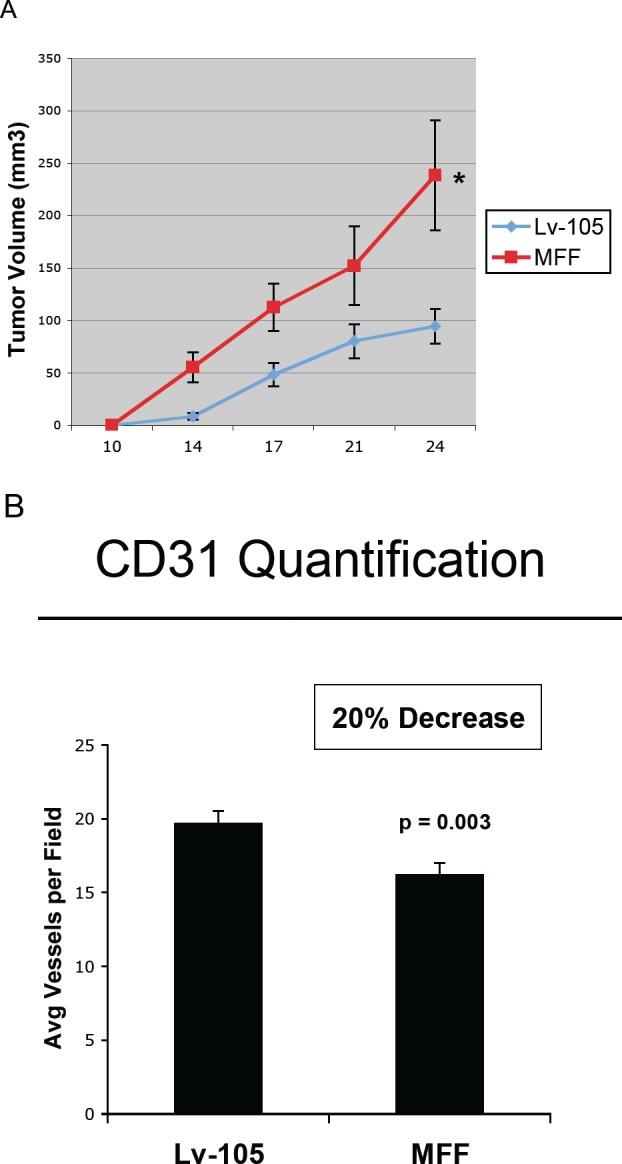
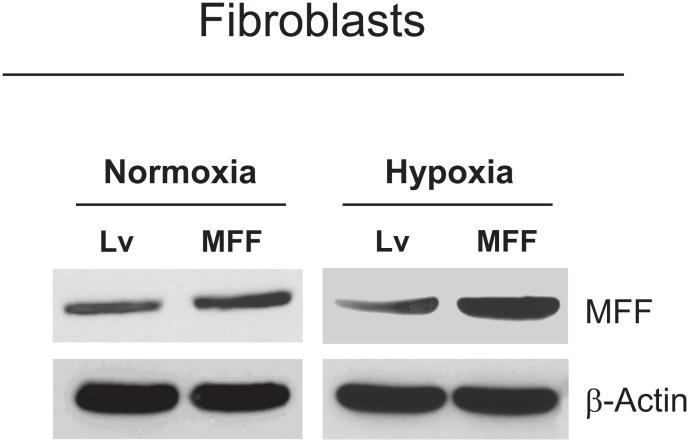
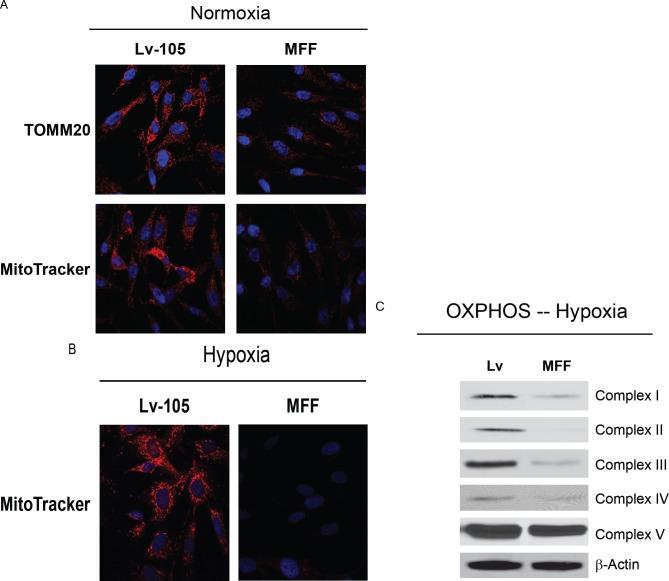
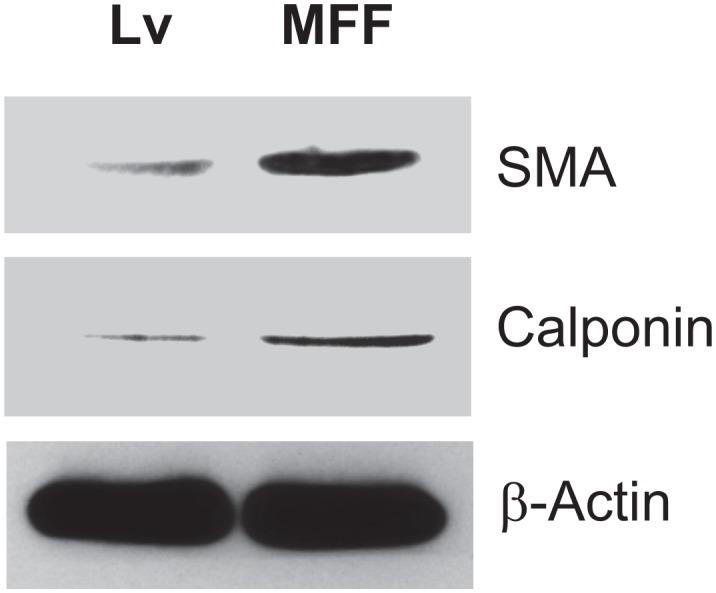
Recent studies have suggested that cancer cells behave as metabolic parasites, by inducing oxidative stress in adjacent normal fibroblasts. More specifically, oncogenic mutations in cancer cells lead to ROS production and the "secretion" of hydrogen peroxide species. Oxidative stress in stromal fibroblasts then induces their metabolic conversion into cancer-associated fibroblasts. Such oxidative stress drives the onset of autophagy, mitophagy, and aerobic glycolysis in fibroblasts, resulting in the local production of high-energy mitochondrial fuels (such as L-lactate, ketone bodies, and glutamine). These recycled nutrients are then transferred to cancer cells, where they are efficiently burned via oxidative mitochondrial metabolism (OXPHOS). We have termed this new energy-transfer mechanism "Two-Compartment Tumor Metabolism", to reflect that the production and consumption of nutrients (L-lactate and other catabolites) is highly compartmentalized. Thus, high-energy onco-catabolites are produced by the tumor stroma. Here, we used a genetic approach to stringently test this energy-transfer hypothesis. First, we generated hTERT-immortalized fibroblasts which were genetically re-programmed towards catabolic metabolism. Metabolic re-programming towards glycolytic metabolism was achieved by the recombinant over-expression of MFF (mitochondrial fission factor). MFF over-expression results in extensive mitochondrial fragmentation, driving mitochondrial dysfunction. Our results directly show that MFFfibroblasts undergo oxidative stress, with increased ROS production, and the onset of autophagy and mitophagy, both catabolic processes. Mechanistically, oxidative stress induces autophagy via NF-kB activation, also providing a link with inflammation. As a consequence MFF-fibroblasts showed intracellular ATP depletion and the extracellular secretion of L-lactate, a critical onco-catabolite. MFF-fibroblasts also showed signs of myofibroblast differentiation, with the expression of SMA and calponin. Importantly, MFF-fibroblasts signficantly promoted early tumor growth (up to 6.5-fold), despite a 20% overall reduction in angiogenesis. Thus, catabolic metabolism in cancer-associated fibroblasts may be a critical event during tumor intiation, allowing accelerated tumor growth, especially prior to the onset of neoangiogenesis.
最近的研究表明,癌细胞通过在相邻的正常成纤维细胞中诱导氧化应激,表现为代谢寄生虫。更具体地说,癌细胞中的致癌突变会导致活性氧(ROS)的产生以及过氧化氢类物质的“分泌”。基质成纤维细胞中的氧化应激随后诱导它们代谢转化为癌症相关成纤维细胞。这种氧化应激驱动成纤维细胞中自噬、线粒体自噬和有氧糖酵解的发生,导致局部产生高能线粒体燃料(如L-乳酸、酮体和谷氨酰胺)。然后这些循环利用的营养物质被转移到癌细胞中,在那里它们通过线粒体氧化代谢(OXPHOS)被有效地燃烧。我们将这种新的能量转移机制称为“双室肿瘤代谢”,以反映营养物质(L-乳酸和其他分解代谢物)的产生和消耗是高度分隔的。因此,高能肿瘤分解代谢物是由肿瘤基质产生的。在这里,我们使用基因方法严格测试了这种能量转移假说。首先,我们生成了经基因重编程以进行分解代谢的hTERT永生化成纤维细胞。通过重组过表达MFF(线粒体分裂因子)实现向糖酵解代谢的代谢重编程。MFF过表达导致广泛的线粒体碎片化,驱动线粒体功能障碍。我们的结果直接表明,MFF成纤维细胞经历氧化应激,ROS产生增加,自噬和线粒体自噬开始,这两个都是分解代谢过程。从机制上讲,氧化应激通过NF-κB激活诱导自噬,这也与炎症建立了联系。因此,MFF成纤维细胞表现出细胞内ATP消耗和关键肿瘤分解代谢物L-乳酸的细胞外分泌。MFF成纤维细胞还表现出肌成纤维细胞分化的迹象,有平滑肌肌动蛋白(SMA)和钙调蛋白的表达。重要的是,尽管血管生成总体减少了20%,但MFF成纤维细胞显著促进了早期肿瘤生长(高达6.5倍)。因此,癌症相关成纤维细胞中的分解代谢可能是肿瘤起始过程中的一个关键事件,允许加速肿瘤生长,特别是在新生血管生成开始之前。


 Zotero 插件