
脑内相互关联的铁和铜稳态机制的损伤导致神经退行性疾病的发病机制。
Impairment of interrelated iron- and copper homeostatic mechanisms in brain contributes to the pathogenesis of neurodegenerative disorders.
机构信息
Section of Neurobiology, Biomedicine Group, Institute of Medicine and Health Technology, Aalborg University Aalborg, Denmark ; Center for Applied Human Molecular Genetics, Department of Kennedy Centre, Copenhagen University Hospital Rigshospitalet, Copenhagen, Denmark.
出版信息
Front Pharmacol. 2012 Sep 25;3:169. doi: 10.3389/fphar.2012.00169. eCollection 2012.
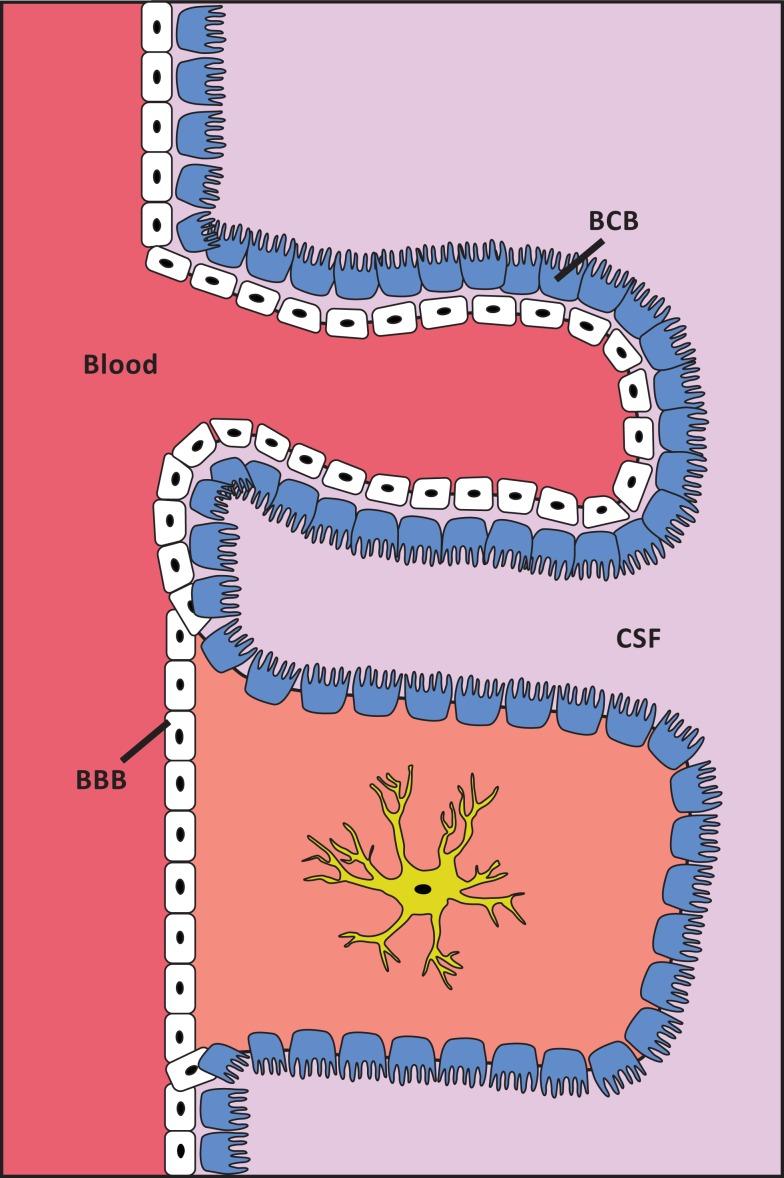
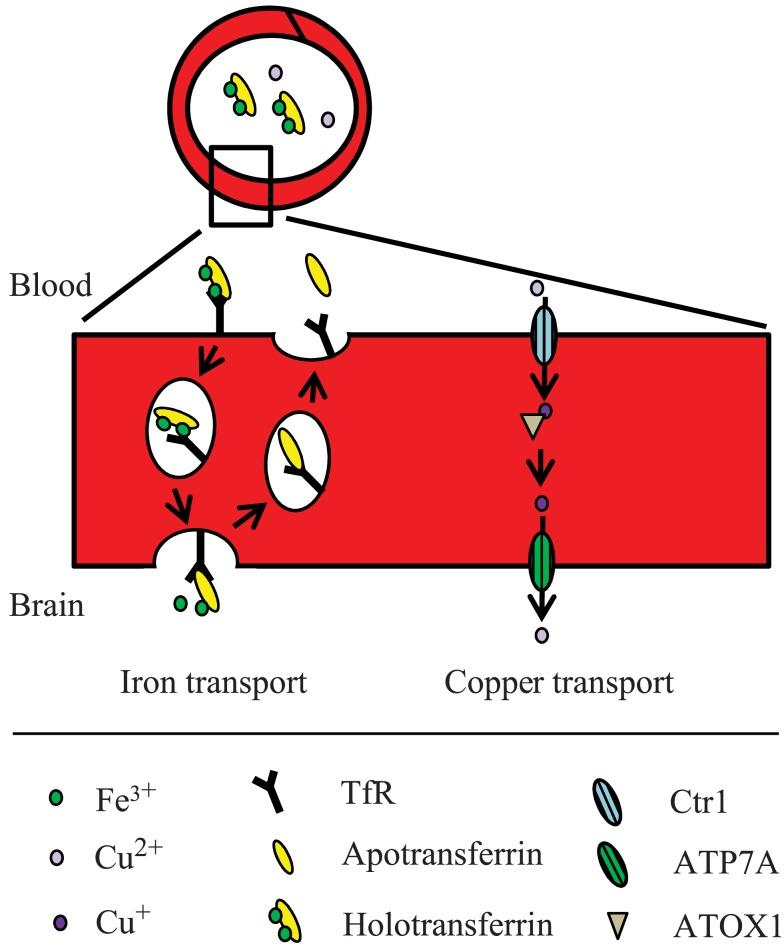
Iron and copper are important co-factors for a number of enzymes in the brain, including enzymes involved in neurotransmitter synthesis and myelin formation. Both shortage and an excess of iron or copper will affect the brain. The transport of iron and copper into the brain from the circulation is strictly regulated, and concordantly protective barriers, i.e., the blood-brain barrier (BBB) and the blood-cerebrospinal fluid (CSF) barrier (BCB) have evolved to separate the brain environment from the circulation. The uptake mechanisms of the two metals interact. Both iron deficiency and overload lead to altered copper homeostasis in the brain. Similarly, changes in dietary copper affect the brain iron homeostasis. Moreover, the uptake routes of iron and copper overlap each other which affect the interplay between the concentrations of the two metals in the brain. The divalent metal transporter-1 (DMT1) is involved in the uptake of both iron and copper. Furthermore, copper is an essential co-factor in numerous proteins that are vital for iron homeostasis and affects the binding of iron-response proteins to iron-response elements in the mRNA of the transferrin receptor, DMT1, and ferroportin, all highly involved in iron transport. Iron and copper are mainly taken up at the BBB, but the BCB also plays a vital role in the homeostasis of the two metals, in terms of sequestering, uptake, and efflux of iron and copper from the brain. Inside the brain, iron and copper are taken up by neurons and glia cells that express various transporters.
铁和铜是大脑中许多酶的重要辅因子,包括参与神经递质合成和髓鞘形成的酶。铁或铜的缺乏和过量都会影响大脑。铁和铜从循环系统进入大脑的运输受到严格调节,相应地,保护性屏障,即血脑屏障(BBB)和血脑脊液(CSF)屏障(BCB)已经进化,将大脑环境与循环系统分开。这两种金属的摄取机制相互作用。铁缺乏和铁过载都会导致大脑中铜稳态的改变。同样,饮食中铜的变化也会影响大脑中铁稳态。此外,铁和铜的摄取途径相互重叠,这会影响两种金属在大脑中的浓度相互作用。二价金属转运蛋白-1(DMT1)参与铁和铜的摄取。此外,铜是许多对铁稳态至关重要的蛋白质的必需辅因子,并影响铁反应蛋白与转铁蛋白受体、DMT1 和亚铁蛋白 mRNA 中铁反应元件的结合,这些都与铁转运密切相关。铁和铜主要在 BBB 摄取,但 BCB 在两种金属的稳态中也起着至关重要的作用,在从大脑中隔离、摄取和排出铁和铜方面。在大脑内,铁和铜被表达各种转运蛋白的神经元和神经胶质细胞摄取。

 Zotero 插件