
人胎盘中血管平滑肌细胞钾离子通道的特性。
Characterisation of K+ channels in human fetoplacental vascular smooth muscle cells.
机构信息
Maternal and Fetal Health Research Centre, Institute of Human Development, University of Manchester, St. Mary's Hospital, Manchester, United Kingdom.
出版信息
PLoS One. 2013;8(2):e57451. doi: 10.1371/journal.pone.0057451. Epub 2013 Feb 21.
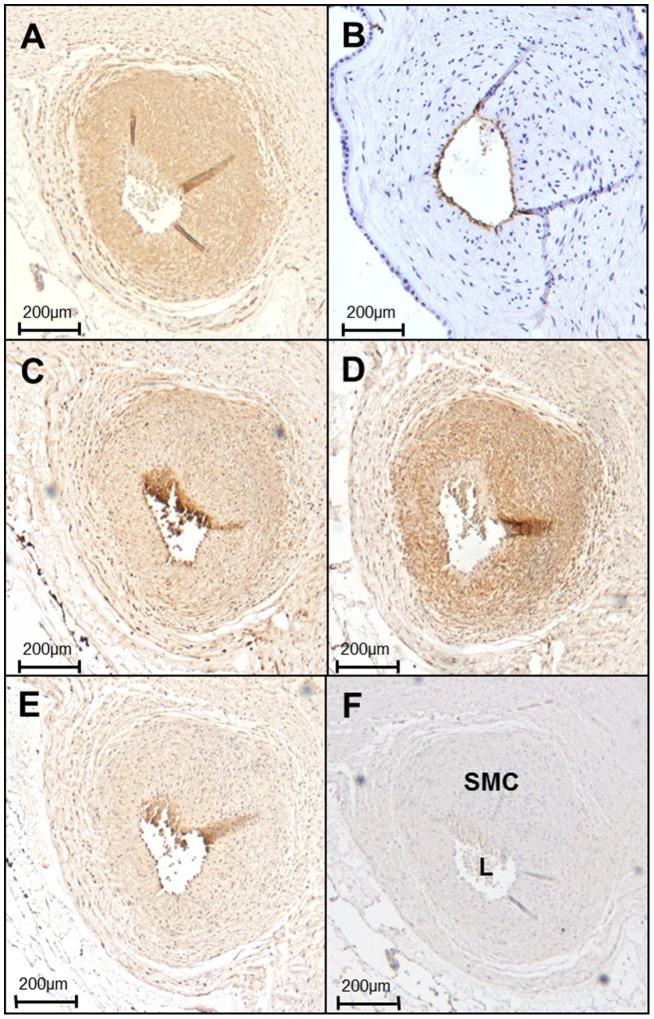
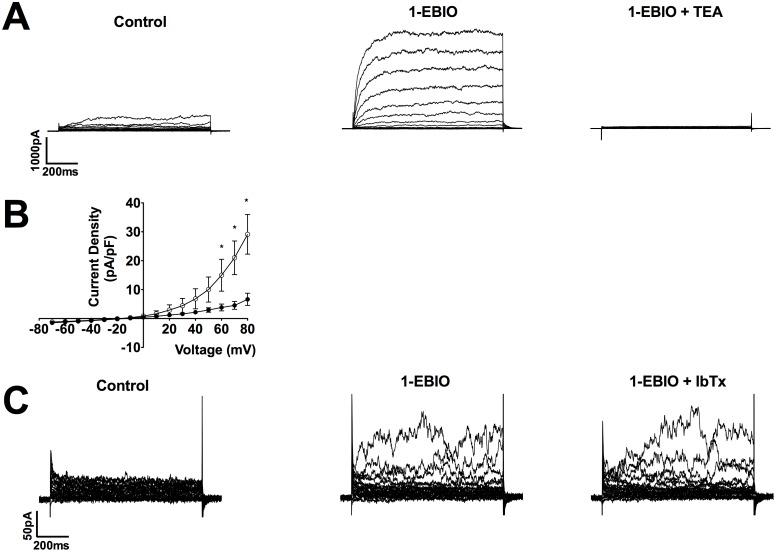
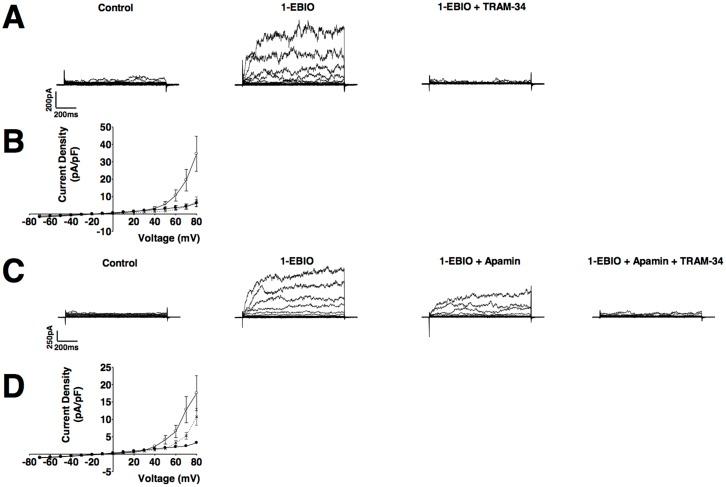
Adequate blood flow through placental chorionic plate resistance arteries (CPAs) is necessary for oxygen and nutrient transfer to the fetus and a successful pregnancy. In non-placental vascular smooth muscle cells (SMCs), K(+) channels regulate contraction, vascular tone and blood flow. Previous studies showed that K(+) channel modulators alter CPA tone, but did not distinguish between effects on K(+) channels in endothelial cells and SMCs. In this study, we developed a preparation of freshly isolated CPASMCs of normal pregnancy and investigated K(+) channel expression and function. CPASMCs were isolated from normal human term placentas using enzymatic digestion. Purity and phenotype was confirmed with immunocytochemistry. Whole-cell patch clamp was used to assess K(+) channel currents, and mRNA and protein expression was determined in intact CPAs and isolated SMCs with RT-PCR and immunostaining. Isolated SMCs expressed α-actin but not CD31, a marker of endothelial cells. CPASMCs and intact CPAs expressed h-caldesmon and non-muscle myosin heavy chain-2; phenotypic markers of contractile and synthetic SMCs respectively. Whole-cell currents were inhibited by 4-AP, TEA, charybdotoxin and iberiotoxin implicating functional K(v) and BK(Ca) channels. 1-EBIO enhanced whole cell currents which were abolished by TRAM-34 and reduced by apamin indicating activation of IK(Ca) and SK(Ca) respectively. BK(Ca), IK(Ca) and SK(Ca)3 mRNA and/or protein were expressed in CPASMCs and intact CPAs. This study provides the first direct evidence for functional K(v), BK(Ca,) IK(Ca) and SK(Ca) channels in CPASMCs. These cells display a mixed phenotype implicating a dual role for CPASMCs in controlling both fetoplacental vascular resistance and vasculogenesis.
足够的血流通过胎盘绒毛板阻力动脉(CPAs)对于氧气和营养物质向胎儿的转移以及成功妊娠是必要的。在非胎盘血管平滑肌细胞(SMCs)中,K+通道调节收缩、血管张力和血流。先前的研究表明,K+通道调节剂改变了 CPA 的张力,但没有区分其对内皮细胞和 SMCs 中 K+通道的影响。在这项研究中,我们制备了正常妊娠的新鲜分离的 CPASMCs 并研究了 K+通道的表达和功能。CPASMCs 是使用酶消化从正常足月胎盘分离出来的。通过免疫细胞化学法确认纯度和表型。使用全细胞膜片钳技术评估 K+通道电流,并通过 RT-PCR 和免疫染色法在完整的 CPAs 和分离的 SMCs 中确定 mRNA 和蛋白表达。分离的 SMCs 表达α-肌动蛋白,但不表达 CD31,这是内皮细胞的标志物。CPASMCs 和完整的 CPAs 表达 h-钙调蛋白和非肌肉肌球蛋白重链-2;分别是收缩型和合成型 SMCs 的表型标志物。全细胞电流被 4-AP、TEA、芋螺毒素和iberiotoxin 抑制,提示功能性 Kv 和 BK(Ca)通道的存在。1-EBIO 增强了全细胞电流,该电流被 TRAM-34 消除,被 apamin 减少,分别提示 IK(Ca)和 SK(Ca)的激活。BK(Ca)、IK(Ca)和 SK(Ca)3 mRNA 和/或蛋白在 CPASMCs 和完整的 CPAs 中表达。这项研究首次直接证明了 CPASMCs 中功能性 Kv、BK(Ca)、IK(Ca)和 SK(Ca)通道的存在。这些细胞表现出混合表型,暗示 CPASMCs 在控制胎-胎盘血管阻力和血管发生方面具有双重作用。




 Zotero 插件