
CD9/CD81 四跨膜蛋白复合物和四跨膜蛋白 CD151 通过重叠但不同的机制调节 α3β1 整合素依赖性肿瘤细胞行为。
The CD9/CD81 tetraspanin complex and tetraspanin CD151 regulate α3β1 integrin-dependent tumor cell behaviors by overlapping but distinct mechanisms.
机构信息
Department of Biology, University of Iowa, Iowa City, Iowa, United States of America.
出版信息
PLoS One. 2013 Apr 17;8(4):e61834. doi: 10.1371/journal.pone.0061834. Print 2013.
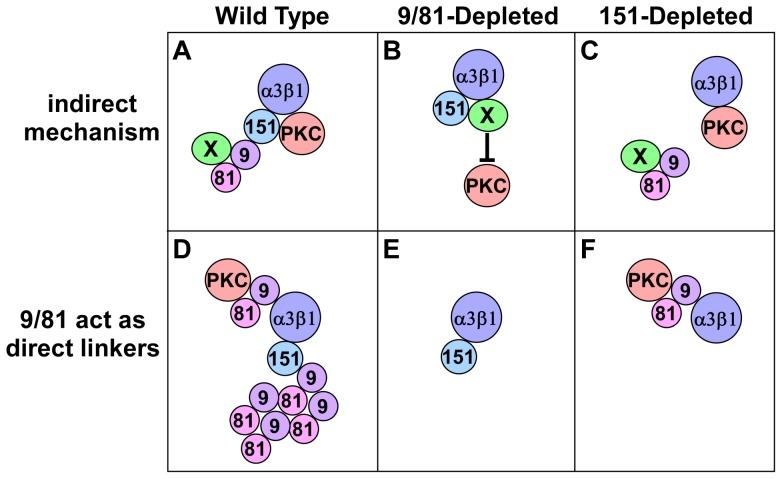
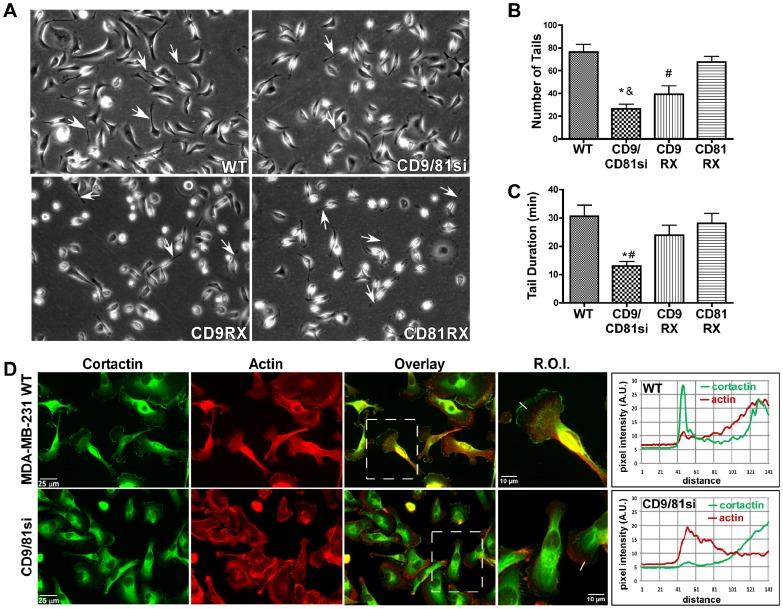
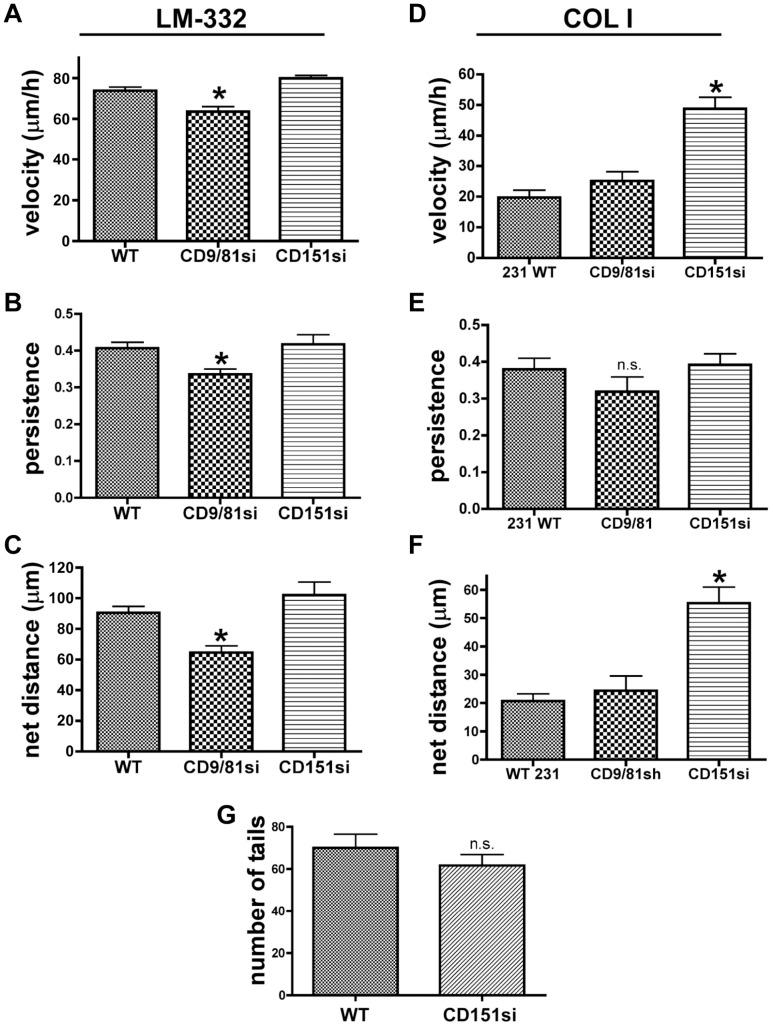
Integrin α3β1 potently promotes cell motility on its ligands, laminin-332 and laminin-511, and this may help to explain why α3β1 has repeatedly been linked to breast carcinoma progression and metastasis. The pro-migratory functions of α3β1 depend strongly on lateral interactions with cell surface tetraspanin proteins. Tetraspanin CD151 interacts directly with the α3 integrin subunit and links α3β1 integrin to other tetraspanins, including CD9 and CD81. Loss of CD151 disrupts α3β1 association with other tetraspanins and impairs α3β1-dependent motility. However, the extent to which tetraspanins other than CD151 are required for specific α3β1 functions is unclear. To begin to clarify which aspects of α3β1 function require which tetraspanins, we created breast carcinoma cells depleted of both CD9 and CD81 by RNA interference. Silencing both of these closely related tetraspanins was required to uncover their contributions to α3β1 function. We then directly compared our CD9/CD81-silenced cells to CD151-silenced cells. Both CD9/CD81-silenced cells and CD151-silenced cells showed delayed α3β1-dependent cell spreading on laminin-332. Surprisingly, however, once fully spread, CD9/CD81-silenced cells, but not CD151-silenced cells, displayed impaired α3β1-dependent directed motility and altered front-rear cell morphology. Also unexpectedly, the CD9/CD81 complex, but not CD151, was required to promote α3β1 association with PKCα in breast carcinoma cells, and a PKC inhibitor mimicked aspects of the CD9/CD81-silenced cell motility defect. Our data reveal overlapping, but surprisingly distinct contributions of specific tetraspanins to α3β1 integrin function. Importantly, some of CD9/CD81's α3β1 regulatory functions may not require CD9/CD81 to be physically linked to α3β1 by CD151.
整合素 α3β1 能有力地促进细胞在其配体层粘连蛋白-332 和层粘连蛋白-511 上的迁移,这可能有助于解释为什么 α3β1 反复与乳腺癌的进展和转移有关。α3β1 的促迁移功能强烈依赖于与细胞表面四跨膜蛋白的侧向相互作用。四跨膜蛋白 CD151 与 α3 整合素亚基直接相互作用,并将 α3β1 整合素与其他四跨膜蛋白(包括 CD9 和 CD81)连接起来。CD151 的缺失破坏了 α3β1 与其他四跨膜蛋白的关联,并损害了 α3β1 依赖的迁移。然而,除 CD151 之外的四跨膜蛋白对于特定的 α3β1 功能的需求程度尚不清楚。为了开始阐明 α3β1 功能的哪些方面需要哪些四跨膜蛋白,我们通过 RNA 干扰使乳腺癌细胞缺失 CD9 和 CD81。沉默这两种密切相关的四跨膜蛋白是揭示它们对 α3β1 功能的贡献所必需的。然后,我们直接将我们的 CD9/CD81 沉默细胞与 CD151 沉默细胞进行比较。CD9/CD81 沉默细胞和 CD151 沉默细胞在层粘连蛋白-332 上的 α3β1 依赖性细胞铺展均延迟。然而,令人惊讶的是,一旦完全铺展,CD9/CD81 沉默细胞,但不是 CD151 沉默细胞,显示出受损的 α3β1 依赖性定向迁移和改变的前后细胞形态。同样出人意料的是,CD9/CD81 复合物,而不是 CD151,是促进乳腺癌细胞中 α3β1 与 PKCα 结合所必需的,PKC 抑制剂模拟了 CD9/CD81 沉默细胞迁移缺陷的某些方面。我们的数据揭示了特定四跨膜蛋白对 α3β1 整合素功能的重叠但令人惊讶的不同贡献。重要的是,CD9/CD81 的一些 α3β1 调节功能可能不需要 CD9/CD81 通过 CD151 与 α3β1 物理连接。



 Zotero 插件