
利用 RNA 相互作用蛋白免疫沉淀技术对翻译抑制和降解的 miR-155 靶基因进行全基因组鉴定。
Genome-wide identification of translationally inhibited and degraded miR-155 targets using RNA-interacting protein-IP.
机构信息
German Cancer Research Center, Division of Molecular Genetics, Heidelberg, Germany.
出版信息
RNA Biol. 2013 Jun;10(6):1018-29. doi: 10.4161/rna.24553. Epub 2013 Apr 15.
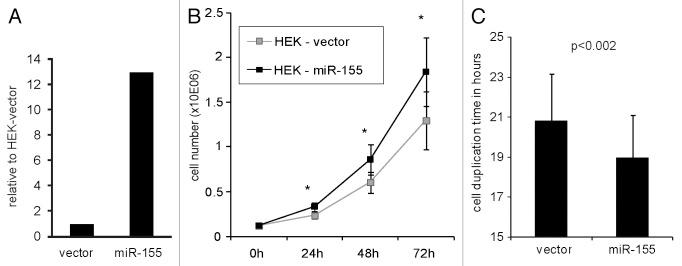
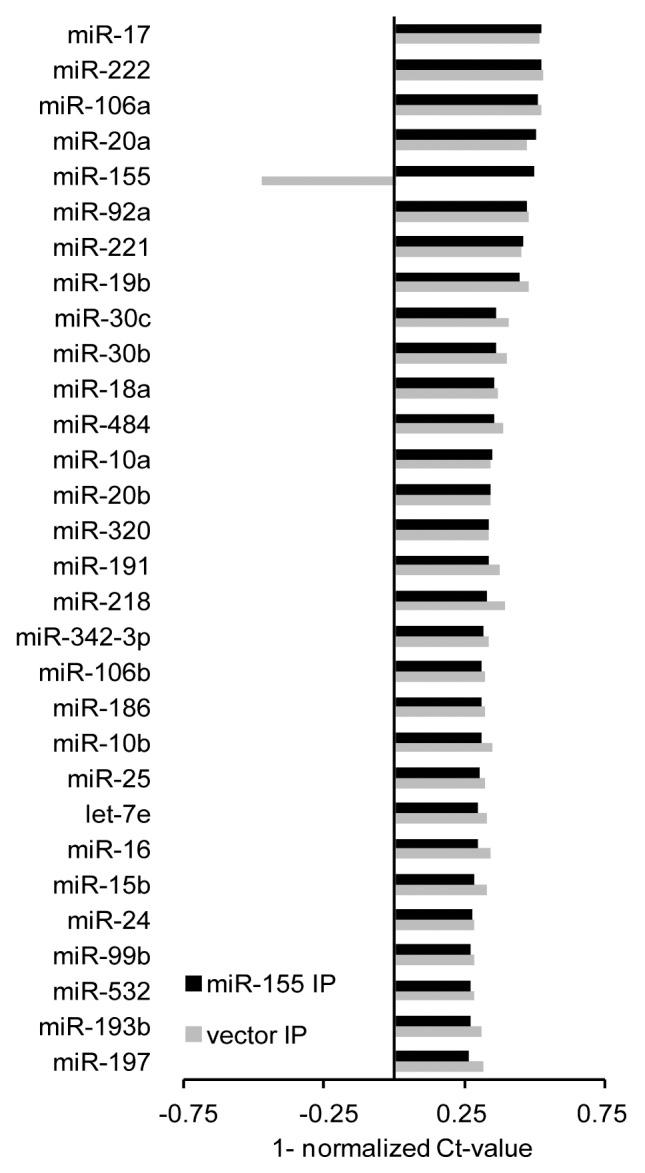
MicroRNAs (miRNAs) are single-stranded, small, non-coding RNAs, which fine-tune protein expression by degrading and/or translationally inhibiting mRNAs. Manipulation of miRNA expression in animal models frequently results in severe phenotypes indicating their relevance in controlling cellular functions, most likely by interacting with multiple targets. To better understand the effect of miRNA activities, genome-wide analysis of their targets are required. MicroRNA profiling as well as transcriptome analysis upon enforced miRNA expression were frequently used to investigate their relevance. However, these approaches often fail to identify relevant miRNAs targets. Therefore, we tested the precision of RNA-interacting protein immunoprecipitation (RIP) using AGO2-specific antibodies, a core component of the "RNA-induced silencing complex" (RISC), followed by RNA sequencing (Seq) in a defined cellular system, the HEK293T cells with stable, ectopic expression of miR-155. Thereby, we identified 100 AGO2-associated mRNAs in miR-155-expressing cells, of which 67 were in silico predicted miR-155 target genes. An integrated analysis of the corresponding expression profiles indicated that these targets were either regulated by mRNA decay or by translational repression. Of the identified miR-155 targets, 17 were related to cell cycle control, suggesting their involvement in the observed increase in cell proliferation of HEK293T cells upon miR-155 expression. Additional, secondary changes within the gene expression profile were detected and might contribute to this phenotype as well. Interestingly, by analyzing RIP-Seq data of HEK-293T cells and two B-cell lines we identified a recurrent disproportional enrichment of several miRNAs, including miR-155 and miRNAs of the miR-17-92 cluster, in the AGO2-associated precipitates, suggesting discrepancies in miRNA expression and activity.
MicroRNAs (miRNAs) 是单链、小的非编码 RNA,通过降解和/或翻译抑制 mRNA 来微调蛋白质表达。在动物模型中操纵 miRNA 的表达通常会导致严重的表型,表明它们在控制细胞功能方面的相关性,这很可能是通过与多个靶标相互作用来实现的。为了更好地理解 miRNA 活性的影响,需要对其靶标的全基因组进行分析。miRNA 谱分析以及强制表达 miRNA 后的转录组分析经常用于研究其相关性。然而,这些方法往往无法识别相关的 miRNA 靶标。因此,我们使用 AGO2 特异性抗体(RNA 诱导沉默复合物(RISC)的核心成分)对其进行了 RNA 相互作用蛋白免疫沉淀 (RIP) 的精确性测试,然后在定义明确的细胞系统(稳定异位表达 miR-155 的 HEK293T 细胞)中进行 RNA 测序 (Seq)。由此,我们在表达 miR-155 的细胞中鉴定出 100 个 AGO2 相关的 mRNA,其中 67 个是基于计算机预测的 miR-155 靶基因。对相应表达谱的综合分析表明,这些靶标要么受 mRNA 降解调控,要么受翻译抑制调控。在鉴定出的 miR-155 靶标中,有 17 个与细胞周期控制有关,这表明它们参与了观察到的 miR-155 表达后 HEK293T 细胞增殖的增加。此外,还检测到基因表达谱中的其他次要变化,这些变化也可能促成这种表型。有趣的是,通过分析 HEK-293T 细胞和两个 B 细胞系的 RIP-Seq 数据,我们在 AGO2 相关沉淀中鉴定出几种 miRNAs(包括 miR-155 和 miR-17-92 簇的 miRNAs)的比例不成比例地富集,这表明 miRNA 表达和活性存在差异。



 Zotero 插件