
弥合差距:科学文献中对澳大利亚原住民预期寿命的不同估计。
Closing the Gaps: competing estimates of Indigenous Australian life expectancy in the scientific literature.
机构信息
Australian Centre for International and Tropical Health, School of Population Health, University of Queensland, Australia.
出版信息
Aust N Z J Public Health. 2013 Aug;37(4):356-64. doi: 10.1111/1753-6405.12084.
OBJECTIVE
Closing the gap in life expectancy between Indigenous and other Australians within a generation is central to national Indigenous reform policy (Closing the Gap). Over time, various methods of estimating Indigenous life expectancy and with that, the life expectancy gap, have been adopted with differing, albeit non-comparable results. We present data on the extent of the gap and elucidate the pattern of use and interpretations of the different estimates of the gap, between 2007 and 2012.
METHODS
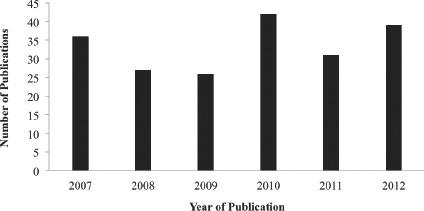
An extensive search was conducted for all peer-reviewed health publications citing estimates of and/or discussing the life expectancy of Indigenous Australians, for the period 2007-2012.
RESULTS
Five predominant patterns of citation of the gap estimates were identified: 20 years, 17 years, 15-20 years, 13 years, and 11.5 years for males and 9.7 years for females. Some authors misinterpret the most recent estimates as reflecting improvement from the 17-year figure, rather than the result of different methods of estimation. Support for the direct methods used to calculate Indigenous life expectancy is indicated.
CONCLUSIONS AND IMPLICATIONS
A specific estimate of the life expectancy gap has not been established among stakeholders in Indigenous health. Agreement on the magnitude of the gap is arguably needed in order to evaluate strategies aimed at improving health outcomes for Indigenous Australians. Moreover, measuring progress towards 'closing the gap' depends on the availability of comparable estimates, using the same techniques of measurement to assess changes over time.
目的
在一代人的时间内缩小原住民和其他澳大利亚人之间预期寿命的差距,这是国家原住民改革政策(Closing the Gap)的核心。随着时间的推移,各种估计原住民预期寿命的方法,以及由此产生的预期寿命差距,已经被采用,尽管结果不同,但不可比。我们提供了关于差距程度的数据,并阐明了在 2007 年至 2012 年期间,不同差距估计值的使用和解释模式。
方法
我们对所有引用了 2007-2012 年期间澳大利亚原住民预期寿命估计值和/或讨论该预期寿命的同行评审健康出版物进行了广泛搜索。
结果
确定了五种主要的差距估计值引用模式:男性为 20 年、17 年、15-20 年、13 年和 11.5 年,女性为 9.7 年。一些作者错误地将最近的估计值解释为反映了从 17 年数字的改善,而不是不同估计方法的结果。这表明支持直接方法来计算原住民预期寿命是合理的。
结论和意义
原住民健康利益相关者之间尚未确定具体的预期寿命差距估计值。对于旨在改善澳大利亚原住民健康结果的策略,对差距的大小达成共识是有必要的。此外,衡量“缩小差距”的进展取决于使用相同的测量技术来评估随时间变化的可比估计值的可用性。

 Zotero 插件