
通过对乳糜泻的全基因组连锁和关联分析发现自身免疫性疾病的可能机制。
A possible mechanism behind autoimmune disorders discovered by genome-wide linkage and association analysis in celiac disease.
机构信息
Department of Mathematical Sciences, Chalmers University of Technology, Gothenburg, Sweden.
出版信息
PLoS One. 2013 Aug 2;8(8):e70174. doi: 10.1371/journal.pone.0070174. Print 2013.
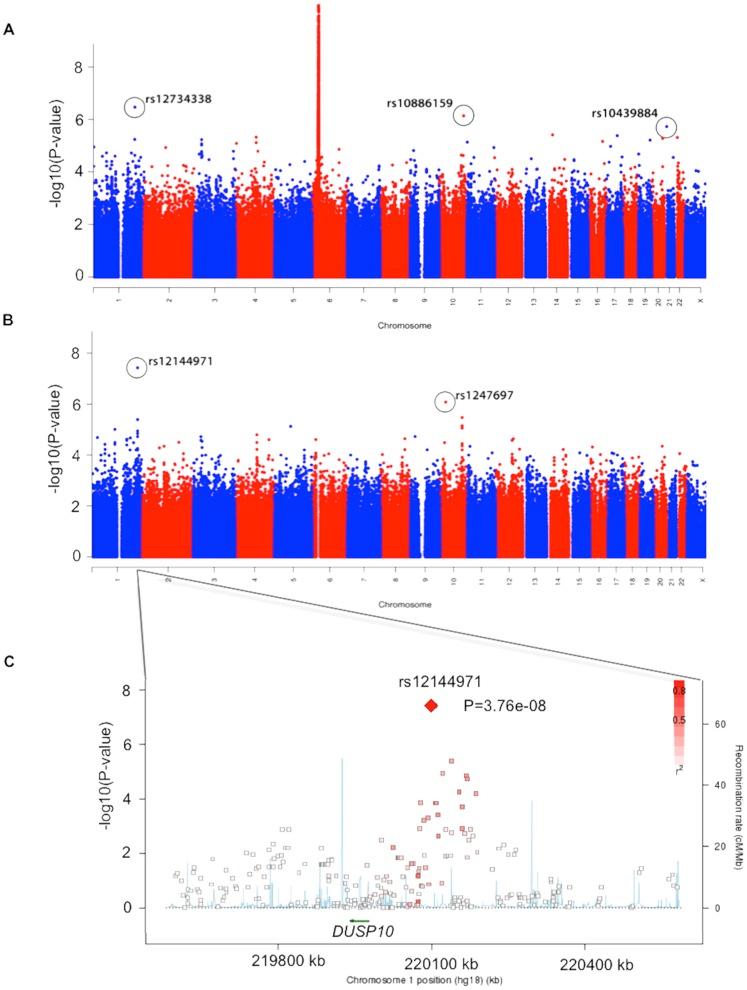
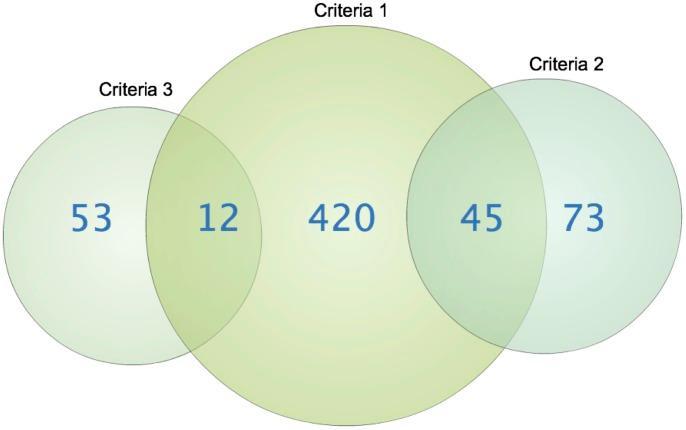
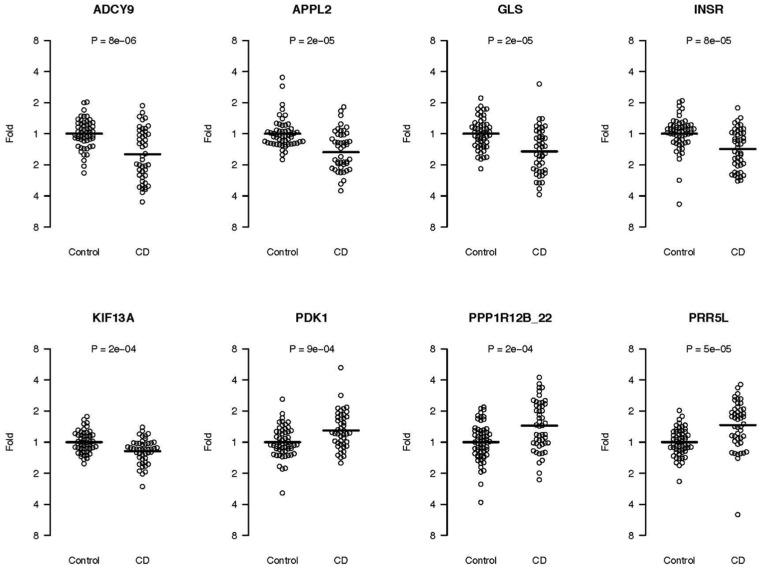
Celiac disease is a common autoimmune disorder characterized by an intestinal inflammation triggered by gluten, a storage protein found in wheat, rye and barley. Similar to other autoimmune diseases such as type 1 diabetes, psoriasis and rheumatoid arthritis, celiac disease is the result of an immune response to self-antigens leading to tissue destruction and production of autoantibodies. Common diseases like celiac disease have a complex pattern of inheritance with inputs from both environmental as well as additive and non-additive genetic factors. In the past few years, Genome Wide Association Studies (GWAS) have been successful in finding genetic risk variants behind many common diseases and traits. To complement and add to the previous findings, we performed a GWAS including 206 trios from 97 nuclear Swedish and Norwegian families affected with celiac disease. By stratifying for HLA-DQ, we identified a new genome-wide significant risk locus covering the DUSP10 gene. To further investigate the associations from the GWAS we performed pathway analyses and two-locus interaction analyses. These analyses showed an over-representation of genes involved in type 2 diabetes and identified a set of candidate mechanisms and genes of which some were selected for mRNA expression analysis using small intestinal biopsies from 98 patients. Several genes were expressed differently in the small intestinal mucosa from patients with celiac autoimmunity compared to intestinal mucosa from control patients. From top-scoring regions we identified susceptibility genes in several categories: 1) polarity and epithelial cell functionality; 2) intestinal smooth muscle; 3) growth and energy homeostasis, including proline and glutamine metabolism; and finally 4) innate and adaptive immune system. These genes and pathways, including specific functions of DUSP10, together reveal a new potential biological mechanism that could influence the genesis of celiac disease, and possibly also other chronic disorders with an inflammatory component.
乳糜泻是一种常见的自身免疫性疾病,其特征是由麸质引起的肠道炎症,麸质是存在于小麦、黑麦和大麦中的一种贮存蛋白。与 1 型糖尿病、银屑病和类风湿关节炎等其他自身免疫性疾病类似,乳糜泻是对自身抗原的免疫反应导致组织破坏和自身抗体产生的结果。像乳糜泻这样的常见疾病具有复杂的遗传模式,既有环境因素的输入,也有累加和非累加遗传因素的输入。在过去的几年中,全基因组关联研究(GWAS)已经成功地找到了许多常见疾病和特征背后的遗传风险变异。为了补充和增加以前的发现,我们进行了一项全基因组关联研究,包括来自 97 个瑞典和挪威核家族的 206 个三核苷酸对,这些家族都患有乳糜泻。通过对 HLA-DQ 进行分层,我们确定了一个新的全基因组显著风险位点,涵盖了 DUSP10 基因。为了进一步研究 GWAS 的关联,我们进行了途径分析和双基因相互作用分析。这些分析显示,涉及 2 型糖尿病的基因过度表达,并确定了一组候选机制和基因,其中一些基因被选择用于使用 98 名患者的小肠活检进行 mRNA 表达分析。与对照患者的肠道黏膜相比,乳糜泻自身免疫患者的小肠黏膜中一些基因的表达存在差异。在得分最高的区域中,我们确定了几个类别的易感基因:1)极性和上皮细胞功能;2)肠道平滑肌;3)生长和能量稳态,包括脯氨酸和谷氨酰胺代谢;最后 4)先天和适应性免疫系统。这些基因和途径,包括 DUSP10 的特定功能,共同揭示了一种新的潜在生物学机制,可能影响乳糜泻的发生,也可能影响其他具有炎症成分的慢性疾病。



 Zotero 插件