
植物细胞中通过选择性自噬降解细胞器或特定细胞器成分。
Degradation of organelles or specific organelle components via selective autophagy in plant cells.
机构信息
Department of Plant Science, the Weizmann Institute of Science, Rehovot 76100, Israel.
出版信息
Int J Mol Sci. 2014 May 5;15(5):7624-38. doi: 10.3390/ijms15057624.
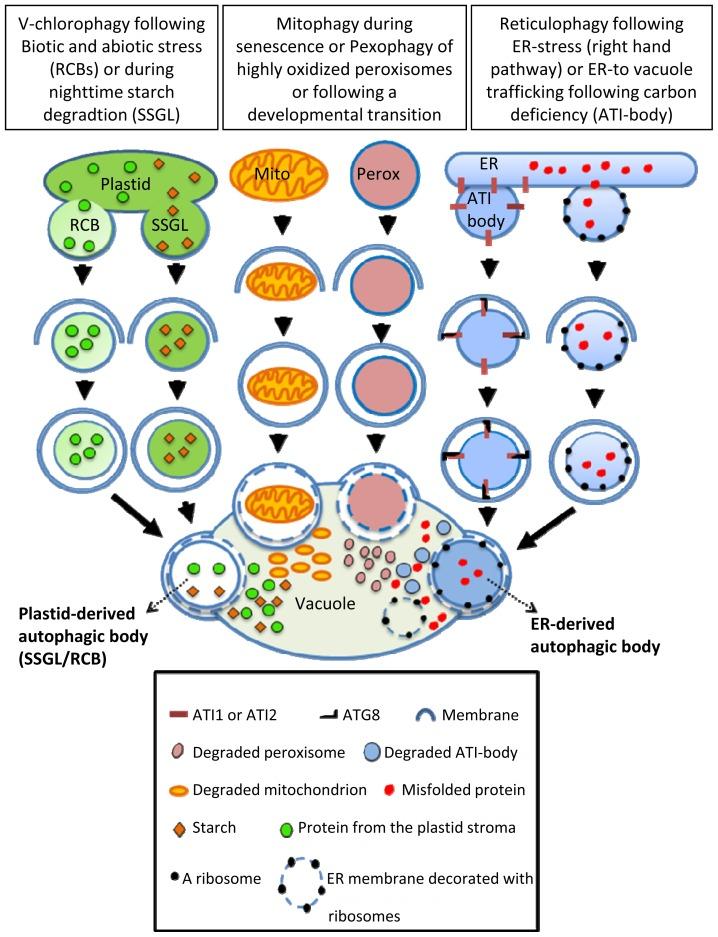
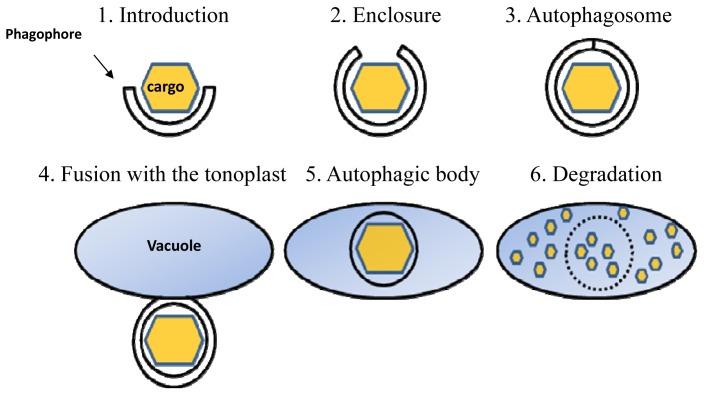
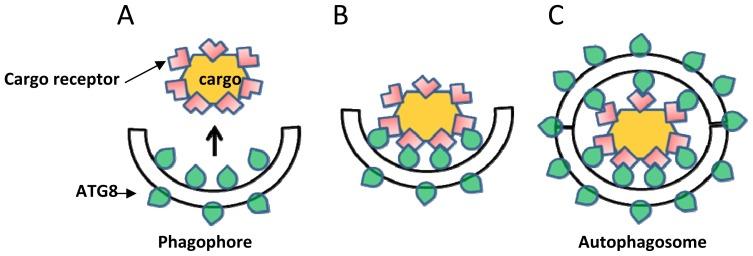
Macroautophagy (hereafter referred to as autophagy) is a cellular mechanism dedicated to the degradation and recycling of unnecessary cytosolic components by their removal to the lytic compartment of the cell (the vacuole in plants). Autophagy is generally induced by stresses causing energy deprivation and its operation occurs by special vesicles, termed autophagosomes. Autophagy also operates in a selective manner, recycling specific components, such as organelles, protein aggregates or even specific proteins, and selective autophagy is implicated in both cellular housekeeping and response to stresses. In plants, selective autophagy has recently been shown to degrade mitochondria, plastids and peroxisomes, or organelle components such as the endoplasmic-reticulum (ER) membrane and chloroplast-derived proteins such as Rubisco. This ability places selective-autophagy as a major factor in cellular steady-state maintenance, both under stress and favorable environmental conditions. Here we review the recent advances documented in plants for this cellular process and further discuss its impact on plant physiology.
自噬作用(以下简称自噬)是一种细胞机制,专门用于通过将细胞溶酶体(植物中的液泡)中的不必要的细胞质成分去除来降解和回收这些成分。自噬通常由导致能量匮乏的应激诱导,其作用通过特殊的囊泡,即自噬体来实现。自噬还以选择性方式运作,回收特定的成分,如细胞器、蛋白质聚集体甚至特定的蛋白质,选择性自噬涉及细胞的日常维护和对应激的反应。在植物中,最近已经表明选择性自噬可以降解线粒体、质体和过氧化物酶体,或细胞器成分,如内质网(ER)膜和叶绿体衍生的蛋白质,如 Rubisco。这种能力使选择性自噬成为细胞稳态维持的一个主要因素,无论是在应激条件下还是在有利的环境条件下。在这里,我们回顾了最近在植物中记录的关于这一细胞过程的进展,并进一步讨论了它对植物生理学的影响。
 Zotero 插件