
褐飞虱毒力的全基因组图谱绘制鉴定出了破坏寄主植物抗性的基因座。
Genome-wide mapping of virulence in brown planthopper identifies loci that break down host plant resistance.
作者信息
Jing Shengli, Zhang Lei, Ma Yinhua, Liu Bingfang, Zhao Yan, Yu Hangjin, Zhou Xi, Qin Rui, Zhu Lili, He Guangcun
机构信息
State Key Laboratory of Hybrid Rice, College of Life Science, Wuhan University, Wuhan, China.
Engineering Research Center of Protection and Utilization for Biological Resources in Minority Regions, College of Life Science, South-Central University for Nationalities, Wuhan, China.
出版信息
PLoS One. 2014 Jun 9;9(6):e98911. doi: 10.1371/journal.pone.0098911. eCollection 2014.
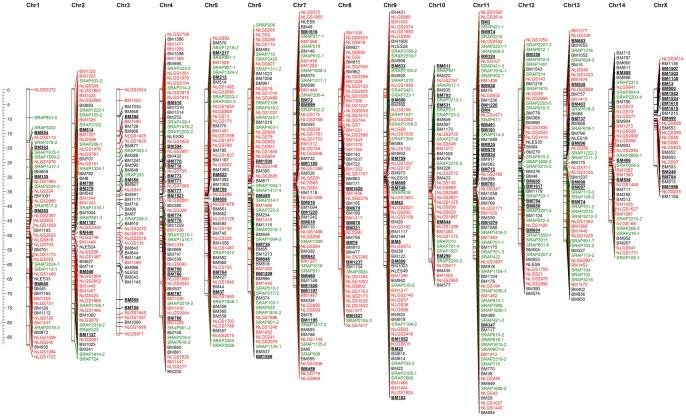
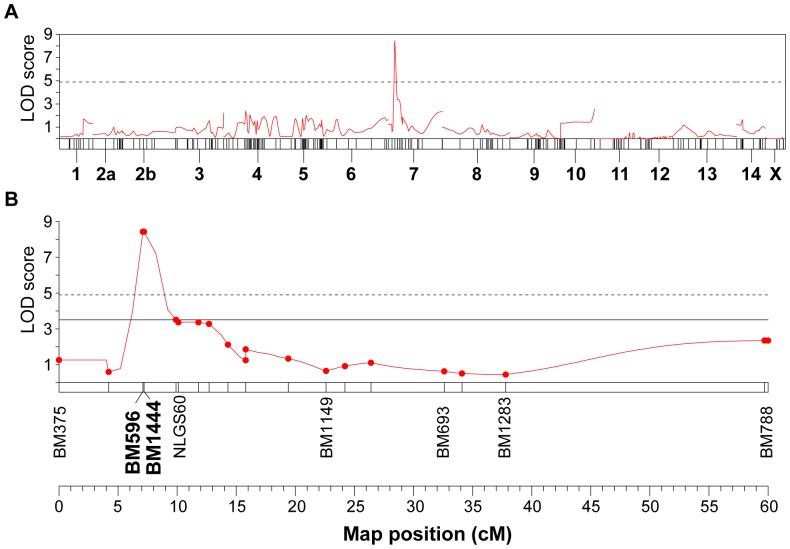
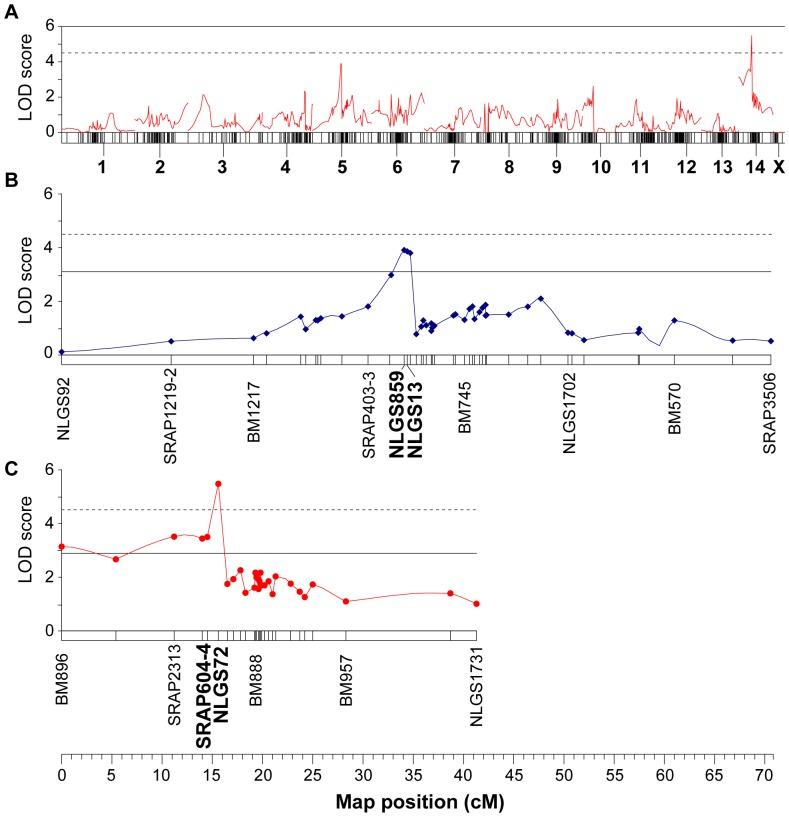
Insects and plants have coexisted for over 350 million years and their interactions have affected ecosystems and agricultural practices worldwide. Variation in herbivorous insects' virulence to circumvent host resistance has been extensively documented. However, despite decades of investigation, the genetic foundations of virulence are currently unknown. The brown planthopper (Nilaparvata lugens) is the most destructive rice (Oryza sativa) pest in the world. The identification of the resistance gene Bph1 and its introduction in commercial rice varieties prompted the emergence of a new virulent brown planthopper biotype that was able to break the resistance conferred by Bph1. In this study, we aimed to construct a high density linkage map for the brown planthopper and identify the loci responsible for its virulence in order to determine their genetic architecture. Based on genotyping data for hundreds of molecular markers in three mapping populations, we constructed the most comprehensive linkage map available for this species, covering 96.6% of its genome. Fifteen chromosomes were anchored with 124 gene-specific markers. Using genome-wide scanning and interval mapping, the Qhp7 locus that governs preference for Bph1 plants was mapped to a 0.1 cM region of chromosome 7. In addition, two major QTLs that govern the rate of insect growth on resistant rice plants were identified on chromosomes 5 (Qgr5) and 14 (Qgr14). This is the first study to successfully locate virulence in the genome of this important agricultural insect by marker-based genetic mapping. Our results show that the virulence which overcomes the resistance conferred by Bph1 is controlled by a few major genes and that the components of virulence originate from independent genetic characters. The isolation of these loci will enable the elucidation of the molecular mechanisms underpinning the rice-brown planthopper interaction and facilitate the development of durable approaches for controlling this most destructive agricultural insect.
昆虫与植物已经共存了超过3.5亿年,它们之间的相互作用影响着全球的生态系统和农业生产实践。食草昆虫为规避宿主抗性而产生的毒力变异已有大量记录。然而,尽管经过了数十年的研究,毒力的遗传基础目前仍不清楚。褐飞虱(Nilaparvata lugens)是世界上对水稻(Oryza sativa)危害最大的害虫。抗性基因Bph1的鉴定及其在商业水稻品种中的引入促使出现了一种新的具有毒力的褐飞虱生物型,这种生物型能够打破Bph1所赋予的抗性。在本研究中,我们旨在构建褐飞虱的高密度连锁图谱,并鉴定其毒力相关位点,以确定其遗传结构。基于三个作图群体中数百个分子标记的基因分型数据,我们构建了该物种目前最全面的连锁图谱,覆盖其基因组的96.6%。15条染色体通过124个基因特异性标记进行了定位。通过全基因组扫描和区间作图,控制对携带Bph1基因水稻植株偏好性的Qhp7位点被定位到第7号染色体上一个0.1 cM的区域。此外,在第5号染色体(Qgr5)和第14号染色体(Qgr14)上鉴定出了两个控制昆虫在抗性水稻植株上生长速率的主要QTL。这是首次通过基于标记的遗传作图成功在这种重要农业昆虫的基因组中定位毒力。我们的结果表明,克服Bph1所赋予抗性的毒力由少数几个主要基因控制,并且毒力成分源自独立的遗传特征。这些位点的分离将有助于阐明水稻 - 褐飞虱相互作用的分子机制,并促进开发持久控制这种最具破坏性农业昆虫的方法。



 Zotero 插件