
关于斑马鱼创伤性脑损伤后关键的小脑伤口愈合相关通路及其相互作用。
On the crucial cerebellar wound healing-related pathways and their cross-talks after traumatic brain injury in Danio rerio.
作者信息
Wu Chia-Chou, Tsai Tsung-Han, Chang Chieh, Lee Tian-Thai, Lin Che, Cheng Irene Han-Juo, Sun Mu-Chien, Chuang Yung-Jen, Chen Bor-Sen
机构信息
Deptartment of Electrical Engineering, National Tsing Hua University, Hsinchu, Taiwan.
Deptartment of Medical Science and Institute of Bioinformatics and Structural Biology, National Tsing Hua University, Hsinchu, Taiwan.
出版信息
PLoS One. 2014 Jun 13;9(6):e97902. doi: 10.1371/journal.pone.0097902. eCollection 2014.
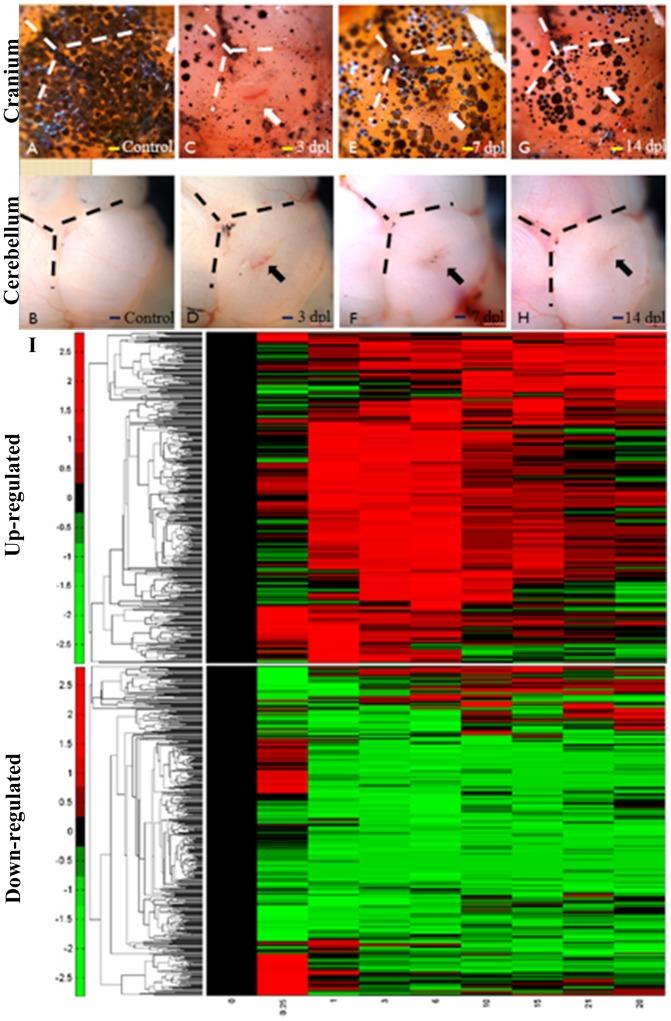
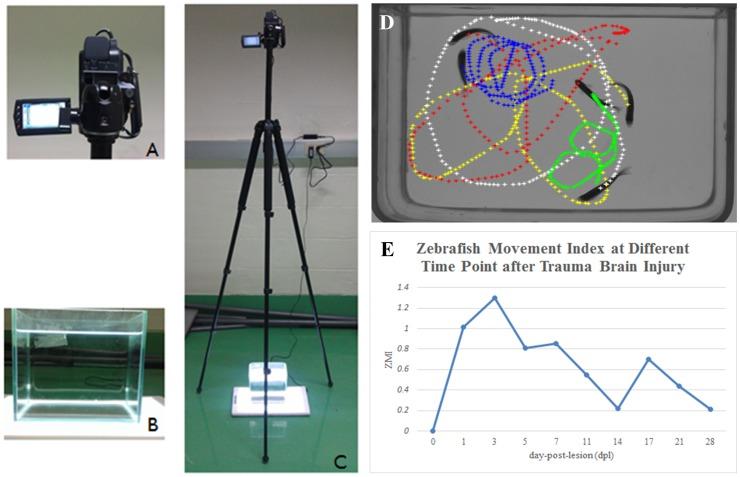
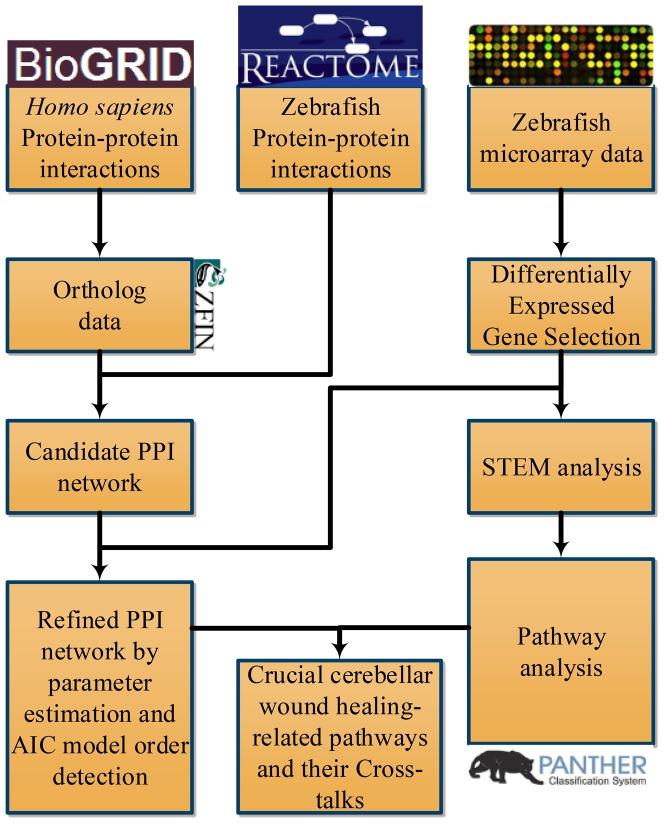
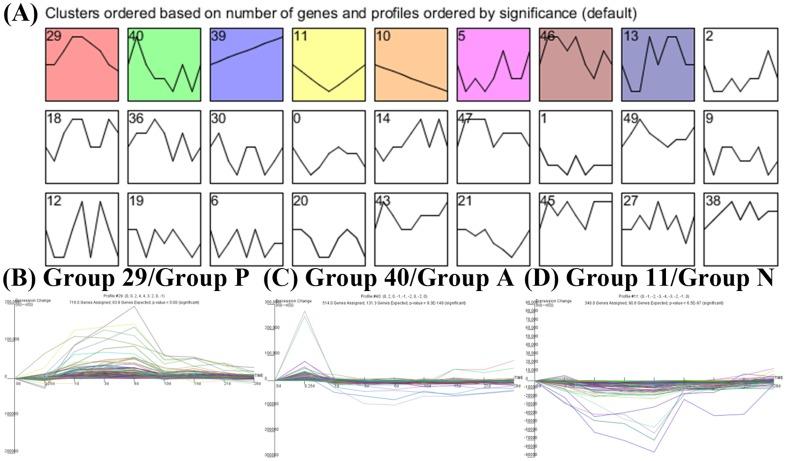
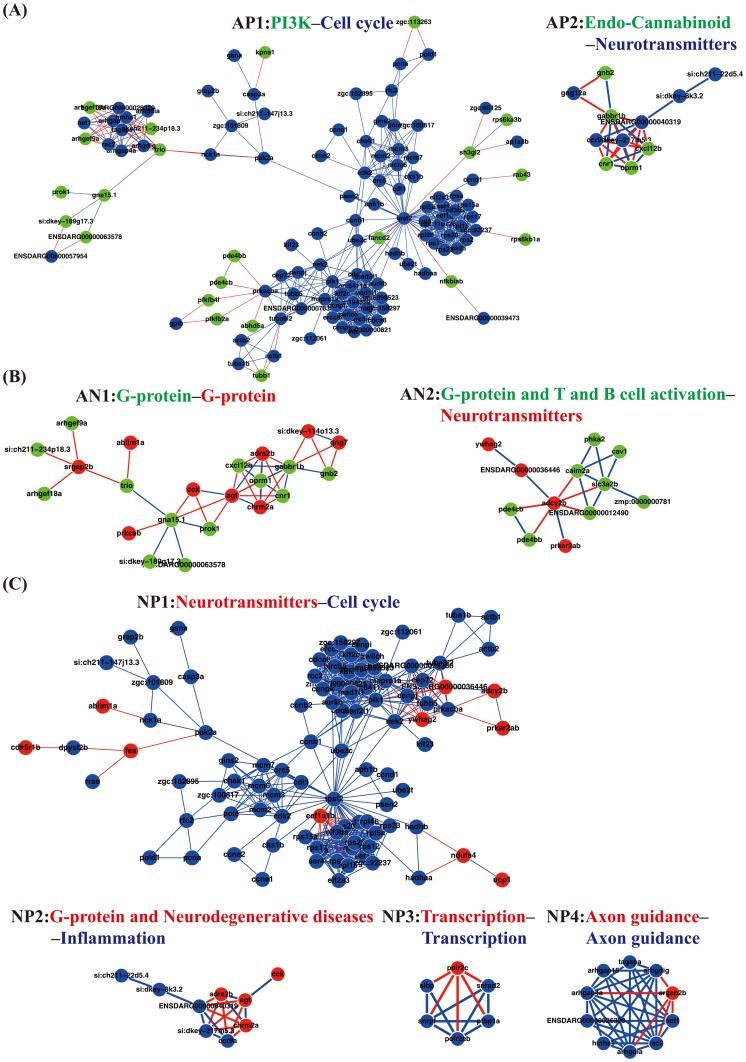
Upon injury, the direct damage and the subsequent secondary injury in the brain often result in chronic neurological disorders. Due to multifactorial nature of secondary injury and subsequent complex cellular responses, much of the underlying mechanisms are unclear. This study used an adult zebrafish cerebellum injury model to investigate the phenotypes and the secondary injury responses for recovery mechanisms of injured brain. Using the time course microarray analysis, a candidate protein-protein interaction (PPI) network was refined as cerebellar wound healing PPI network by dynamic modeling and big data mining. Pathway enrichment and ontological analysis were incorporated into the refined network to highlight the main molecular scheme of cerebellar wound healing. Several significant pathways, including chemokine, Phosphatidylinositide 3-kinases, and axon guidance signaling pathway and their cross-talks through PI3K, PAK2, and PLXNA3 were identified to coordinate for neurogenesis and angiogenesis, which are essential for the restoration of the injured brain. Our finding provides an insight into the molecular restoration mechanisms after traumatic brain injury, and open up new opportunity to devise the treatment for traumatic brain injury in human.
受伤后,大脑的直接损伤及随后的继发性损伤常导致慢性神经功能障碍。由于继发性损伤的多因素性质以及随后复杂的细胞反应,许多潜在机制尚不清楚。本研究使用成年斑马鱼小脑损伤模型来研究损伤大脑恢复机制的表型和继发性损伤反应。通过时间进程微阵列分析,通过动态建模和大数据挖掘,将候选蛋白质-蛋白质相互作用(PPI)网络细化为小脑伤口愈合PPI网络。将通路富集和本体分析纳入细化网络,以突出小脑伤口愈合的主要分子机制。确定了几个重要的通路,包括趋化因子、磷脂酰肌醇3-激酶和轴突导向信号通路,以及它们通过PI3K、PAK2和PLXNA3的相互作用,以协调神经发生和血管生成,这对受损大脑的恢复至关重要。我们的发现为创伤性脑损伤后的分子恢复机制提供了见解,并为设计人类创伤性脑损伤的治疗方法开辟了新机会。



 Zotero 插件