
缓冲定性稳定性解释了转录网络的稳健性和可进化性。
Buffered Qualitative Stability explains the robustness and evolvability of transcriptional networks.
作者信息
Albergante Luca, Blow J Julian, Newman Timothy J
机构信息
College of Life Sciences, University of Dundee, Dundee, United Kingdom
College of Life Sciences, University of Dundee, Dundee, United Kingdom School of Engineering, Physics and Mathematics, University of Dundee, Dundee, United Kingdom
出版信息
Elife. 2014 Sep 2;3:e02863. doi: 10.7554/eLife.02863.
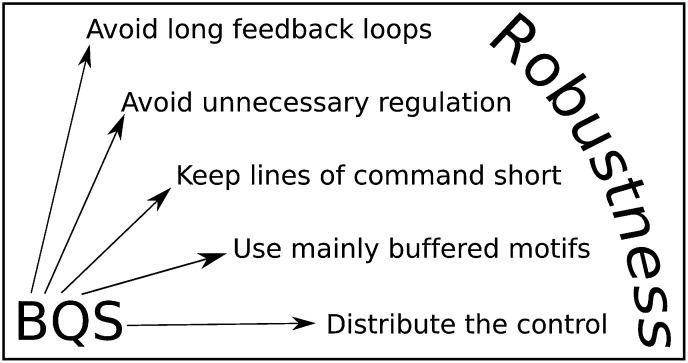
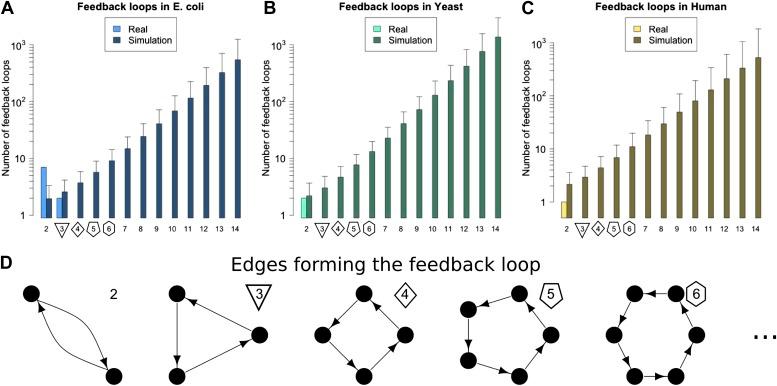
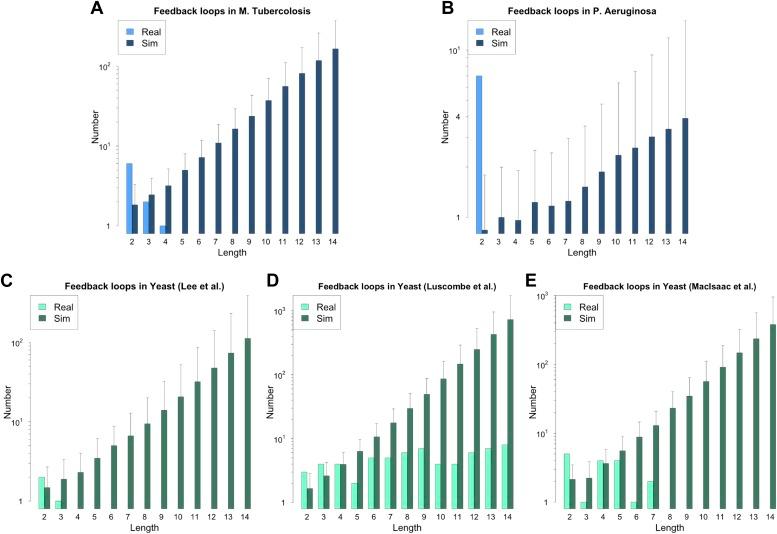
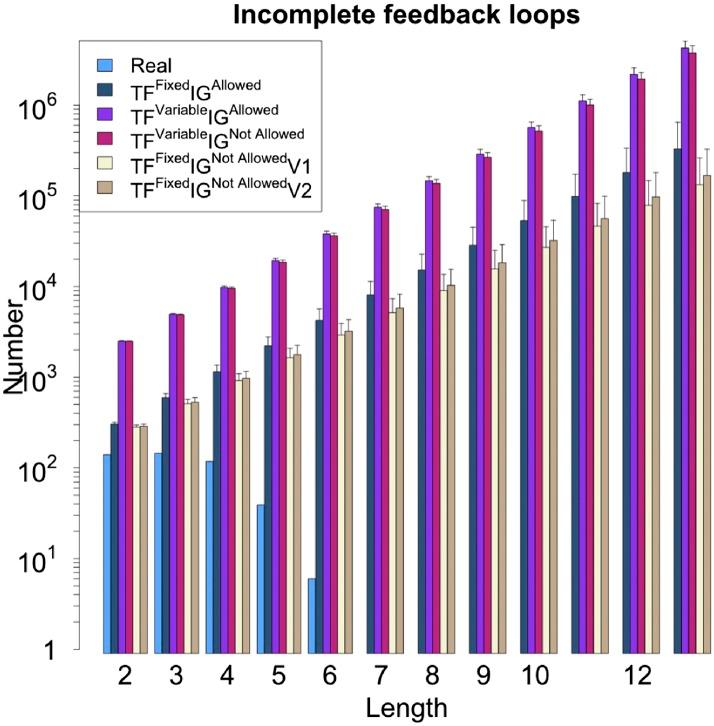
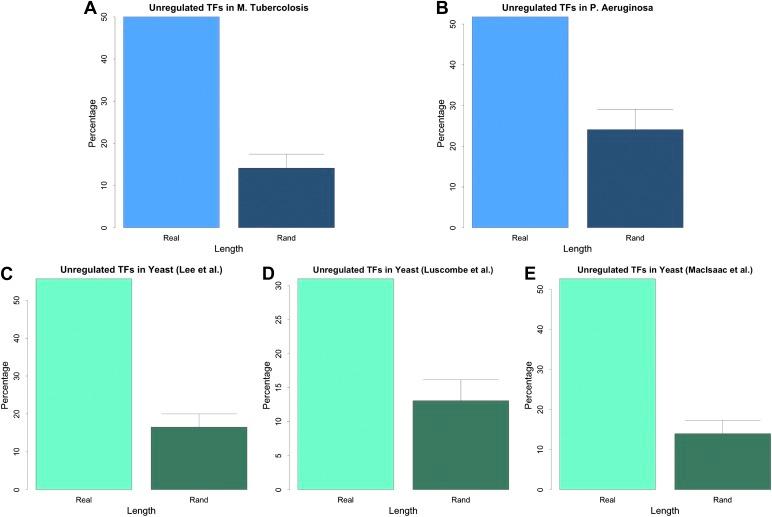
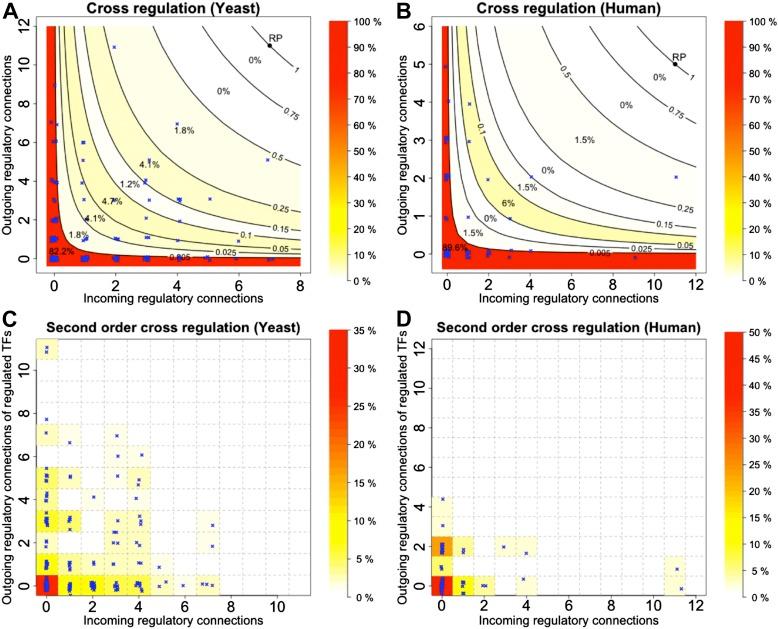
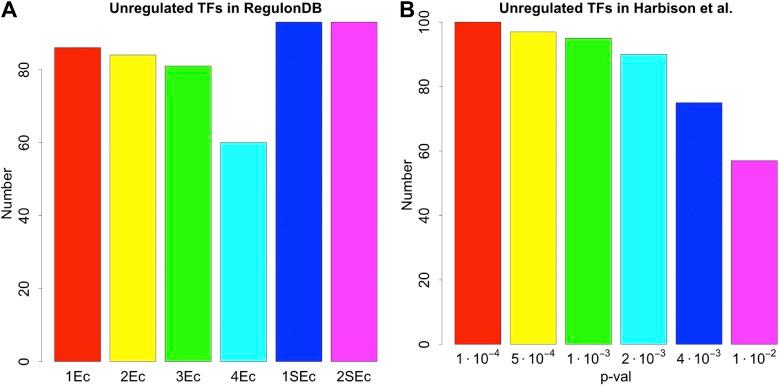
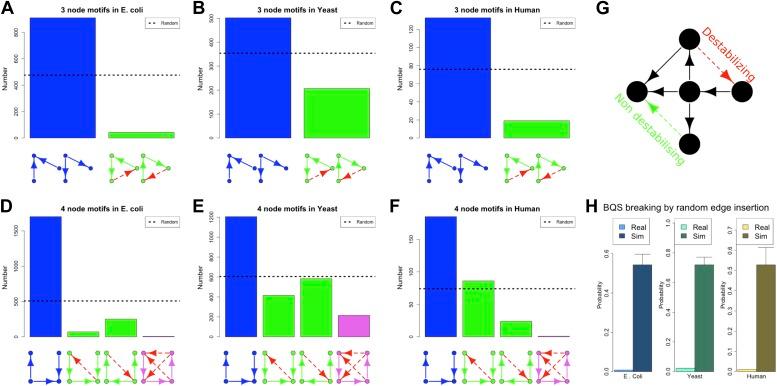
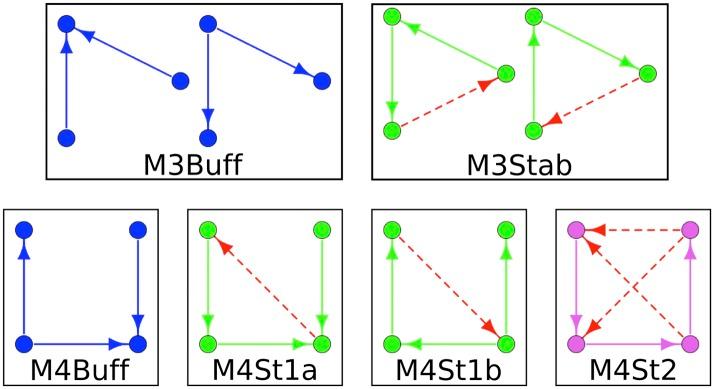
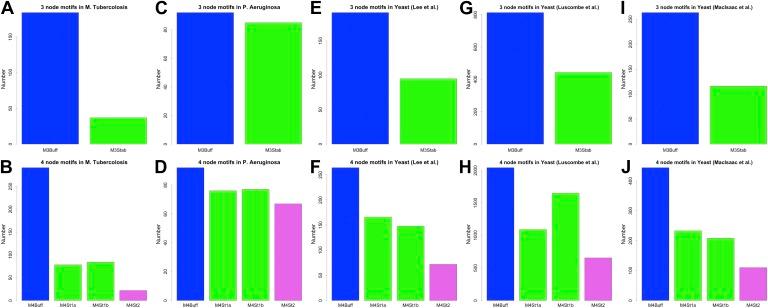
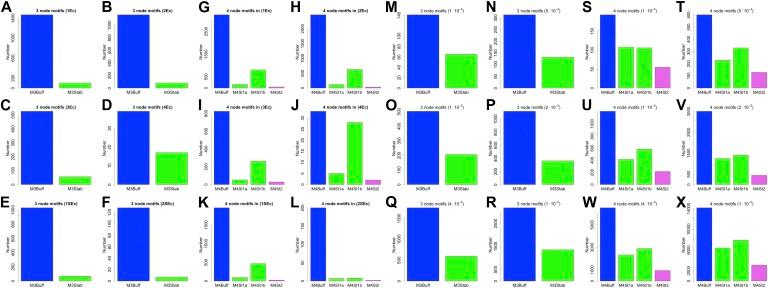
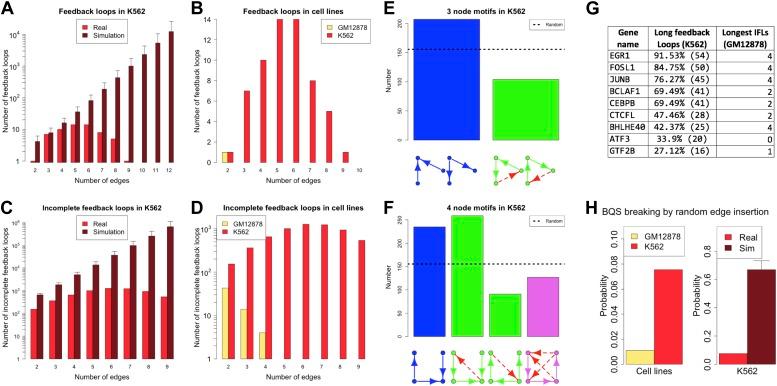
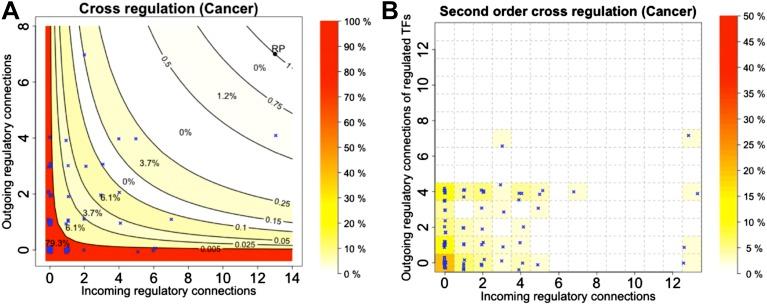
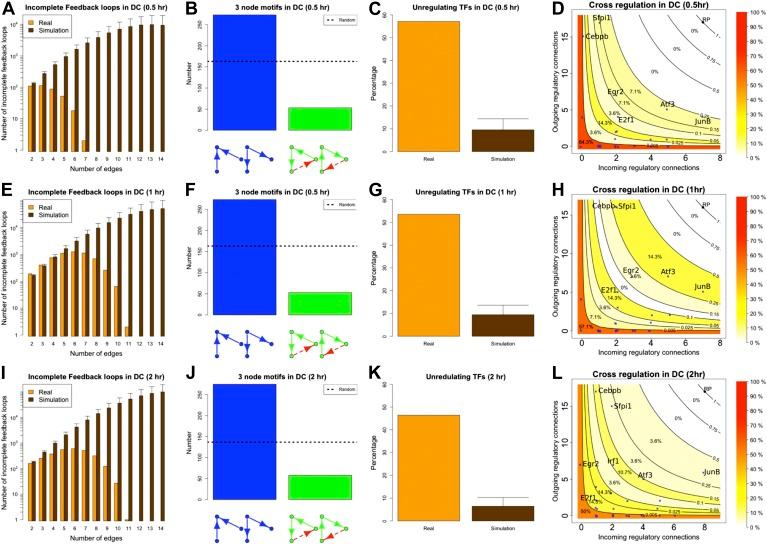
The gene regulatory network (GRN) is the central decision-making module of the cell. We have developed a theory called Buffered Qualitative Stability (BQS) based on the hypothesis that GRNs are organised so that they remain robust in the face of unpredictable environmental and evolutionary changes. BQS makes strong and diverse predictions about the network features that allow stable responses under arbitrary perturbations, including the random addition of new connections. We show that the GRNs of E. coli, M. tuberculosis, P. aeruginosa, yeast, mouse, and human all verify the predictions of BQS. BQS explains many of the small- and large-scale properties of GRNs, provides conditions for evolvable robustness, and highlights general features of transcriptional response. BQS is severely compromised in a human cancer cell line, suggesting that loss of BQS might underlie the phenotypic plasticity of cancer cells, and highlighting a possible sequence of GRN alterations concomitant with cancer initiation.
基因调控网络(GRN)是细胞的核心决策模块。我们基于GRN的组织方式使其在面对不可预测的环境和进化变化时仍保持稳健这一假设,开发了一种名为缓冲定性稳定性(BQS)的理论。BQS对网络特征做出了强有力且多样的预测,这些特征允许在任意扰动(包括随机添加新连接)下实现稳定响应。我们表明,大肠杆菌、结核分枝杆菌、铜绿假单胞菌、酵母、小鼠和人类的GRN均验证了BQS的预测。BQS解释了GRN的许多小规模和大规模特性,为可进化的稳健性提供了条件,并突出了转录反应的一般特征。BQS在一种人类癌细胞系中严重受损,这表明BQS的丧失可能是癌细胞表型可塑性的基础,并突出了与癌症起始相关的GRN改变的可能顺序。










 Zotero 插件