
富氢盐水可抑制NLRP3炎性小体激活并减轻小鼠实验性急性胰腺炎。
Hydrogen-rich saline inhibits NLRP3 inflammasome activation and attenuates experimental acute pancreatitis in mice.
作者信息
Ren Jian-Dong, Ma Jie, Hou Jun, Xiao Wen-Jin, Jin Wei-Hua, Wu Juan, Fan Kai-Hua
机构信息
Department of Pharmacy, Chengdu Military General Hospital, No. 270, Rongdu Avenue, Jinniu District, Chengdu, Sichuan 610083, China.
出版信息
Mediators Inflamm. 2014;2014:930894. doi: 10.1155/2014/930894. Epub 2014 Aug 20.
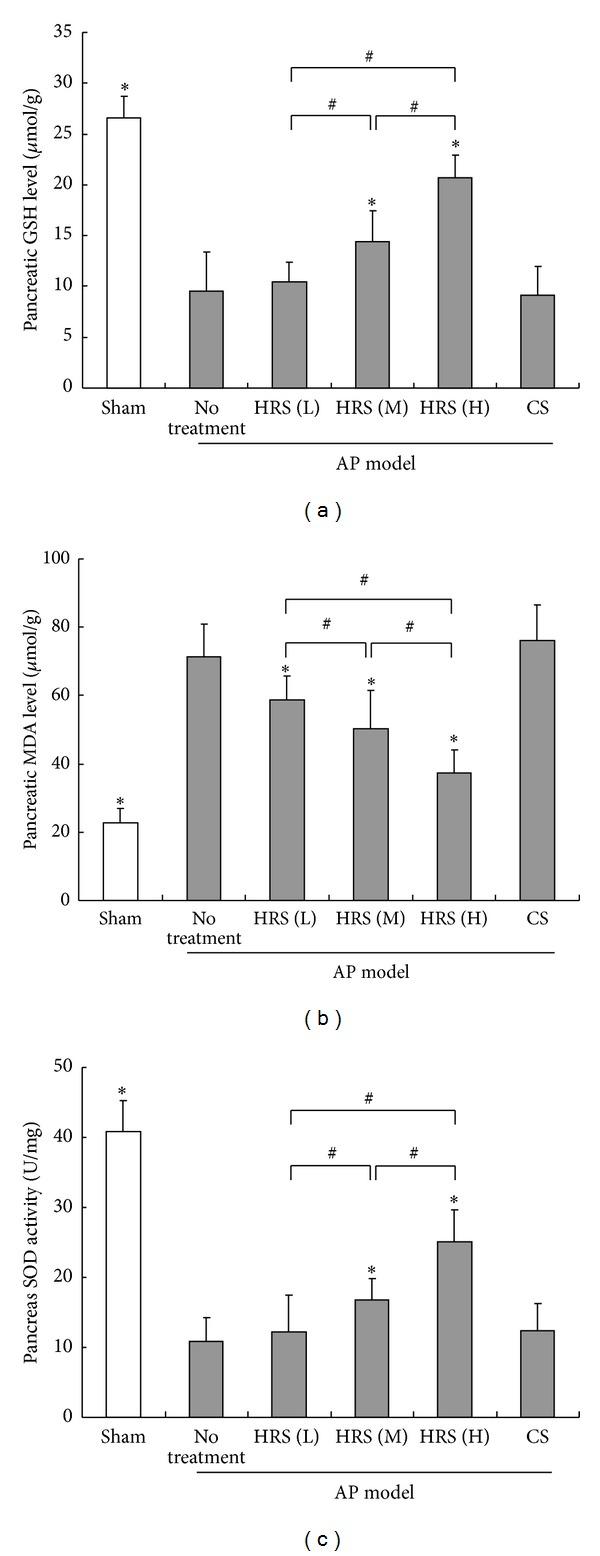
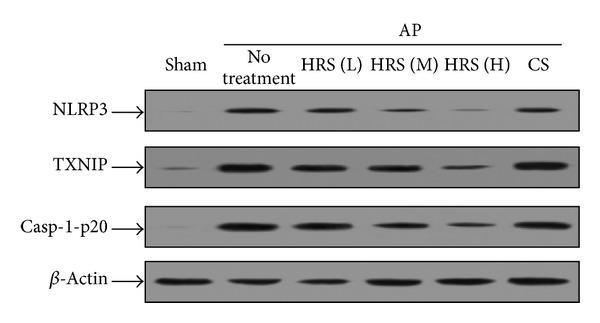
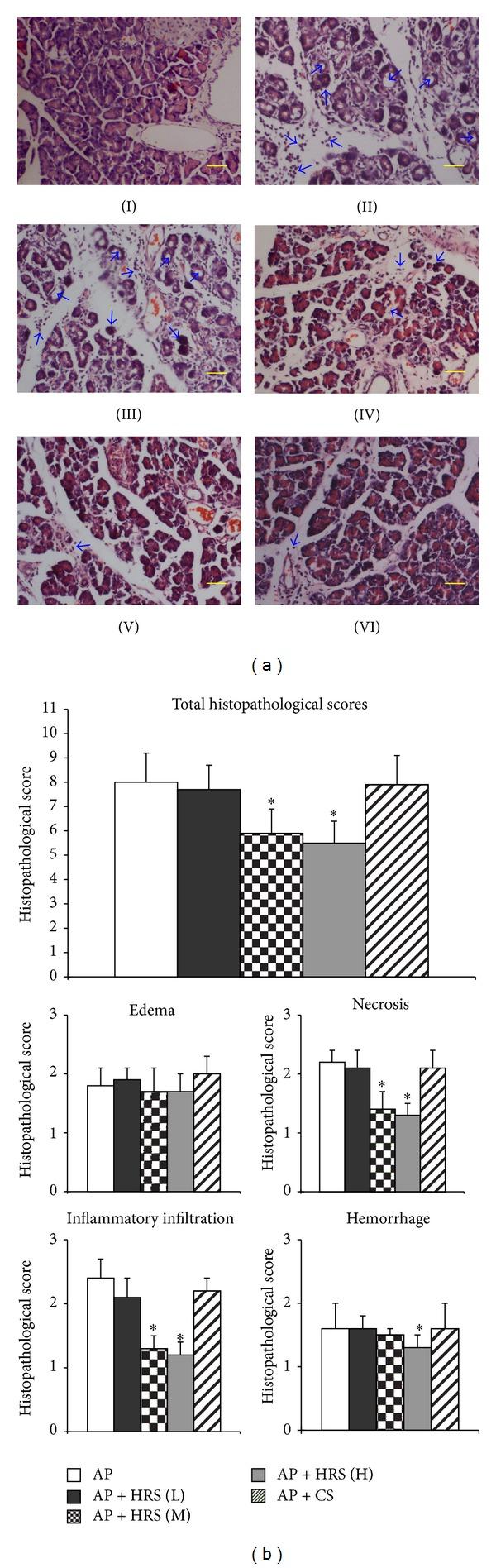
Increasing evidence has demonstrated that reactive oxygen species (ROS) induces oxidative stress and plays a crucial role in the pathogenesis of acute pancreatitis (AP). Hydrogen-rich saline (HRS), a well-known ROS scavenger, has been shown to possess therapeutic benefit on AP in many animal experiments. Recent findings have indicated that the NOD-like receptor family, pyrin domain-containing 3 (NLRP3) inflammasome, an intracellular multiprotein complex required for the maturation of interleukin- (IL-) 1β, may probably be a potential target of HRS in the treatment of AP. Therefore, in this study, we evaluated the activation of NLRP3 inflammasome and meanwhile assessed the degree of oxidative stress and inflammatory cascades, as well as the histological alterations in mice suffering from cerulein-induced AP after the treatment of HRS. The results showed that the activation of NLRP3 inflammasome in AP mice was substantially inhibited following the administration of HRS, which was paralleled with the decreased NF-κB activity and cytokines production, attenuated oxidative stress and the amelioration of pancreatic tissue damage. In conclusion, our study has, for the first time, revealed that inhibition of the activation of NLRP3 inflammasome probably contributed to the therapeutic potential of HRS in AP.
越来越多的证据表明,活性氧(ROS)会诱导氧化应激,并在急性胰腺炎(AP)的发病机制中起关键作用。富氢盐水(HRS)是一种著名的ROS清除剂,在许多动物实验中已显示对AP具有治疗作用。最近的研究结果表明,NOD样受体家族含pyrin结构域3(NLRP3)炎性小体是白细胞介素-(IL-)1β成熟所需的一种细胞内多蛋白复合物,可能是HRS治疗AP的潜在靶点。因此,在本研究中,我们评估了NLRP3炎性小体的激活情况,同时评估了氧化应激程度、炎症级联反应以及在经HRS治疗的由雨蛙肽诱导的AP小鼠中的组织学改变。结果显示,给予HRS后,AP小鼠中NLRP3炎性小体的激活受到显著抑制,这与NF-κB活性降低、细胞因子产生减少、氧化应激减轻以及胰腺组织损伤改善相一致。总之,我们的研究首次揭示,抑制NLRP3炎性小体的激活可能是HRS治疗AP具有潜在疗效的原因。


 Zotero 插件