
基于质谱分析的小鼠肝脏在暴露于紫外线B辐射后的代谢物谱分析。
Mass spectrometry-based metabolite profiling in the mouse liver following exposure to ultraviolet B radiation.
作者信息
Park Hye Min, Shon Jong Cheol, Lee Mee Youn, Liu Kwang-Hyeon, Kim Jeong Kee, Lee Sang Jun, Lee Choong Hwan
机构信息
Department of Bioscience and Biotechnology, Konkuk University, Gwangjin-gu, Seoul, Republic of Korea.
College of Pharmacy and Research Institute of Pharmaceutical Sciences, Kyungpook National University, Buk-gu, Daegu, Republic of Korea.
出版信息
PLoS One. 2014 Oct 2;9(10):e109479. doi: 10.1371/journal.pone.0109479. eCollection 2014.
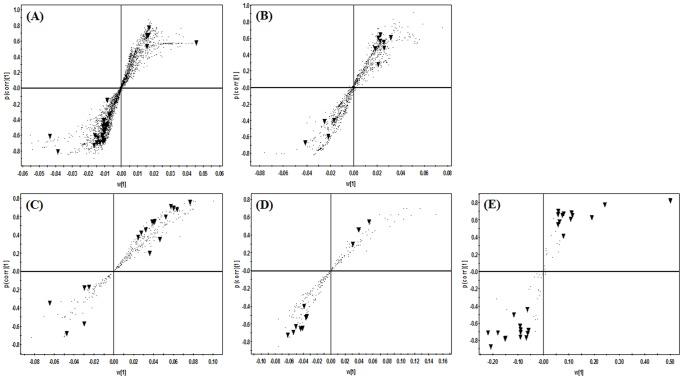
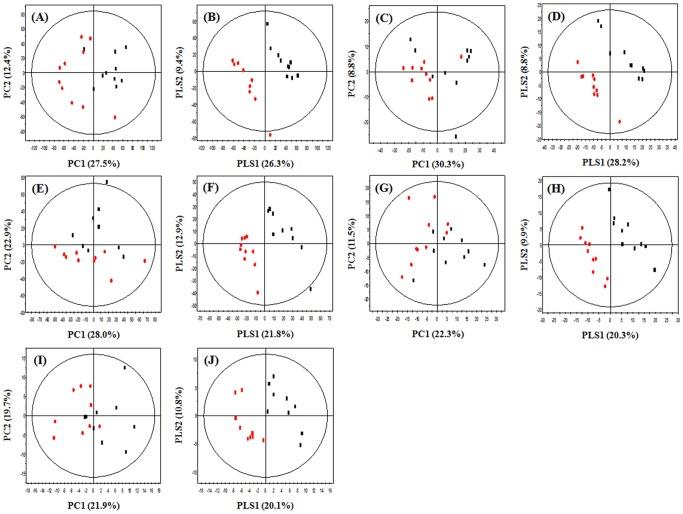
Although many studies have been performed on the effects of ultraviolet (UV) radiation on the skin, only a limited number of reports have investigated these effects on non-skin tissue. This study aimed to describe the metabolite changes in the liver of hairless mice following chronic exposure to UVB radiation. We did not observe significant macroscopic changes or alterations in hepatic cholesterol and triglyceride levels in the liver of UVB-irradiated mice, compared with those for normal mice. In this study, we detected hepatic metabolite changes by UVB exposure and identified several amino acids, fatty acids, nucleosides, carbohydrates, phospholipids, lysophospholipids, and taurine-conjugated cholic acids as candidate biomarkers in response to UVB radiation in the mouse liver by using various mass spectrometry (MS)-based metabolite profiling including ultra-performance liquid chromatography-quadrupole time-of-flight (TOF)-MS, gas chromatography-TOF-MS and nanomate LTQ-MS. Glutamine exhibited the most dramatic change with a 5-fold increase in quantity. The results from altering several types of metabolites suggest that chronic UVB irradiation may impact significantly on major hepatic metabolism processes, despite the fact that the liver is not directly exposed to UVB radiation. MS-based metabolomic approach for determining regulatory hepatic metabolites following UV irradiation will provide a better understanding of the relationship between internal organs and UV light.
尽管已经有许多关于紫外线(UV)辐射对皮肤影响的研究,但只有少数报告研究了其对非皮肤组织的影响。本研究旨在描述无毛小鼠肝脏在长期暴露于UVB辐射后的代谢物变化。与正常小鼠相比,我们未观察到UVB照射小鼠肝脏出现明显的宏观变化或肝胆固醇及甘油三酯水平的改变。在本研究中,我们通过UVB暴露检测肝脏代谢物变化,并使用包括超高效液相色谱 - 四极杆飞行时间(TOF) - MS、气相色谱 - TOF - MS和纳米Mate LTQ - MS等多种基于质谱(MS)的代谢物谱分析方法,鉴定了几种氨基酸、脂肪酸、核苷、碳水化合物、磷脂、溶血磷脂和牛磺酸结合胆酸作为小鼠肝脏对UVB辐射反应的候选生物标志物。谷氨酰胺的变化最为显著,其含量增加了5倍。多种类型代谢物的变化结果表明,尽管肝脏未直接暴露于UVB辐射,但长期UVB照射可能会对肝脏的主要代谢过程产生显著影响。基于MS的代谢组学方法用于确定UV照射后肝脏代谢物的调控情况,将有助于更好地理解内部器官与紫外线之间的关系。
 Zotero 插件