
采用Meta分析方法的系统评价中统计学意义和临床意义的阈值
Thresholds for statistical and clinical significance in systematic reviews with meta-analytic methods.
作者信息
Jakobsen Janus Christian, Wetterslev Jørn, Winkel Per, Lange Theis, Gluud Christian
机构信息
Rigshospitalet, Copenhagen Trial Unit, Centre for Clinical Intervention Research, Department 7812, Copenhagen University Hospital, Copenhagen, Denmark.
出版信息
BMC Med Res Methodol. 2014 Nov 21;14:120. doi: 10.1186/1471-2288-14-120.
BACKGROUND
Thresholds for statistical significance when assessing meta-analysis results are being insufficiently demonstrated by traditional 95% confidence intervals and P-values. Assessment of intervention effects in systematic reviews with meta-analysis deserves greater rigour.
METHODS
Methodologies for assessing statistical and clinical significance of intervention effects in systematic reviews were considered. Balancing simplicity and comprehensiveness, an operational procedure was developed, based mainly on The Cochrane Collaboration methodology and the Grading of Recommendations Assessment, Development, and Evaluation (GRADE) guidelines.
RESULTS
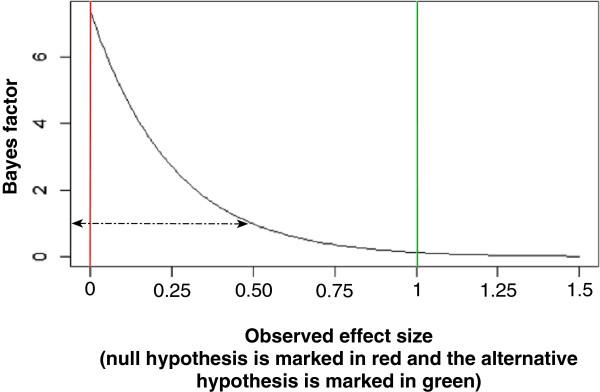
We propose an eight-step procedure for better validation of meta-analytic results in systematic reviews (1) Obtain the 95% confidence intervals and the P-values from both fixed-effect and random-effects meta-analyses and report the most conservative results as the main results. (2) Explore the reasons behind substantial statistical heterogeneity using subgroup and sensitivity analyses (see step 6). (3) To take account of problems with multiplicity adjust the thresholds for significance according to the number of primary outcomes. (4) Calculate required information sizes (≈ the a priori required number of participants for a meta-analysis to be conclusive) for all outcomes and analyse each outcome with trial sequential analysis. Report whether the trial sequential monitoring boundaries for benefit, harm, or futility are crossed. (5) Calculate Bayes factors for all primary outcomes. (6) Use subgroup analyses and sensitivity analyses to assess the potential impact of bias on the review results. (7) Assess the risk of publication bias. (8) Assess the clinical significance of the statistically significant review results.
CONCLUSIONS
If followed, the proposed eight-step procedure will increase the validity of assessments of intervention effects in systematic reviews of randomised clinical trials.
背景
在评估荟萃分析结果时,传统的95%置信区间和P值对统计学显著性阈值的证明并不充分。在系统评价中通过荟萃分析评估干预效果需要更高的严谨性。
方法
考虑了在系统评价中评估干预效果的统计学和临床显著性的方法。在平衡简单性和全面性的基础上,主要基于Cochrane协作网方法和推荐分级的评估、制定与评价(GRADE)指南制定了一个操作程序。
结果
我们提出了一个八步程序,以更好地验证系统评价中荟萃分析的结果:(1)从固定效应和随机效应荟萃分析中获取95%置信区间和P值,并将最保守的结果作为主要结果报告。(2)使用亚组分析和敏感性分析探究显著统计学异质性背后的原因(见步骤6)。(3)考虑多重性问题,根据主要结局的数量调整显著性阈值。(4)计算所有结局所需的信息量(≈荟萃分析得出结论所需的先验参与者数量),并使用试验序贯分析对每个结局进行分析。报告是否越过了获益、有害或无效的试验序贯监测界限。(5)计算所有主要结局的贝叶斯因子。(6)使用亚组分析和敏感性分析评估偏倚对评价结果的潜在影响。(7)评估发表偏倚的风险。(8)评估具有统计学显著性的评价结果的临床意义。
结论
如果遵循所提出的八步程序,将提高随机临床试验系统评价中干预效果评估的有效性。
 Zotero 插件