
对盐生植物唐古特白刺叶片的生理和蛋白质组学分析揭示了多种对高盐度耐受性至关重要的响应途径。
Physiological and proteomic analyses of leaves from the halophyte Tangut Nitraria reveals diverse response pathways critical for high salinity tolerance.
机构信息
Key Laboratory of Forest Genetics and Biotechnology, Ministry of Education, Nanjing Forestry University Nanjing, China ; State Key Laboratory of Tree Genetics and Breeding, Chinese Academy of Forestry Beijing, China.
Key Laboratory of Forest Genetics and Biotechnology, Ministry of Education, Nanjing Forestry University Nanjing, China.
出版信息
Front Plant Sci. 2015 Feb 10;6:30. doi: 10.3389/fpls.2015.00030. eCollection 2015.
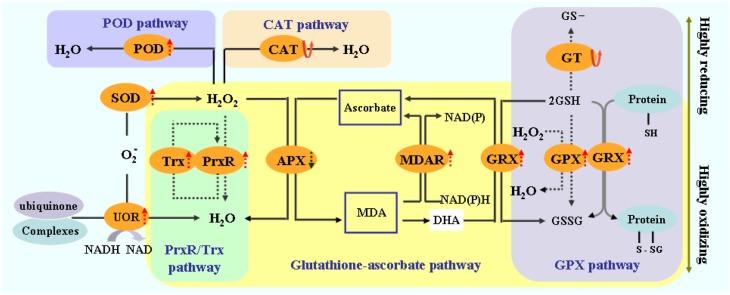
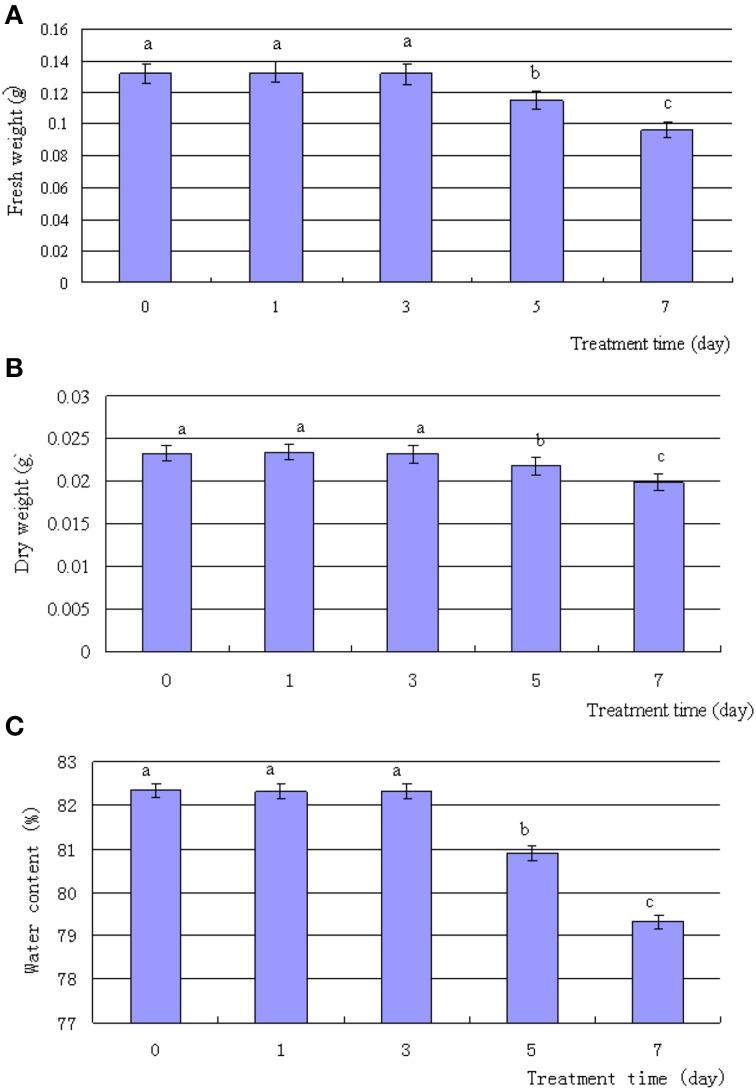
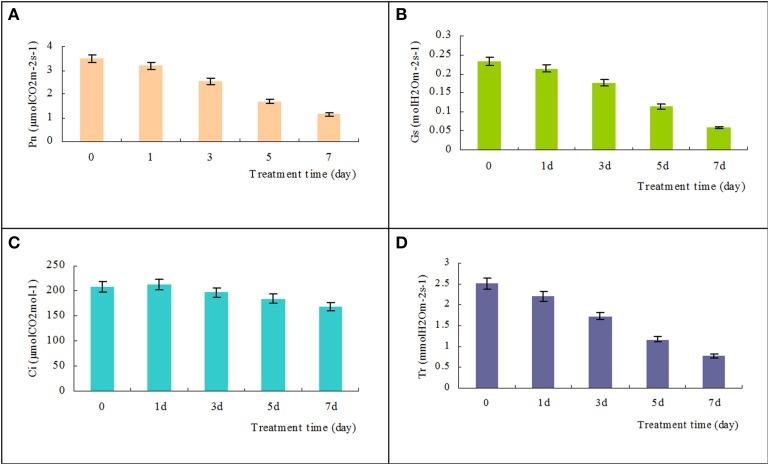
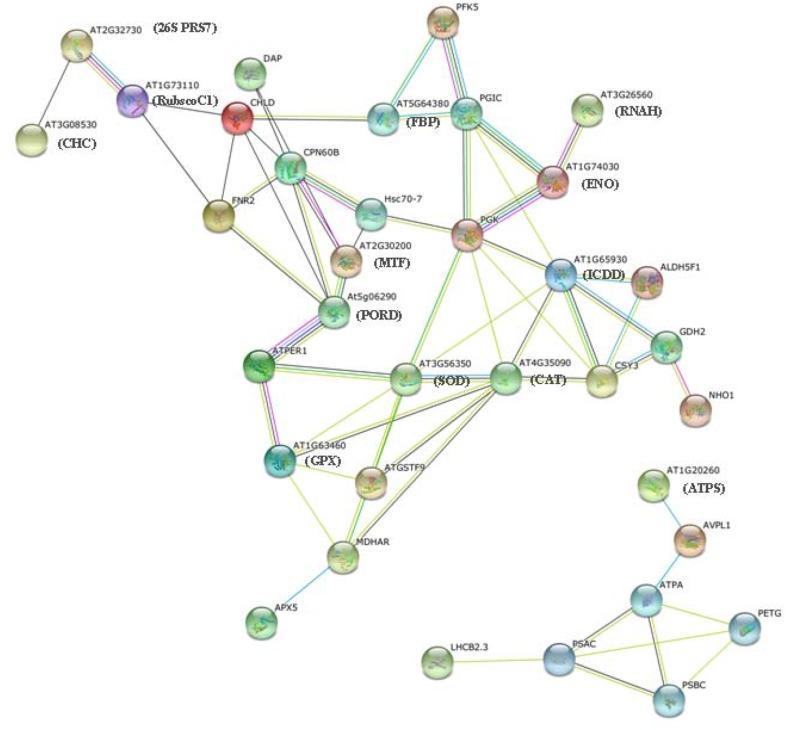
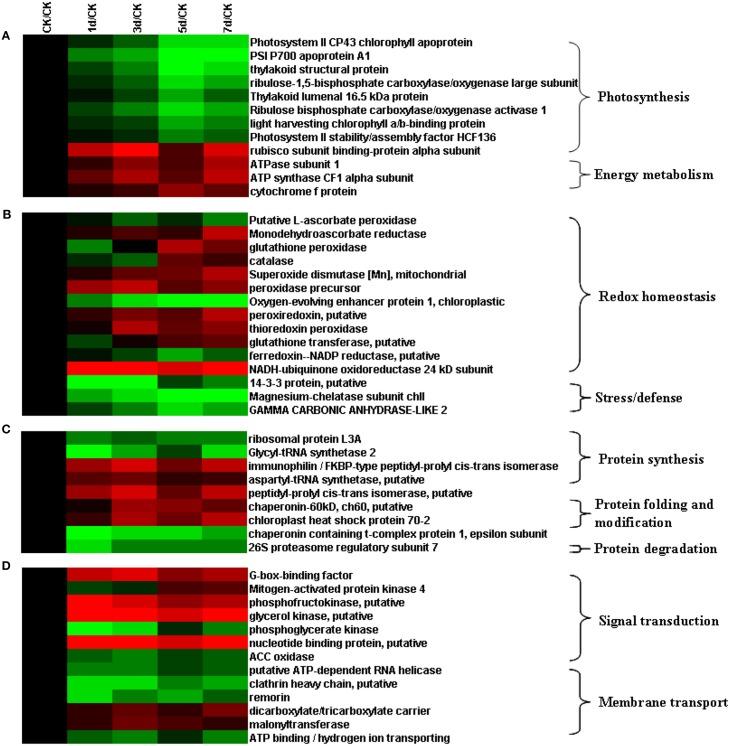
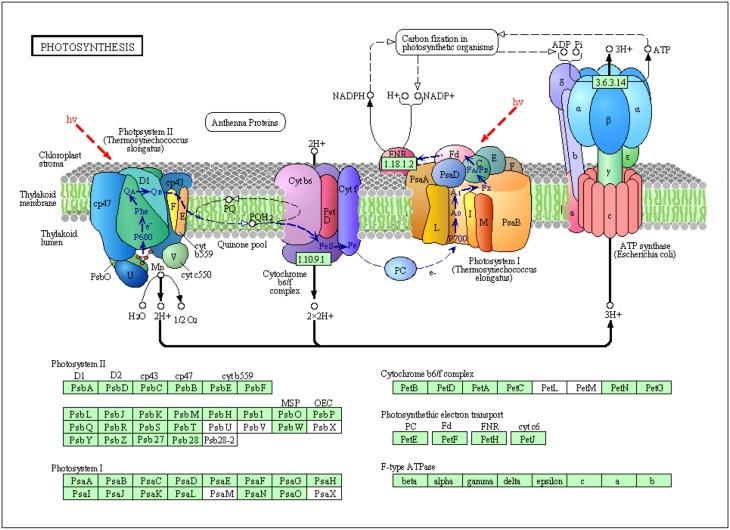
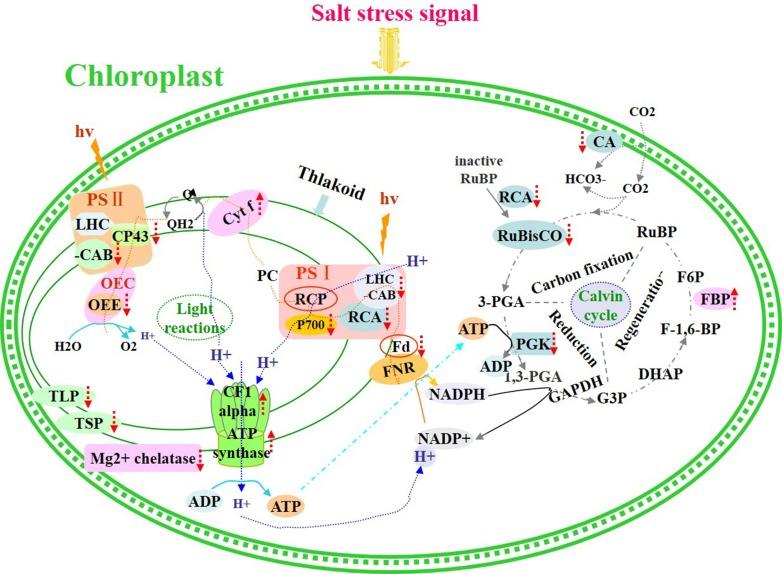
Soil salinization poses a serious threat to the environment and agricultural productivity worldwide. Studies on the physiological and molecular mechanisms of salinity tolerance in halophytic plants provide valuable information to enhance their salt tolerance. Tangut Nitraria is a widely distributed halophyte in saline-alkali soil in the northern areas of China. In this study, we used a proteomic approach to investigate the molecular pathways of the high salt tolerance of T. Nitraria. We analyzed the changes in biomass, photosynthesis, and redox-related enzyme activities in T. Nitraria leaves from plant seedlings treated with high salt concentration. Comparative proteomic analysis of the leaves revealed that the expression of 71 proteins was significantly altered after salinity treatments of T. Nitraria. These salinity-responsive proteins were mainly involved in photosynthesis, redox homeostasis, stress/defense, carbohydrate and energy metabolism, protein metabolism, signal transduction, and membrane transport. Results showed that the reduction of photosynthesis under salt stress was attributed to the down-regulation of the enzymes and proteins involved in the light reaction and Calvin cycle. Protein-protein interaction analysis revealed that the proteins involved in redox homeostasis, photosynthesis, and energy metabolism constructed two types of response networks to high salt stress. T. Nitraria plants developed diverse mechanisms for scavenging reactive oxygen species (ROS) in their leaves to cope with stress induced by high salinity. This study provides important information regarding the salt tolerance of the halophyte T. Nitraria.
土壤盐渍化对全球环境和农业生产力构成严重威胁。对盐生植物耐盐生理和分子机制的研究为提高其耐盐性提供了有价值的信息。唐古特白刺是中国北方盐渍化土壤中广泛分布的盐生植物。本研究采用蛋白质组学方法研究了唐古特白刺耐盐的分子途径。我们分析了高盐浓度处理的唐古特白刺幼苗叶片的生物量、光合作用和氧化还原相关酶活性的变化。唐古特白刺叶片的比较蛋白质组学分析表明,盐胁迫处理后 71 种蛋白质的表达明显改变。这些盐响应蛋白主要参与光合作用、氧化还原稳态、应激/防御、碳水化合物和能量代谢、蛋白质代谢、信号转导和膜转运。结果表明,盐胁迫下光合作用的降低归因于参与光反应和卡尔文循环的酶和蛋白质的下调。蛋白质-蛋白质相互作用分析表明,参与氧化还原稳态、光合作用和能量代谢的蛋白质构建了两种类型的响应网络来应对高盐胁迫。唐古特白刺植物在叶片中发展出多种清除活性氧(ROS)的机制,以应对高盐引起的胁迫。本研究为盐生植物唐古特白刺的耐盐性提供了重要信息。



 Zotero 插件