
与分散的原油滴意外相互作用对大西洋黑线鳕胚胎造成严重毒性。
Unexpected interaction with dispersed crude oil droplets drives severe toxicity in Atlantic haddock embryos.
作者信息
Sørhus Elin, Edvardsen Rolf B, Karlsen Ørjan, Nordtug Trond, van der Meeren Terje, Thorsen Anders, Harman Christopher, Jentoft Sissel, Meier Sonnich
机构信息
Institute of Marine Research, Nordnes, Bergen, Norway; Centre for Ecological and Evolutionary Synthesis (CEES), University of Oslo, Blindern, Oslo, Norway.
Institute of Marine Research, Nordnes, Bergen, Norway.
出版信息
PLoS One. 2015 Apr 29;10(4):e0124376. doi: 10.1371/journal.pone.0124376. eCollection 2015.
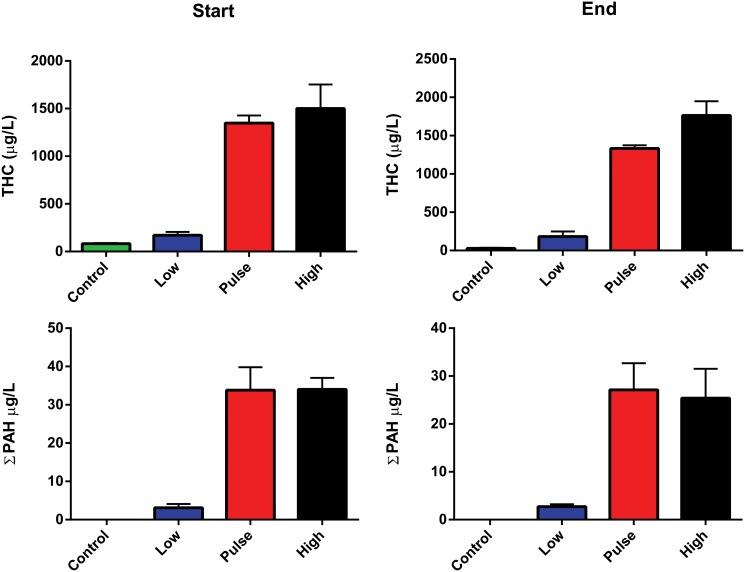
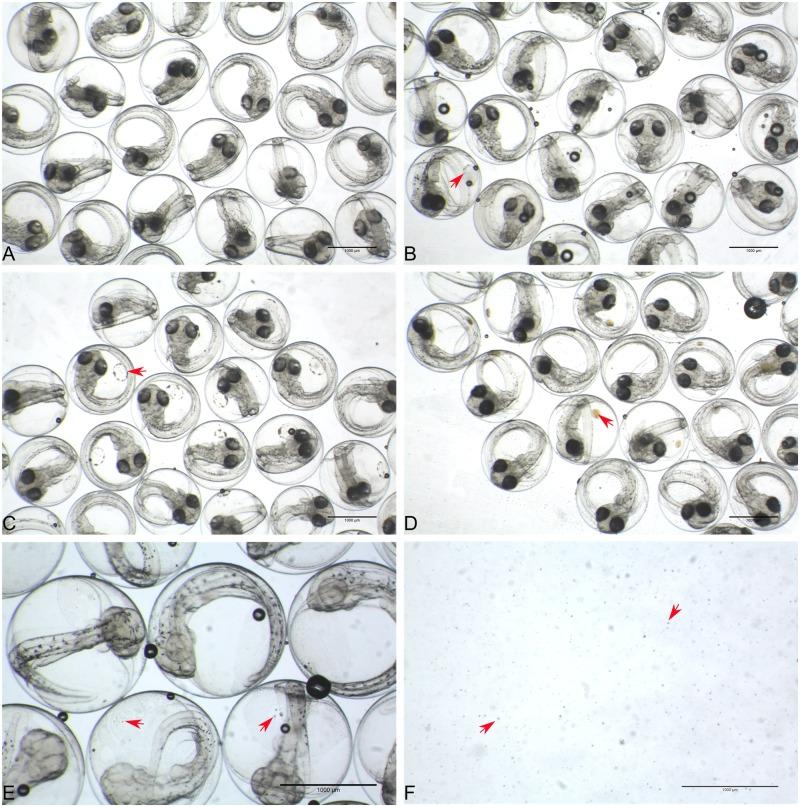
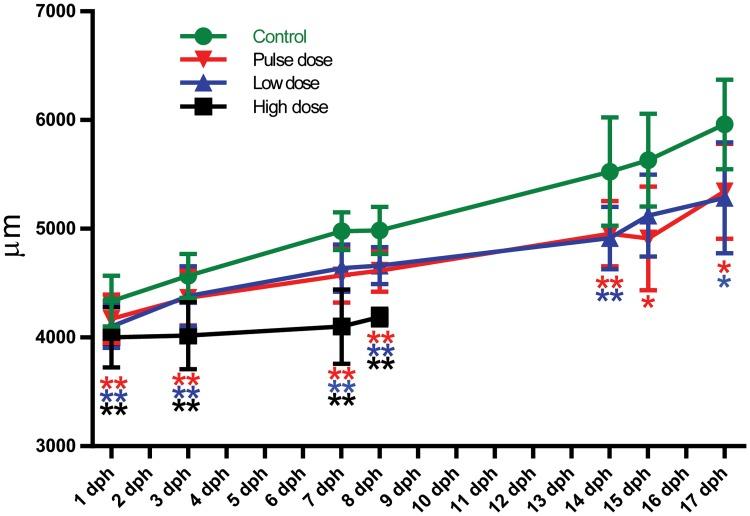
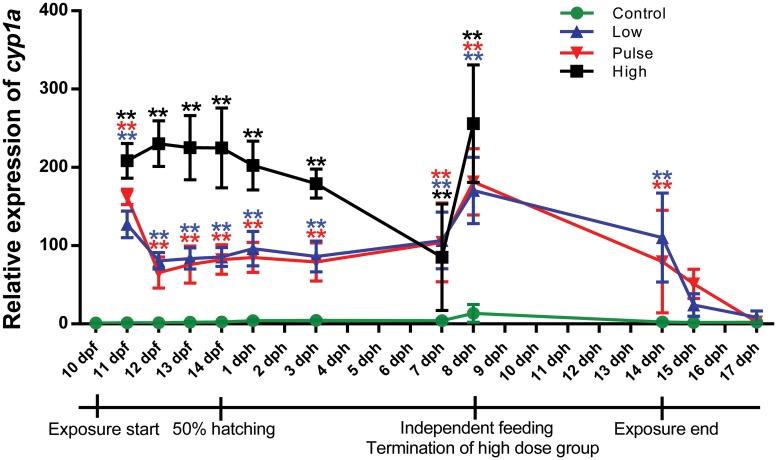
The toxicity resulting from exposure to oil droplets in marine fish embryos and larvae is still subject for debate. The most detailed studies have investigated the effects of water-dissolved components of crude oil in water accommodated fractions (WAFs) that lack bulk oil droplets. Although exposure to dissolved petroleum compounds alone is sufficient to cause the characteristic developmental toxicity of crude oil, few studies have addressed whether physical interaction with oil micro-droplets are a relevant exposure pathway for open water marine speices. Here we used controlled delivery of mechanically dispersed crude oil to expose pelagic embryos and larvae of a marine teleost, the Atlantic haddock (Melanogrammus aeglefinus). Haddock embryos were exposed continuously to two different concentrations of dispersed crude oil, high and low, or in pulses. By 24 hours of exposure, micro-droplets of oil were observed adhering and accumulating on the chorion, accompanied by highly elevated levels of cyp1a, a biomarker for exposure to aromatic hydrocarbons. Embryos from all treatment groups showed abnormalities representative of crude oil cardiotoxicity at hatch (5 days of exposure), such as pericardial and yolk sac edema. Compared to other species, the frequency and severity of toxic effects was higher than expected for the waterborne PAH concentrations (e.g., 100% of larvae had edema at the low treatment). These findings suggest an enhanced tissue uptake of PAHs and/or other petroleum compounds from attached oil droplets. These studies highlight a novel property of haddock embryos that leads to greater than expected impact from dispersed crude oil. Given the very limited number of marine species tested in similar exposures, the likelihood of other species with similar properties could be high. This unanticipated result therefore has implications for assessing the ecological impacts of oil spills and the use of methods for dispersing oil in the open sea.
接触海洋鱼类胚胎和幼体中的油滴所产生的毒性仍存在争议。最详细的研究调查了原油中水相成分(WAFs)中溶解成分的影响,这些水相成分中不含大量油滴。虽然仅接触溶解的石油化合物就足以导致原油特有的发育毒性,但很少有研究探讨与油微滴的物理相互作用是否是开阔海域海洋物种的一种相关暴露途径。在此,我们通过控制机械分散原油的投放量,来暴露一种海洋硬骨鱼——大西洋黑线鳕(Melanogrammus aeglefinus)的浮游胚胎和幼体。黑线鳕胚胎持续暴露于两种不同浓度的分散原油中,高浓度和低浓度,或脉冲式暴露。暴露24小时后,观察到油微滴附着并积聚在卵膜上,同时伴随着cyp1a水平的大幅升高,cyp1a是一种接触芳烃的生物标志物。所有处理组的胚胎在孵化时(暴露5天)均表现出代表原油心脏毒性的异常,如心包和卵黄囊水肿。与其他物种相比,毒性效应的频率和严重程度高于根据水中多环芳烃浓度所预期的情况(例如,低浓度处理组中100%的幼体出现水肿)。这些发现表明,从附着的油滴中对多环芳烃和/或其他石油化合物的组织摄取有所增强。这些研究突出了黑线鳕胚胎的一种新特性,这种特性导致分散原油产生的影响大于预期。鉴于在类似暴露中测试的海洋物种数量非常有限,其他具有类似特性的物种的可能性可能很高。因此,这一意外结果对评估溢油的生态影响以及在公海使用油分散方法具有重要意义。





 Zotero 插件