
过氧化物酶体增殖物激活受体α在蝙蝠冬眠中的适应性变化。
Adaptation of peroxisome proliferator-activated receptor alpha to hibernation in bats.
作者信息
Han Yijie, Zheng Guantao, Yang Tianxiao, Zhang Shuyi, Dong Dong, Pan Yi-Hsuan
机构信息
Laboratory of Molecular Ecology and Evolution, Institute for Advanced Studies in Multidisciplinary Science and Technology, East China Normal University, Shanghai, 200062, China.
State Key Laboratory of Estuarine and Coastal Research, East China Normal University, Shanghai, 200062, China.
出版信息
BMC Evol Biol. 2015 May 17;15:88. doi: 10.1186/s12862-015-0373-6.
BACKGROUND
Hibernation is a survival mechanism in the winter for some animals. Fat preserved instead of glucose produced is the primary fuel during winter hibernation of mammals. Many genes involved in lipid metabolism are regulated by the peroxisome proliferator-activated receptor alpha (PPARα). The role of PPARα in hibernation of mammals remains largely unknown. Using a multidisciplinary approach, we investigated whether PPARα is adapted to hibernation in bats.
RESULTS
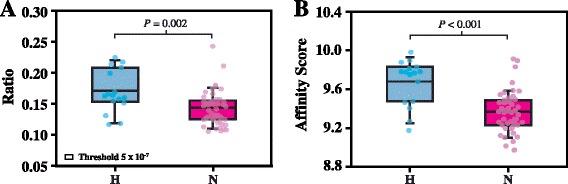
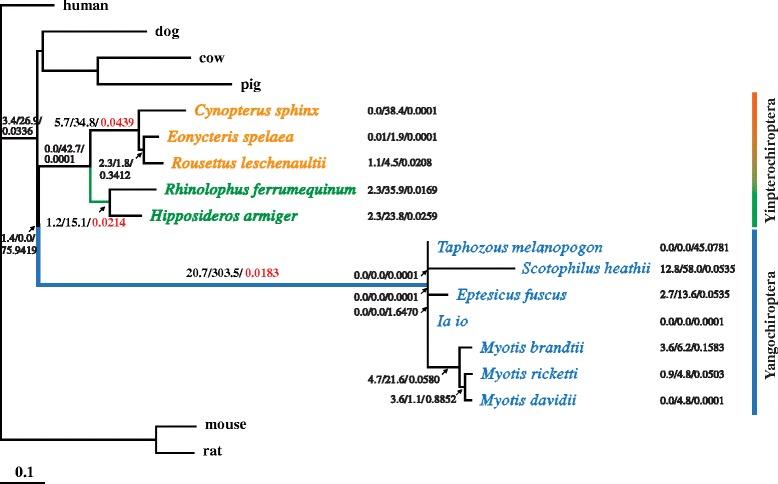
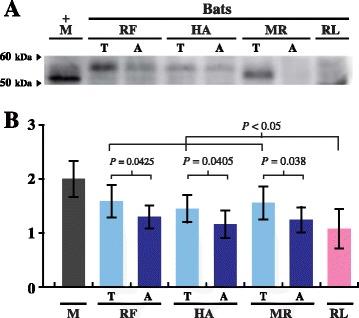
Evolutionary analyses revealed that the ω value of Pparα of the ancestral lineage of hibernating bats in both Yinpterochiroptera and Yangochiroptera was lower than that of non-hibernating bats in Yinpterochiroptera, suggesting that a higher selective pressure acts on Pparα in hibernating bats. PPARα expression was found to be increased at both mRNA and protein levels in distantly related bats (Rhinolophus ferrumequinum and Hipposideros armiger in Yinpterochiroptera and Myotis ricketti in Yangochiroptera) during their torpid episodes. Transcription factors such as FOXL1, NFYA, NFYB, SP1, TBP, and ERG were bioinformatically determined to have a higher binding affinity to the potential regulatory regions of Pparα in hibernating than in non-hibernating mammals. Genome-wide bioinformatic analyses of 64 mammalian species showed that PPARα has more potential target genes and higher binding affinity to these genes in hibernating than in non-hibernating mammals.
CONCLUSIONS
We conclude that PPARα is adapted to hibernation in bats based on the observations that Pparα has a more stringent functional constraint in the ancestral lineage of hibernating bats and a higher level of expression in hibernating than in non-hibernating bats. We also conclude that PPARα plays a very important role in hibernation as hibernators have more PPARα target genes than non-hibernators, and PPARα in hibernators has a higher binding affinity for its target genes than in non-hibernators.
背景
冬眠是一些动物在冬季的一种生存机制。在哺乳动物冬季冬眠期间,储存的脂肪而非产生的葡萄糖是主要燃料。许多参与脂质代谢的基因受过氧化物酶体增殖物激活受体α(PPARα)调控。PPARα在哺乳动物冬眠中的作用在很大程度上仍不清楚。我们采用多学科方法研究了PPARα是否适应蝙蝠的冬眠。
结果
进化分析表明,阴翼手目和阳翼手目冬眠蝙蝠祖先谱系的Pparα的ω值低于阴翼手目非冬眠蝙蝠,这表明更高的选择压力作用于冬眠蝙蝠的Pparα。在亲缘关系较远的蝙蝠(阴翼手目的马铁菊头蝠和中菊头蝠以及阳翼手目的大足鼠耳蝠)冬眠期间,发现PPARα在mRNA和蛋白质水平上均有增加。通过生物信息学确定,与非冬眠哺乳动物相比,转录因子如FOXL1、NFYA、NFYB、SP1、TBP和ERG对冬眠哺乳动物中Pparα潜在调控区域的结合亲和力更高。对64种哺乳动物的全基因组生物信息学分析表明,与非冬眠哺乳动物相比,PPARα在冬眠哺乳动物中有更多潜在靶基因且对这些基因的结合亲和力更高。
结论
基于在冬眠蝙蝠祖先谱系中Pparα具有更严格的功能限制以及与非冬眠蝙蝠相比在冬眠时表达水平更高的观察结果,我们得出结论,PPARα适应蝙蝠的冬眠。我们还得出结论,PPARα在冬眠中起非常重要的作用,因为冬眠动物比非冬眠动物有更多的PPARα靶基因,并且冬眠动物中的PPARα对其靶基因的结合亲和力高于非冬眠动物。

 Zotero 插件