
Roux-en-Y胃旁路术后的贫血及静脉补铁需求
Anemia and the Need for Intravenous Iron Infusion after Roux-en-Y Gastric Bypass.
作者信息
Kotkiewicz Adam, Donaldson Keri, Dye Charles, Rogers Ann M, Mauger David, Kong Lan, Eyster M Elaine
机构信息
LVH-M Cancer Center, Bethlehem, Pennsylvania, PA, USA.
Department of Pathology, Division of Clinical Pathology, Hershey, PA, USA.
出版信息
Clin Med Insights Blood Disord. 2015 Jun 4;8:9-17. doi: 10.4137/CMBD.S21825. eCollection 2015.
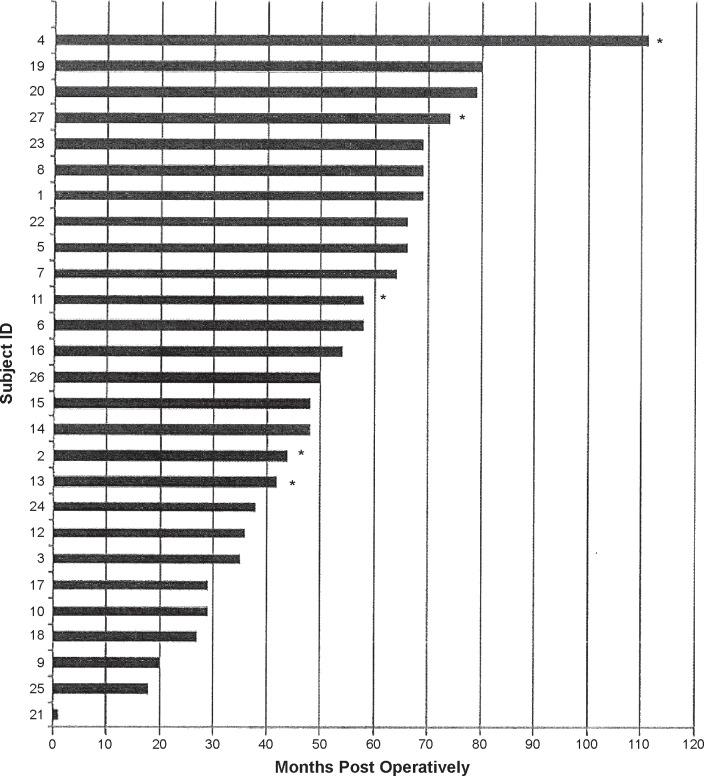
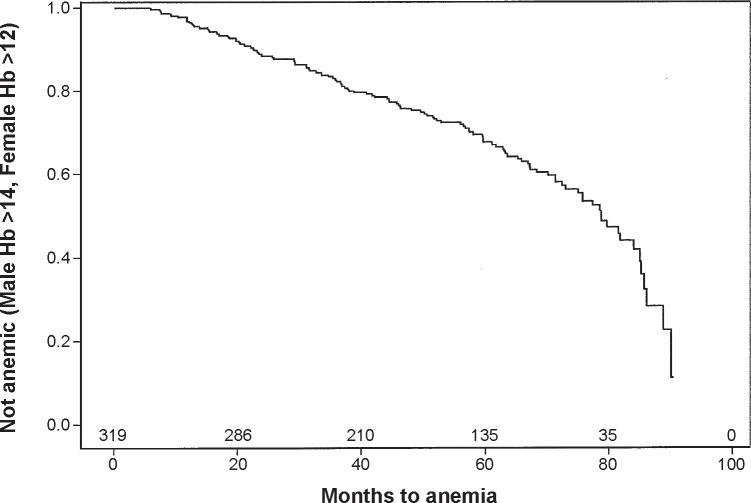
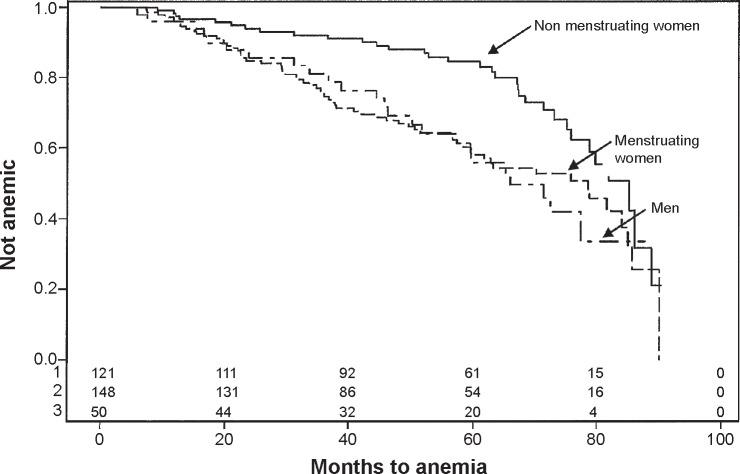
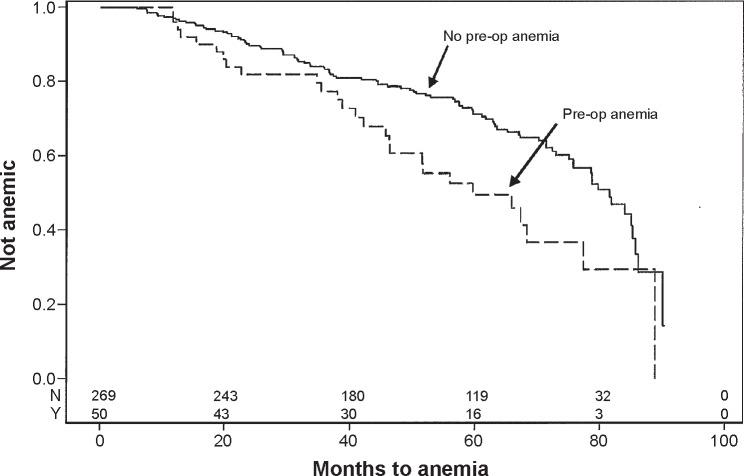
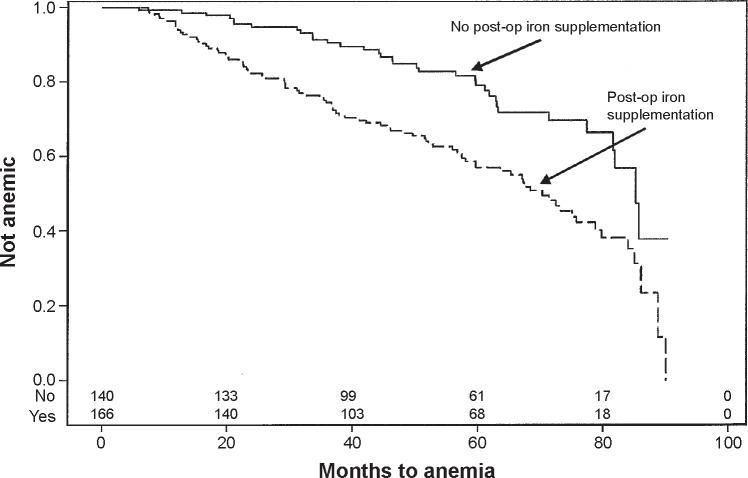
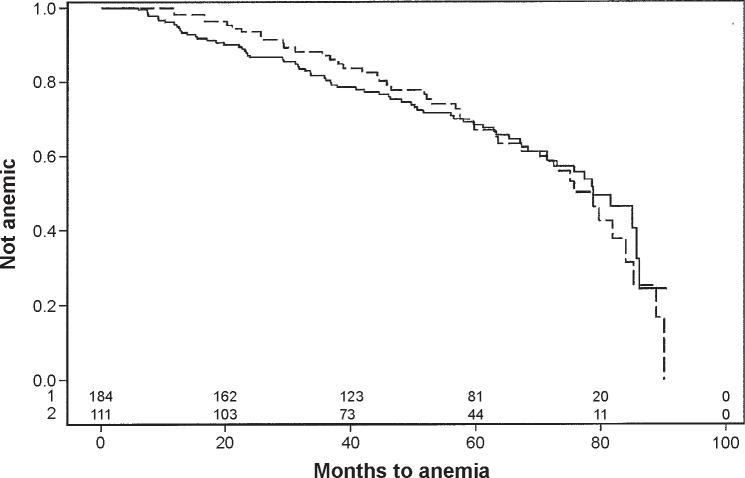
The frequency of anemia, iron deficiency, and the long-term need for IV iron following Roux-en-y gastric bypass (RYGB) surgery has not been well characterized. Three-hundred and nineteen out of 904 consecutive subjects who underwent RYGB at Penn State Hershey Medical Center from 1999 to 2006 met the inclusion criteria for a preoperative complete blood count (CBC) and at least one CBC >6 months following surgery. Cumulative incidence of anemia 7 years post procedure was 58%. Menstruation status and presence of preoperative anemia were predictive of anemia by univariate analysis and multivariable Cox regression (P = 0.0014 and 0.044, respectively). Twenty-seven subjects, primarily premenopausal women, representing 8.5% of the cohort and 22% of the 122 anemic subjects, needed intravenous (IV) iron a mean of 51 months postoperatively for anemia unresponsive or refractory to oral iron. The risk for development of anemia necessitating IV iron therapy following RYGB is highest in menstruating women and continues to increase for many years, even in post-menopausal women. Well-designed prospective studies are needed to identify the incidence of iron deficiency anemia and the patient populations at increased risk for requiring IV iron replacement after RYGB surgery.
Roux-en-y胃旁路术(RYGB)后贫血、缺铁的发生率以及静脉补铁的长期需求尚未得到充分描述。1999年至2006年在宾夕法尼亚州立大学赫尔希医学中心接受RYGB手术的904例连续受试者中,有319例符合术前全血细胞计数(CBC)及术后至少一次CBC检查且时间超过6个月的纳入标准。术后7年贫血的累积发生率为58%。单因素分析和多变量Cox回归显示,月经状态和术前贫血情况可预测贫血发生(P值分别为0.0014和0.044)。27例受试者(主要为绝经前女性),占队列的8.5%,占122例贫血受试者的22%,因贫血对口服铁剂无反应或难治,术后平均51个月需要静脉补铁。RYGB术后因贫血需要静脉补铁治疗的风险在月经女性中最高,且多年来持续增加,即使在绝经后女性中也是如此。需要进行精心设计的前瞻性研究,以确定缺铁性贫血的发生率以及RYGB手术后需要静脉补铁的高危患者群体。
 Zotero 插件