
1型糖尿病症状前分期:美国青少年糖尿病研究基金会、美国内分泌学会及美国糖尿病协会的科学声明
Staging presymptomatic type 1 diabetes: a scientific statement of JDRF, the Endocrine Society, and the American Diabetes Association.
作者信息
Insel Richard A, Dunne Jessica L, Atkinson Mark A, Chiang Jane L, Dabelea Dana, Gottlieb Peter A, Greenbaum Carla J, Herold Kevan C, Krischer Jeffrey P, Lernmark Åke, Ratner Robert E, Rewers Marian J, Schatz Desmond A, Skyler Jay S, Sosenko Jay M, Ziegler Anette-G
机构信息
JDRF, New York, NY
JDRF, New York, NY.
出版信息
Diabetes Care. 2015 Oct;38(10):1964-74. doi: 10.2337/dc15-1419.
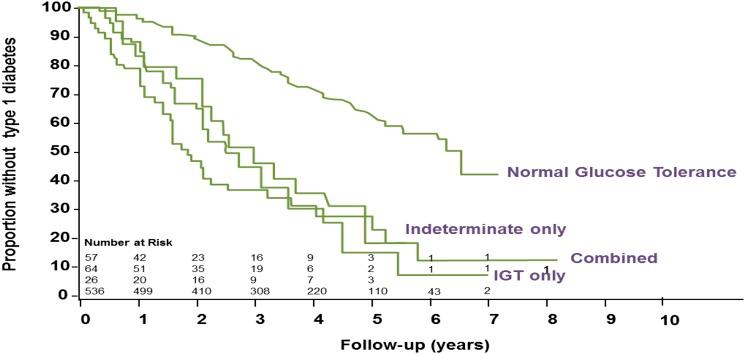
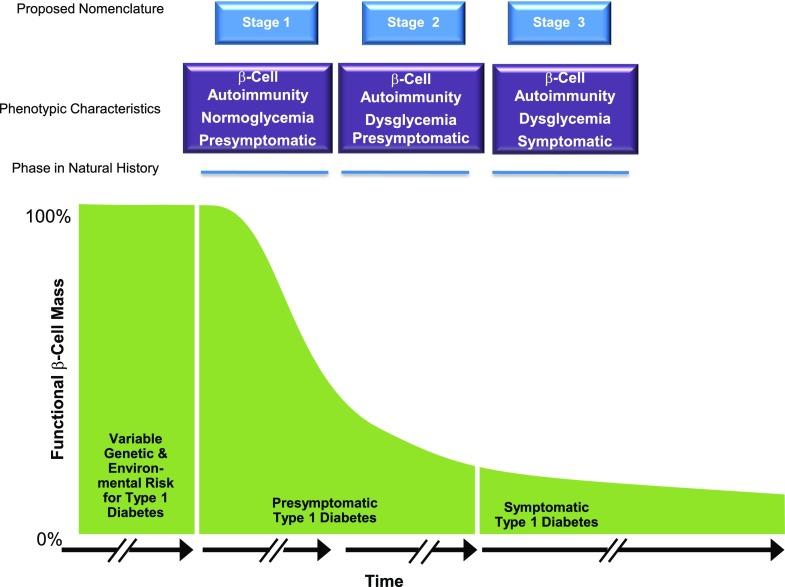
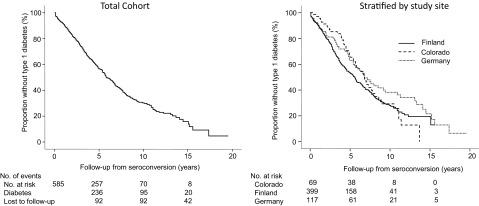
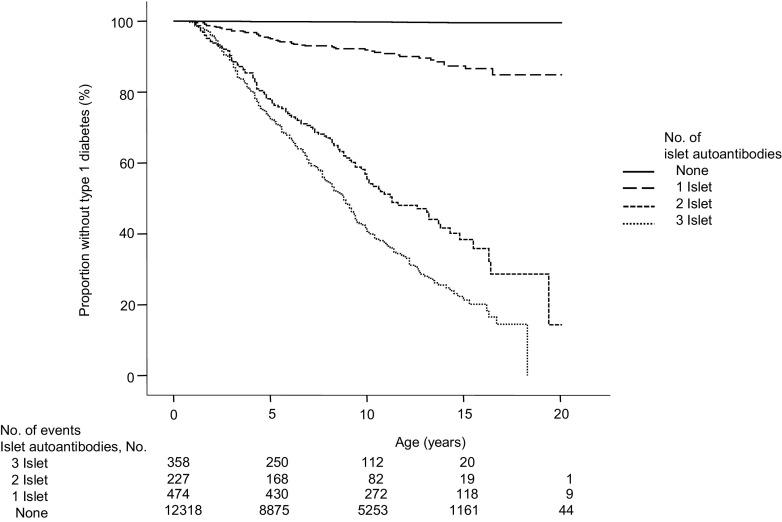
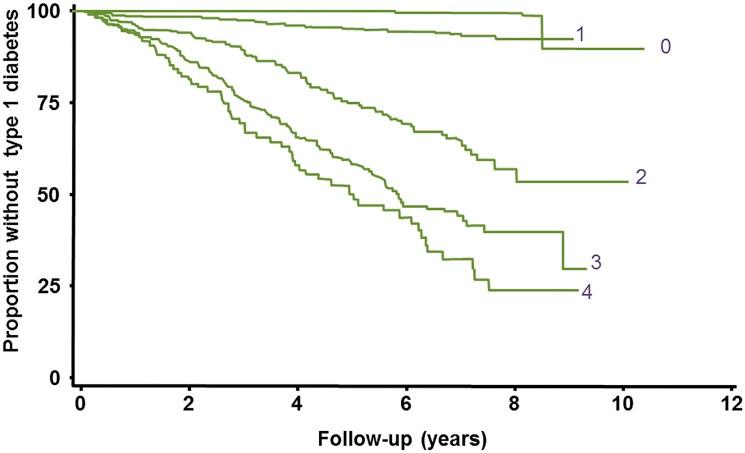
Insights from prospective, longitudinal studies of individuals at risk for developing type 1 diabetes have demonstrated that the disease is a continuum that progresses sequentially at variable but predictable rates through distinct identifiable stages prior to the onset of symptoms. Stage 1 is defined as the presence of β-cell autoimmunity as evidenced by the presence of two or more islet autoantibodies with normoglycemia and is presymptomatic, stage 2 as the presence of β-cell autoimmunity with dysglycemia and is presymptomatic, and stage 3 as onset of symptomatic disease. Adoption of this staging classification provides a standardized taxonomy for type 1 diabetes and will aid the development of therapies and the design of clinical trials to prevent symptomatic disease, promote precision medicine, and provide a framework for an optimized benefit/risk ratio that will impact regulatory approval, reimbursement, and adoption of interventions in the early stages of type 1 diabetes to prevent symptomatic disease.
对有患1型糖尿病风险的个体进行的前瞻性纵向研究表明,该疾病是一个连续过程,在症状出现之前,会以可变但可预测的速度依次经历不同的可识别阶段。阶段1定义为存在β细胞自身免疫,表现为有两种或更多种胰岛自身抗体且血糖正常,处于症状前期;阶段2为存在β细胞自身免疫且血糖异常,处于症状前期;阶段3为症状性疾病发作。采用这种分期分类为1型糖尿病提供了标准化的分类法,将有助于开发治疗方法和设计临床试验,以预防症状性疾病,促进精准医学,并提供一个优化效益/风险比的框架,这将影响监管批准、报销以及在1型糖尿病早期阶段采用干预措施以预防症状性疾病。
 Zotero 插件