
仙人掌茎片(仙人掌)的乳酸发酵产生具有抗氧化和抗炎特性的类黄酮衍生物。
Lactic Acid Fermentation of Cactus Cladodes (Opuntia ficus-indica L.) Generates Flavonoid Derivatives with Antioxidant and Anti-Inflammatory Properties.
作者信息
Filannino Pasquale, Cavoski Ivana, Thlien Nadia, Vincentini Olimpia, De Angelis Maria, Silano Marco, Gobbetti Marco, Di Cagno Raffaella
机构信息
Department of Soil, Plant and Food Science, University of Bari Aldo Moro, Bari, Italy.
CIHEAM-MAIB, Mediterranean Agronomic Institute of Bari, Valenzano, Bari, Italy.
出版信息
PLoS One. 2016 Mar 29;11(3):e0152575. doi: 10.1371/journal.pone.0152575. eCollection 2016.
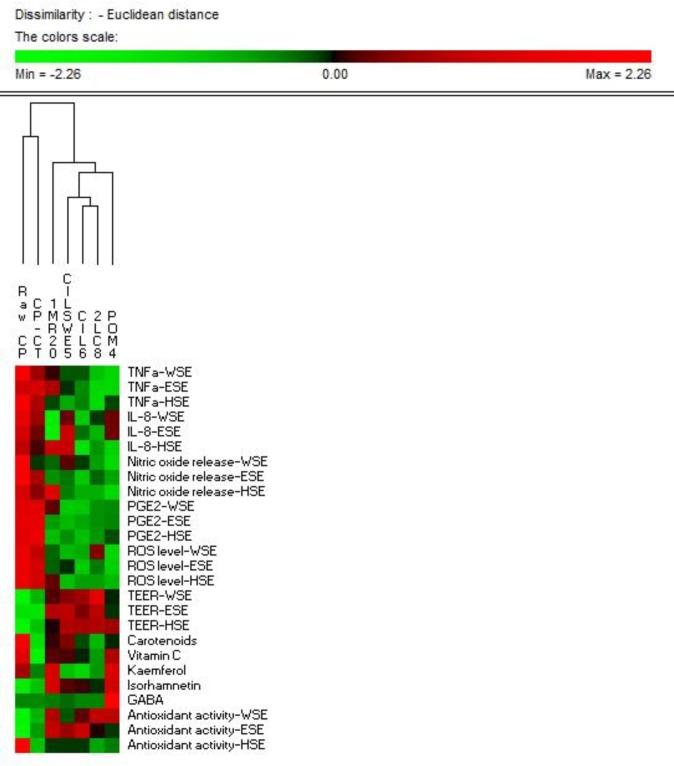
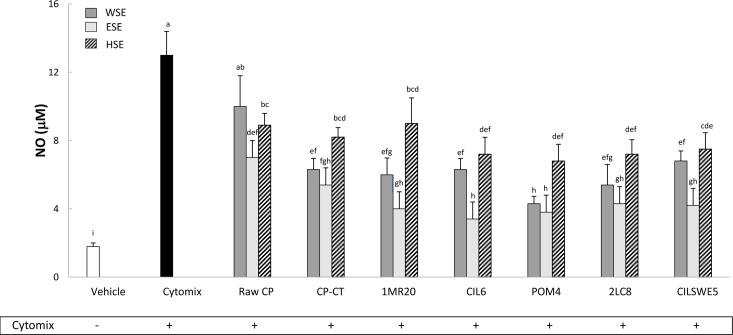
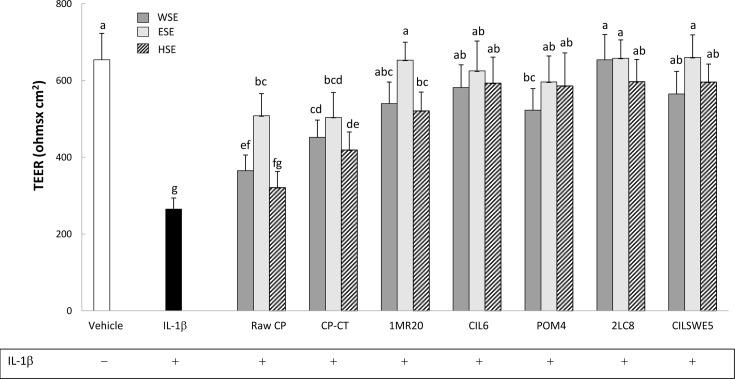
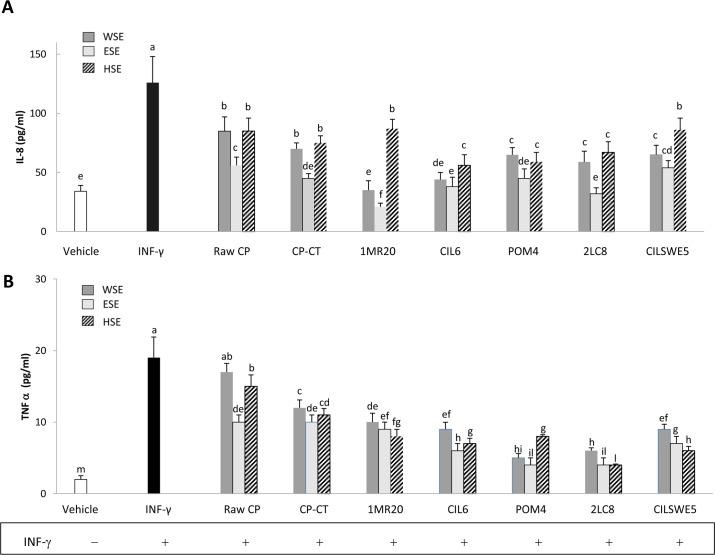
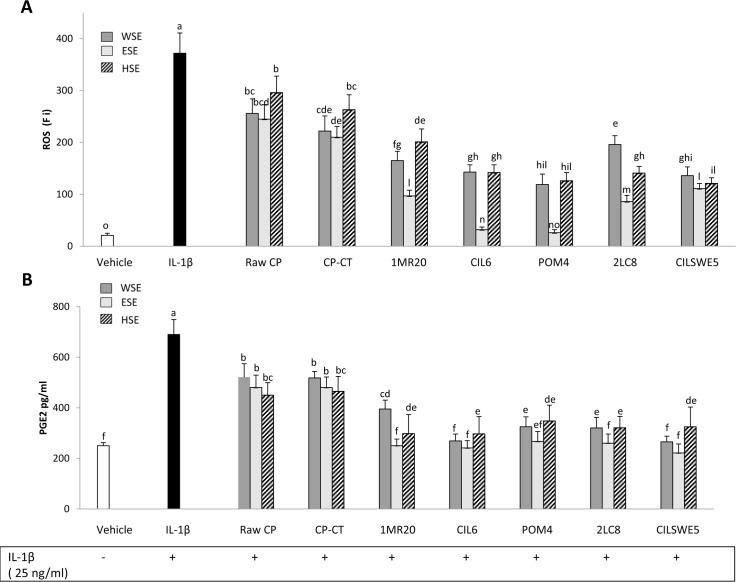
Cactus pear (Opuntia ficus-indica L.) is widely distributed in the arid and semi-arid regions throughout the world. In the last decades, the interest towards vegetative crop increased, and cladodes are exploited for nutraceutical and health-promoting properties. This study aimed at investigating the capacity of selected lactic acid bacteria to increase the antioxidant and anti-inflammatory properties of cactus cladodes pulp, with the perspective of producing a functional ingredient, dietary supplement or pharmaceutical preparation. Preliminarily, the antioxidant activity was determined through in vitro assays. Further, it was confirmed through ex vivo analysis on intestinal Caco-2/TC7 cells, and the profile of flavonoids was characterized. Cactus cladode pulp was fermented with lactic acid bacteria, which were previously selected from plant materials. Chemically acidified suspension, without bacterial inoculum and incubated under the same conditions, was used as the control. Lactobacillus plantarum CIL6, POM1 and 1MR20, Lactobacillus brevis POM2 and POM4, Lactobacillus rossiae 2LC8 and Pediococcus pentosaceus CILSWE5 were the best growing strains. Fermentation of cladode pulp with L. brevis POM2 and POM4 allowed the highest concentration of γ-amino butyric acid. Lactic acid fermentation had preservative effects (P<0.05) on the levels of vitamin C and carotenoids. Two flavonoid derivatives (kaemferol and isorhamnetin) were identified in the ethyl acetate extracts, which were considered to be the major compounds responsible for the increased radical scavenging activity. After inducing oxidative stress by IL-1β, the increased antioxidant activity (P<0.05) of fermented cladode pulp was confirmed using Caco-2/TC7 cells. Fermented cladode pulp had also immune-modulatory effects towards Caco-2 cells. Compared to the control, fermented cladode pulp exhibited a significantly (P<0.05) higher inhibition of IL-8, TNFα and prostaglandins PGE2 synthesis. The highest functional effect was found using ethyl acetate extracts. In conclusion, fermentation, especially with L. plantarum strains and L. brevis POM4, enhanced the antioxidant and immune-modulation features of cladode pulp.
仙人掌梨(仙人掌属的印度榕仙人掌)广泛分布于世界各地的干旱和半干旱地区。在过去几十年里,人们对营养作物的兴趣增加,其茎片因其营养保健和促进健康的特性而得到开发利用。本研究旨在研究选定的乳酸菌提高仙人掌茎片果肉抗氧化和抗炎特性的能力,以期生产出功能性成分、膳食补充剂或药物制剂。首先,通过体外试验测定抗氧化活性。此外,通过对肠道Caco-2/TC7细胞的体外分析进行了验证,并对黄酮类化合物的谱进行了表征。仙人掌茎片果肉用先前从植物材料中筛选出的乳酸菌进行发酵。将未接种细菌并在相同条件下孵育的化学酸化悬浮液用作对照。植物乳杆菌CIL6、POM1和1MR20、短乳杆菌POM2和POM4、罗西亚乳杆菌2LC8和戊糖片球菌CILSWE5是生长最好的菌株。用短乳杆菌POM2和POM4发酵茎片果肉可使γ-氨基丁酸浓度最高。乳酸发酵对维生素C和类胡萝卜素水平有保鲜作用(P<0.05)。在乙酸乙酯提取物中鉴定出两种黄酮类衍生物(山奈酚和异鼠李素),它们被认为是自由基清除活性增强的主要化合物。在用IL-1β诱导氧化应激后,使用Caco-2/TC7细胞证实了发酵茎片果肉抗氧化活性的增加(P<0.05)。发酵茎片果肉对Caco-2细胞也有免疫调节作用。与对照相比,发酵茎片果肉对IL-8、TNFα和前列腺素PGE2合成的抑制作用显著更高(P<0.05)。使用乙酸乙酯提取物发现其功能效果最佳。总之,发酵,尤其是用植物乳杆菌菌株和短乳杆菌POM4发酵,增强了茎片果肉的抗氧化和免疫调节特性。


 Zotero 插件