
一种广谱冠状病毒蛋白酶抑制剂可逆转猫致命性冠状病毒感染的进程。
Reversal of the Progression of Fatal Coronavirus Infection in Cats by a Broad-Spectrum Coronavirus Protease Inhibitor.
作者信息
Kim Yunjeong, Liu Hongwei, Galasiti Kankanamalage Anushka C, Weerasekara Sahani, Hua Duy H, Groutas William C, Chang Kyeong-Ok, Pedersen Niels C
机构信息
Department of Diagnostic Medicine and Pathobiology, College of Veterinary Medicine, Kansas State University, Manhattan, Kansas, United States of America.
Department of Medicine and Epidemiology, School of Veterinary Medicine, University of California at Davis, Davis, California, United States of America.
出版信息
PLoS Pathog. 2016 Mar 30;12(3):e1005531. doi: 10.1371/journal.ppat.1005531. eCollection 2016 Mar.
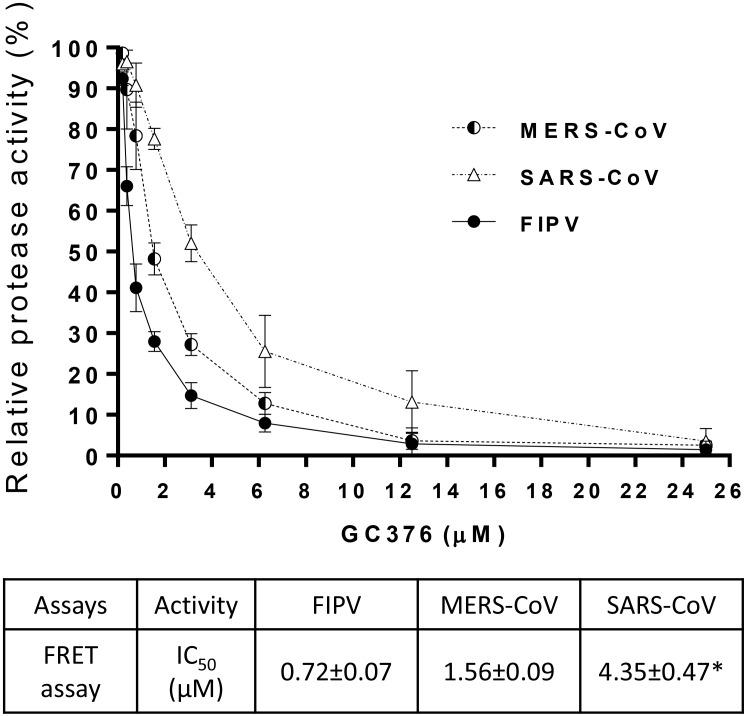
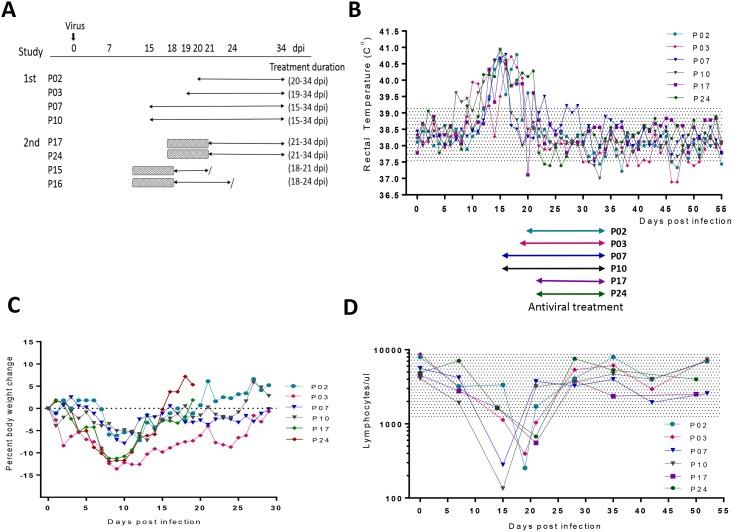
Coronaviruses infect animals and humans causing a wide range of diseases. The diversity of coronaviruses in many mammalian species is contributed by relatively high mutation and recombination rates during replication. This dynamic nature of coronaviruses may facilitate cross-species transmission and shifts in tissue or cell tropism in a host, resulting in substantial change in virulence. Feline enteric coronavirus (FECV) causes inapparent or mild enteritis in cats, but a highly fatal disease, called feline infectious peritonitis (FIP), can arise through mutation of FECV to FIP virus (FIPV). The pathogenesis of FIP is intimately associated with immune responses and involves depletion of T cells, features shared by some other coronaviruses like Severe Acute Respiratory Syndrome Coronavirus. The increasing risks of highly virulent coronavirus infections in humans or animals call for effective antiviral drugs, but no such measures are yet available. Previously, we have reported the inhibitors that target 3C-like protease (3CLpro) with broad-spectrum activity against important human and animal coronaviruses. Here, we evaluated the therapeutic efficacy of our 3CLpro inhibitor in laboratory cats with FIP. Experimental FIP is 100% fatal once certain clinical and laboratory signs become apparent. We found that antiviral treatment led to full recovery of cats when treatment was started at a stage of disease that would be otherwise fatal if left untreated. Antiviral treatment was associated with a rapid improvement in fever, ascites, lymphopenia and gross signs of illness and cats returned to normal health within 20 days or less of treatment. Significant reduction in viral titers was also observed in cats. These results indicate that continuous virus replication is required for progression of immune-mediated inflammatory disease of FIP. These findings may provide important insights into devising therapeutic strategies and selection of antiviral compounds for further development for important coronaviruses in animals and humans.
冠状病毒可感染动物和人类,引发多种疾病。许多哺乳动物物种中冠状病毒的多样性是由复制过程中相对较高的突变和重组率所致。冠状病毒的这种动态特性可能促进跨物种传播以及宿主中组织或细胞嗜性的转变,从而导致毒力发生显著变化。猫肠道冠状病毒(FECV)可在猫中引起隐性或轻度肠炎,但FECV突变为猫传染性腹膜炎病毒(FIPV)后可引发一种高度致命的疾病,即猫传染性腹膜炎(FIP)。FIP的发病机制与免疫反应密切相关,涉及T细胞耗竭,这是包括严重急性呼吸综合征冠状病毒在内的其他一些冠状病毒所共有的特征。人类或动物感染高毒力冠状病毒的风险不断增加,需要有效的抗病毒药物,但目前尚无此类药物。此前,我们报道了针对3C样蛋白酶(3CLpro)的抑制剂,该抑制剂对重要的人类和动物冠状病毒具有广谱活性。在此,我们评估了3CLpro抑制剂对患有FIP的实验猫的治疗效果。一旦某些临床和实验室体征明显出现,实验性FIP的致死率为100%。我们发现,在疾病的某个阶段开始抗病毒治疗,可使猫完全康复,否则若不治疗则会致命。抗病毒治疗与发热、腹水、淋巴细胞减少和疾病总体体征的迅速改善相关,且猫在治疗20天或更短时间内恢复正常健康。在猫中还观察到病毒滴度显著降低。这些结果表明,FIP免疫介导的炎症性疾病的进展需要病毒持续复制。这些发现可能为设计治疗策略以及选择抗病毒化合物以进一步开发用于动物和人类的重要冠状病毒提供重要见解。



 Zotero 插件