
1型和2型糖尿病中的骨骼代谢、骨折风险及骨折结局
Skeletal Metabolism, Fracture Risk, and Fracture Outcomes in Type 1 and Type 2 Diabetes.
作者信息
Sellmeyer Deborah E, Civitelli Roberto, Hofbauer Lorenz C, Khosla Sundeep, Lecka-Czernik Beata, Schwartz Ann V
机构信息
Division of Endocrinology, Diabetes, and Metabolism, Johns Hopkins University School of Medicine, Baltimore, MD
Division of Bone and Mineral Diseases, Washington University in St. Louis School of Medicine, St. Louis, MO.
出版信息
Diabetes. 2016 Jul;65(7):1757-66. doi: 10.2337/db16-0063.
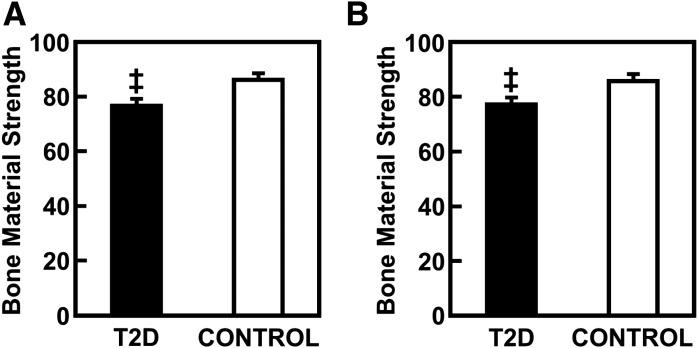
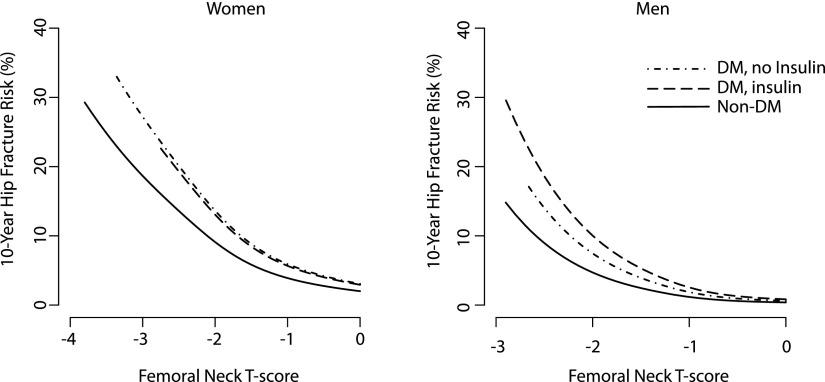
Fracture risk is significantly increased in both type 1 and type 2 diabetes, and individuals with diabetes experience worse fracture outcomes than normoglycemic individuals. Factors that increase fracture risk include lower bone mass in type 1 diabetes and compromised skeletal quality and strength despite preserved bone density in type 2 diabetes, as well as the effects of comorbidities such as diabetic macro- and microvascular complications. In this Perspective, we assess the developing scientific knowledge regarding the epidemiology and pathophysiology of skeletal fragility in patients with diabetes and the emerging data on the prediction, treatment, and outcomes of fractures in individuals with type 1 and type 2 diabetes.
1型和2型糖尿病患者的骨折风险均显著增加,糖尿病患者的骨折预后比血糖正常的个体更差。增加骨折风险的因素包括1型糖尿病患者骨量较低、2型糖尿病患者尽管骨密度正常但骨骼质量和强度受损,以及糖尿病大血管和微血管并发症等合并症的影响。在这篇观点文章中,我们评估了关于糖尿病患者骨骼脆弱性的流行病学和病理生理学的科学知识进展,以及1型和2型糖尿病患者骨折预测、治疗和预后的新数据。

 Zotero 插件