
一种用于内分泌优先排序的预测性数据驱动框架:以三唑类杀菌剂为例的研究
A predictive data-driven framework for endocrine prioritization: a triazole fungicide case study.
作者信息
Paul Friedman Katie, Papineni Sabitha, Marty M Sue, Yi Kun Don, Goetz Amber K, Rasoulpour Reza J, Kwiatkowski Pat, Wolf Douglas C, Blacker Ann M, Peffer Richard C
机构信息
a Human Safety, Bayer CropScience LP, Research Triangle Park , NC , USA ;
b Human Health Assessment, Dow AgroSciences LLC , Indianapolis , IN , USA ;
出版信息
Crit Rev Toxicol. 2016 Oct;46(9):785-833. doi: 10.1080/10408444.2016.1193722. Epub 2016 Jun 27.
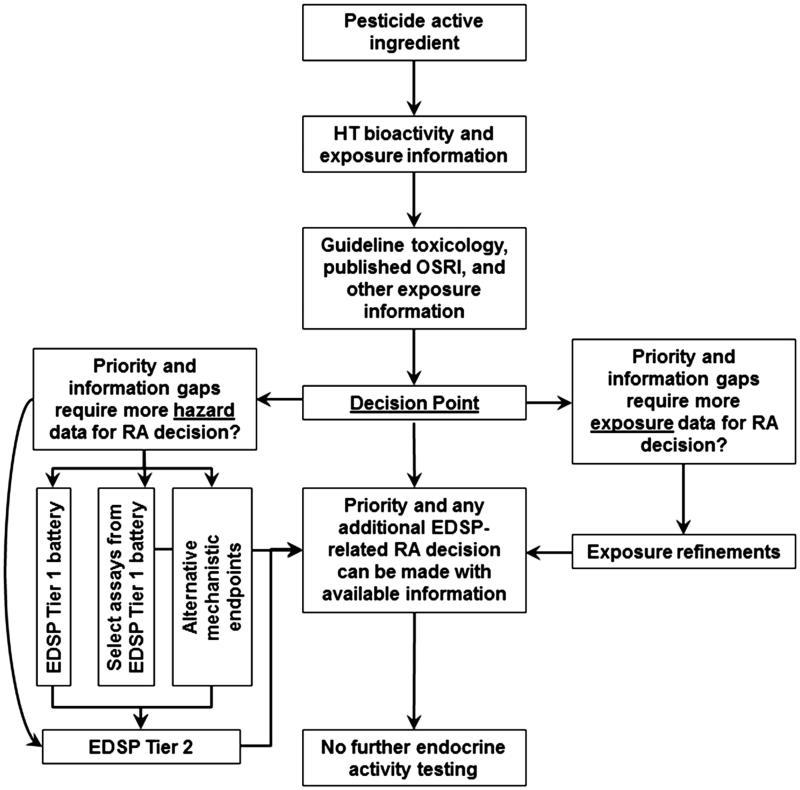
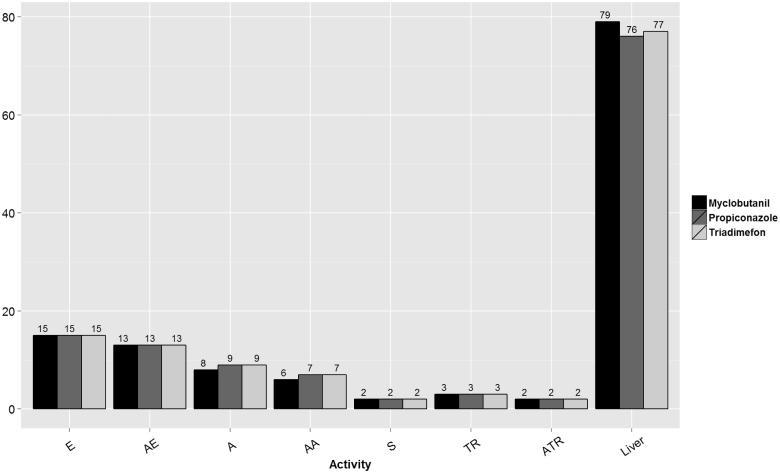
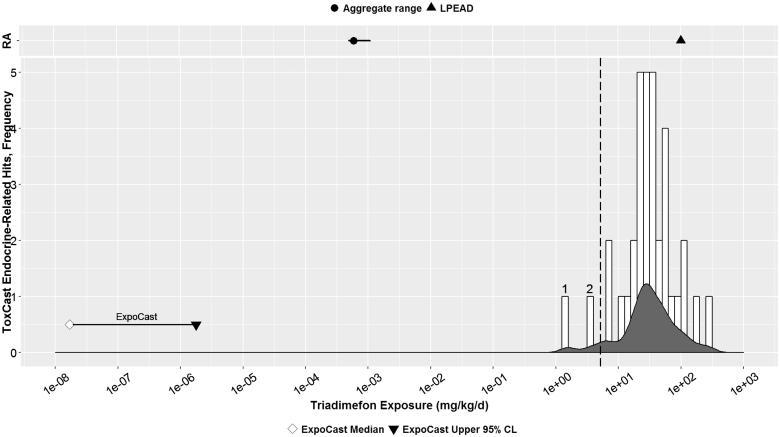
The US Environmental Protection Agency Endocrine Disruptor Screening Program (EDSP) is a tiered screening approach to determine the potential for a chemical to interact with estrogen, androgen, or thyroid hormone systems and/or perturb steroidogenesis. Use of high-throughput screening (HTS) to predict hazard and exposure is shifting the EDSP approach to (1) prioritization of chemicals for further screening; and (2) targeted use of EDSP Tier 1 assays to inform specific data needs. In this work, toxicology data for three triazole fungicides (triadimefon, propiconazole, and myclobutanil) were evaluated, including HTS results, EDSP Tier 1 screening (and other scientifically relevant information), and EPA guideline mammalian toxicology study data. The endocrine-related bioactivity predictions from HTS and information that satisfied the EDSP Tier 1 requirements were qualitatively concordant. Current limitations in the available HTS battery for thyroid and steroidogenesis pathways were mitigated by inclusion of guideline toxicology studies in this analysis. Similar margins (3-5 orders of magnitude) were observed between HTS-predicted human bioactivity and exposure values and between in vivo mammalian bioactivity and EPA chronic human exposure estimates for these products' registered uses. Combined HTS hazard and human exposure predictions suggest low priority for higher-tiered endocrine testing of these triazoles. Comparison with the mammalian toxicology database indicated that this HTS-based prioritization would have been protective for any potential in vivo effects that form the basis of current risk assessment for these chemicals. This example demonstrates an effective, human health protective roadmap for EDSP evaluation of pesticide active ingredients via prioritization using HTS and guideline toxicology information.
美国环境保护局内分泌干扰物筛选计划(EDSP)是一种分层筛选方法,用于确定一种化学物质与雌激素、雄激素或甲状腺激素系统相互作用和/或干扰类固醇生成的可能性。使用高通量筛选(HTS)来预测危害和暴露情况正在将EDSP方法转变为:(1)对化学物质进行优先级排序以进行进一步筛选;(2)有针对性地使用EDSP一级检测来了解特定的数据需求。在这项工作中,评估了三种三唑类杀菌剂(三唑酮、丙环唑和腈菌唑)的毒理学数据,包括高通量筛选结果、EDSP一级筛选(以及其他科学相关信息)和美国环保署指南中的哺乳动物毒理学研究数据。高通量筛选得出的内分泌相关生物活性预测结果与满足EDSP一级要求的信息在定性上是一致的。通过在该分析中纳入指南毒理学研究,减轻了目前甲状腺和类固醇生成途径高通量筛选组合中的局限性。在这些产品登记用途的高通量筛选预测的人体生物活性与暴露值之间以及体内哺乳动物生物活性与美国环保署慢性人体暴露估计值之间观察到了相似的幅度(3 - 5个数量级)。高通量筛选危害和人体暴露预测结果综合表明,对这些三唑类进行更高层级内分泌检测的优先级较低。与哺乳动物毒理学数据库的比较表明,这种基于高通量筛选的优先级排序对于构成这些化学品当前风险评估基础的任何潜在体内效应都具有保护作用。这个例子展示了一条通过使用高通量筛选和指南毒理学信息进行优先级排序,对农药活性成分进行EDSP评估的有效、保护人体健康的路线图。


 Zotero 插件