
间充质干细胞球体通过α2β1信号传导保留成骨表型。
Mesenchymal Stem Cell Spheroids Retain Osteogenic Phenotype Through α2β1 Signaling.
作者信息
Murphy Kaitlin C, Hoch Allison I, Harvestine Jenna N, Zhou Dejie, Leach J Kent
机构信息
Department of Biomedical Engineering, University of California, Davis, Davis, California, USA.
Department of Biomedical Engineering, University of California, Davis, Davis, California, USA Department of Orthopaedic Surgery, School of Medicine, University of California, Davis, Sacramento, California, USA
出版信息
Stem Cells Transl Med. 2016 Sep;5(9):1229-37. doi: 10.5966/sctm.2015-0412. Epub 2016 Jun 30.
UNLABELLED
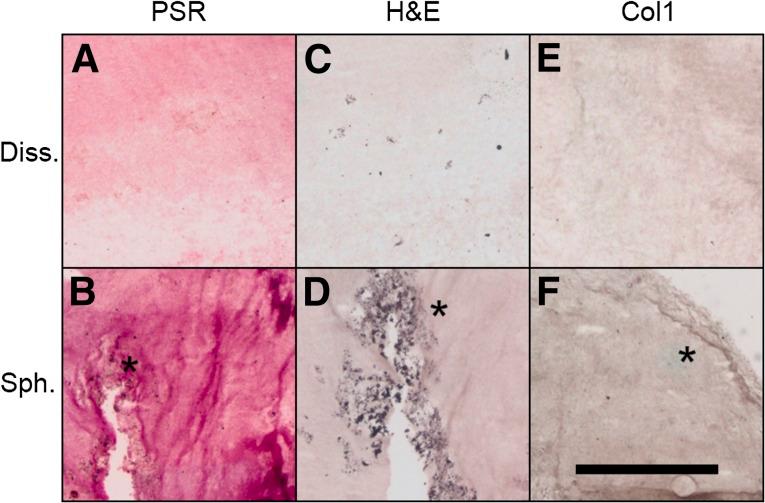
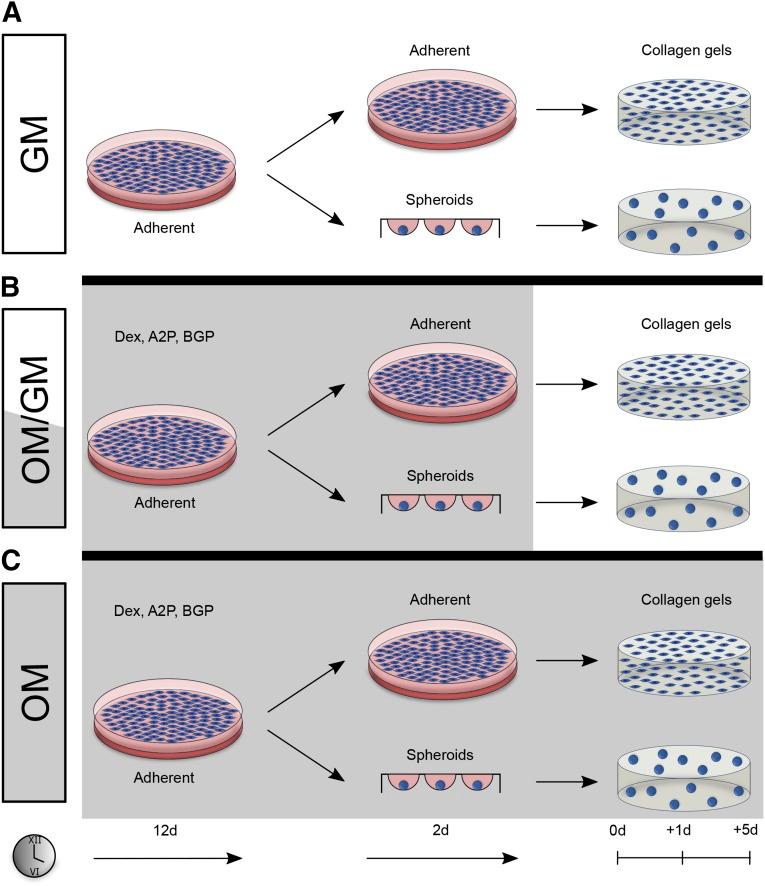
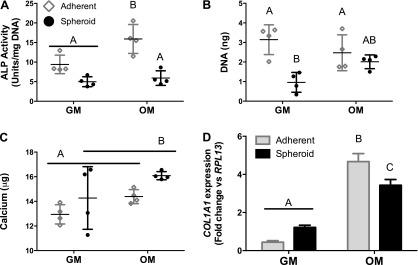
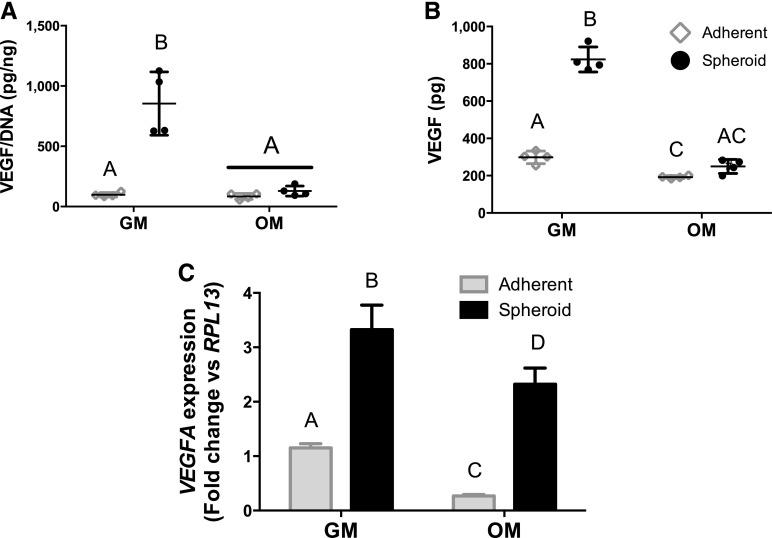
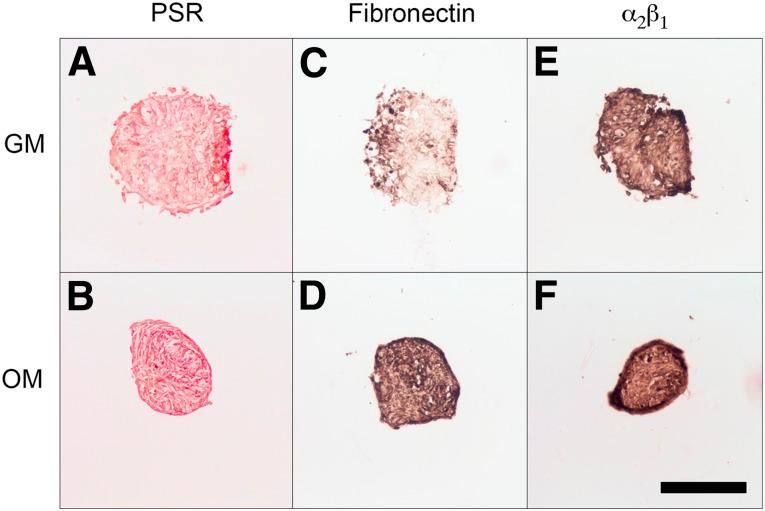
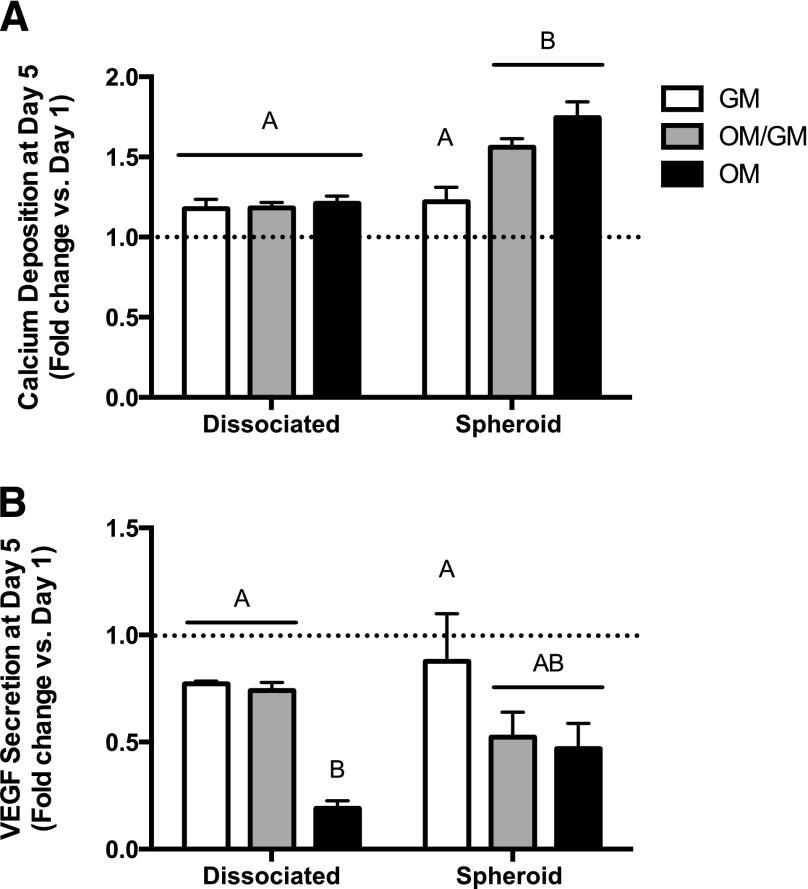
: The induction of mesenchymal stem cells (MSCs) toward the osteoblastic lineage using osteogenic supplements prior to implantation is one approach under examination to enhance their bone-forming potential. MSCs rapidly lose their induced phenotype upon removal of the soluble stimuli; however, their bone-forming potential can be sustained when provided with continued instruction via extracellular matrix (ECM) cues. In comparison with dissociated cells, MSC spheroids exhibit improved survival and secretion of trophic factors while maintaining their osteogenic potential. We hypothesized that entrapment of MSC spheroids formed from osteogenically induced cells would exhibit better preservation of their bone-forming potential than would dissociated cells from monolayer culture. Spheroids exhibited comparable osteogenic potential and increased proangiogenic potential with or without osteogenic preconditioning versus monolayer-cultured MSCs. Spheroids were then entrapped in collagen hydrogels, and the osteogenic stimulus was removed. In comparison with entrapped dissociated MSCs, spheroids exhibited significantly increased markers of osteogenic differentiation. The capacity of MSC spheroids to retain their osteogenic phenotype upon withdrawal of inductive cues was mediated by α2β1 integrin binding to cell-secreted ECM. These results demonstrate the capacity of spheroidal culture to sustain the mineral-producing phenotype of MSCs, thus enhancing their contribution toward bone formation and repair.
SIGNIFICANCE
Despite the promise of mesenchymal stem cells (MSCs) for cell-based therapies for tissue repair and regeneration, there is little evidence that transplanted MSCs directly contribute to new bone formation, suggesting that induced cells rapidly lose their osteogenic phenotype or undergo apoptosis. In comparison with dissociated cells, MSC spheroids exhibit increased trophic factor secretion and improved cell survival. The loss of phenotype represents a significant clinical challenge for cell therapies, yet there is no evidence for whether MSC spheroids retain their osteogenic phenotype upon entrapment in a clinically relevant biomaterial. These findings demonstrate that MSC spheroids retain their osteogenic phenotype better than do dissociated MSCs, and this is due to integrin engagement with the cell-secreted extracellular matrix. These data provide evidence for a novel approach for potentiating the use of MSCs in bone repair.
未标记
在植入前使用成骨补充剂将间充质干细胞(MSC)诱导为成骨谱系是一种正在研究的增强其骨形成潜力的方法。去除可溶性刺激后,MSC会迅速失去其诱导的表型;然而,当通过细胞外基质(ECM)信号提供持续的指令时,它们的骨形成潜力可以得到维持。与解离的细胞相比,MSC球体在维持其成骨潜力的同时,表现出更好的存活能力和营养因子分泌能力。我们假设,由成骨诱导细胞形成的MSC球体的包封将比单层培养的解离细胞表现出更好的骨形成潜力保存。与单层培养的MSC相比,无论是否进行成骨预处理,球体都表现出相当的成骨潜力和增加的促血管生成潜力。然后将球体包封在胶原水凝胶中,并去除成骨刺激。与包封的解离MSC相比,球体表现出明显增加的成骨分化标志物。MSC球体在去除诱导信号后保留其成骨表型的能力是由α2β1整合素与细胞分泌的ECM结合介导的。这些结果证明了球体培养维持MSC矿化表型的能力,从而增强了它们对骨形成和修复的贡献。
意义
尽管间充质干细胞(MSC)在基于细胞的组织修复和再生治疗中有前景,但几乎没有证据表明移植的MSC直接促进新骨形成,这表明诱导细胞迅速失去其成骨表型或发生凋亡。与解离的细胞相比,MSC球体表现出增加的营养因子分泌和改善的细胞存活。表型的丧失对细胞治疗来说是一个重大的临床挑战,但没有证据表明MSC球体在包封于临床相关生物材料中后是否保留其成骨表型。这些发现表明,MSC球体比解离的MSC更好地保留其成骨表型,这是由于整合素与细胞分泌的细胞外基质的相互作用。这些数据为增强MSC在骨修复中的应用的新方法提供了证据。

 Zotero 插件