
精准医学中基于组学的策略:代谢性遗传病研究范式的转变
Omics-Based Strategies in Precision Medicine: Toward a Paradigm Shift in Inborn Errors of Metabolism Investigations.
作者信息
Tebani Abdellah, Afonso Carlos, Marret Stéphane, Bekri Soumeya
机构信息
Department of Metabolic Biochemistry, Rouen University Hospital, 76031 Rouen, France.
Normandie University, UNIROUEN, INSERM, CHU Rouen, Laboratoire NeoVasc ERI28, 76000 Rouen, France.
出版信息
Int J Mol Sci. 2016 Sep 14;17(9):1555. doi: 10.3390/ijms17091555.
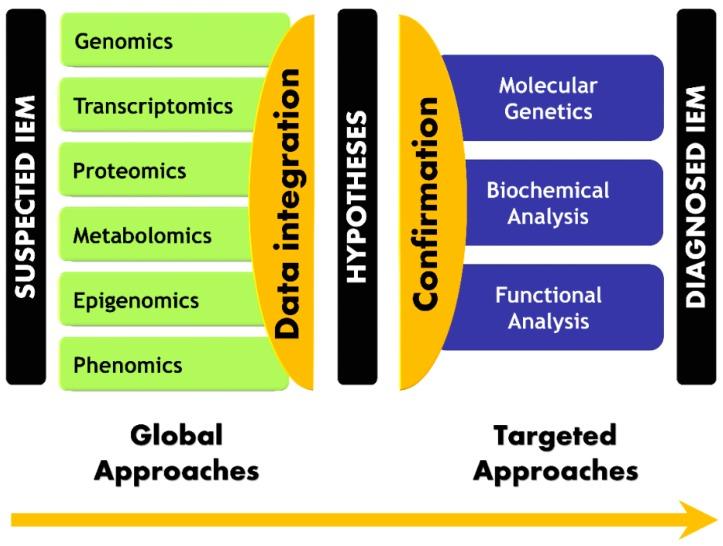
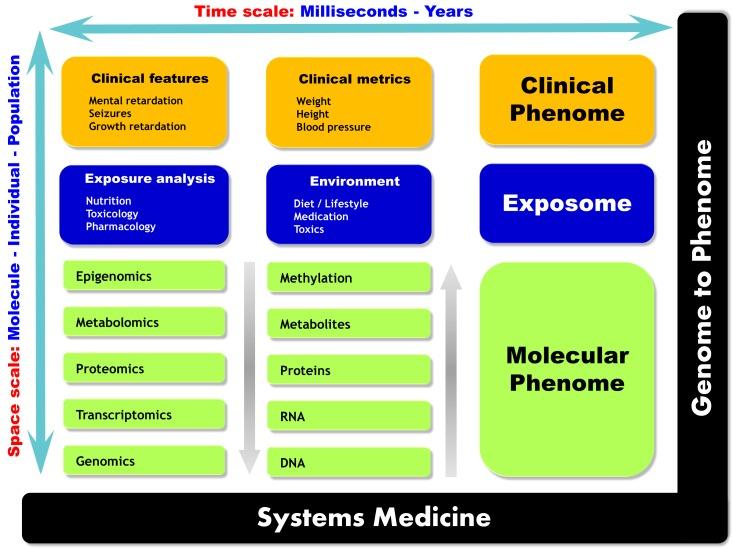
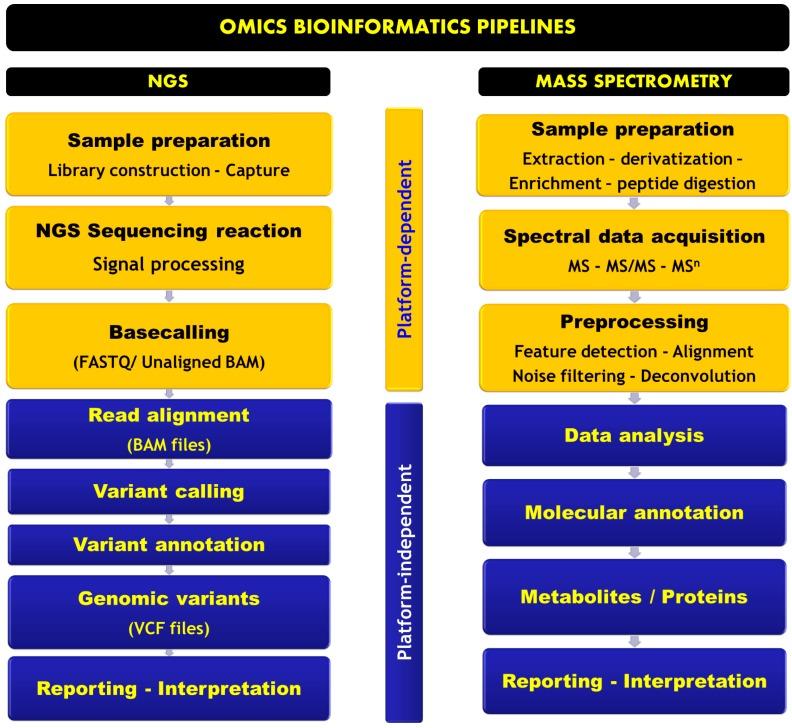
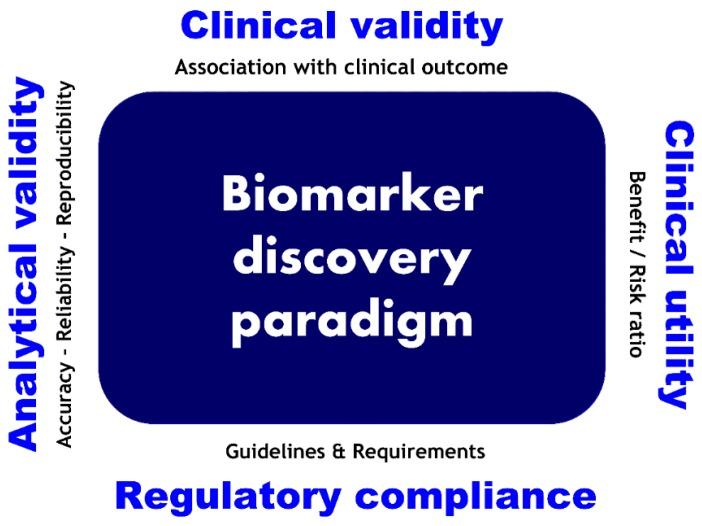
The rise of technologies that simultaneously measure thousands of data points represents the heart of systems biology. These technologies have had a huge impact on the discovery of next-generation diagnostics, biomarkers, and drugs in the precision medicine era. Systems biology aims to achieve systemic exploration of complex interactions in biological systems. Driven by high-throughput omics technologies and the computational surge, it enables multi-scale and insightful overviews of cells, organisms, and populations. Precision medicine capitalizes on these conceptual and technological advancements and stands on two main pillars: data generation and data modeling. High-throughput omics technologies allow the retrieval of comprehensive and holistic biological information, whereas computational capabilities enable high-dimensional data modeling and, therefore, accessible and user-friendly visualization. Furthermore, bioinformatics has enabled comprehensive multi-omics and clinical data integration for insightful interpretation. Despite their promise, the translation of these technologies into clinically actionable tools has been slow. In this review, we present state-of-the-art multi-omics data analysis strategies in a clinical context. The challenges of omics-based biomarker translation are discussed. Perspectives regarding the use of multi-omics approaches for inborn errors of metabolism (IEM) are presented by introducing a new paradigm shift in addressing IEM investigations in the post-genomic era.
能够同时测量数千个数据点的技术的兴起,代表了系统生物学的核心。这些技术在精准医学时代对新一代诊断方法、生物标志物和药物的发现产生了巨大影响。系统生物学旨在对生物系统中的复杂相互作用进行系统探索。在高通量组学技术和计算能力飞速发展的推动下,它能够对细胞、生物体和群体进行多尺度且有深刻见解的概述。精准医学利用了这些概念和技术进步,基于两个主要支柱:数据生成和数据建模。高通量组学技术能够获取全面且整体的生物信息,而计算能力则实现了高维数据建模,从而实现了易于理解且用户友好的可视化。此外,生物信息学实现了全面的多组学和临床数据整合,以便进行有深刻见解的解读。尽管这些技术前景广阔,但将其转化为临床可操作工具的进程却很缓慢。在这篇综述中,我们展示了临床背景下的最新多组学数据分析策略。讨论了基于组学的生物标志物转化面临的挑战。通过介绍在后基因组时代解决先天性代谢缺陷(IEM)研究中的新范式转变,阐述了关于使用多组学方法研究IEM的观点。
 Zotero 插件