
猫冠状病毒:猫传染性腹膜炎的发病机制
Feline Coronaviruses: Pathogenesis of Feline Infectious Peritonitis.
作者信息
Tekes G, Thiel H-J
机构信息
Institute of Virology, Faculty of Veterinary Medicine, Justus Liebig University Giessen, Giessen, Germany.
Institute of Virology, Faculty of Veterinary Medicine, Justus Liebig University Giessen, Giessen, Germany.
出版信息
Adv Virus Res. 2016;96:193-218. doi: 10.1016/bs.aivir.2016.08.002. Epub 2016 Aug 31.
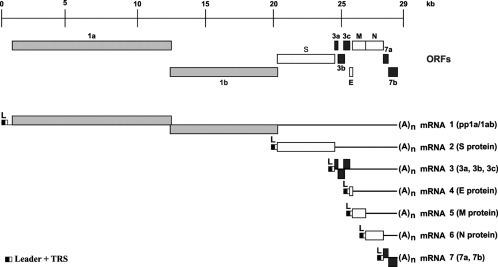
Feline infectious peritonitis (FIP) belongs to the few animal virus diseases in which, in the course of a generally harmless persistent infection, a virus acquires a small number of mutations that fundamentally change its pathogenicity, invariably resulting in a fatal outcome. The causative agent of this deadly disease, feline infectious peritonitis virus (FIPV), arises from feline enteric coronavirus (FECV). The review summarizes our current knowledge of the genome and proteome of feline coronaviruses (FCoVs), focusing on the viral surface (spike) protein S and the five accessory proteins. We also review the current classification of FCoVs into distinct serotypes and biotypes, cellular receptors of FCoVs and their presumed role in viral virulence, and discuss other aspects of FIPV-induced pathogenesis. Our current knowledge of genetic differences between FECVs and FIPVs has been mainly based on comparative sequence analyses that revealed "discriminatory" mutations that are present in FIPVs but not in FECVs. Most of these mutations result in amino acid substitutions in the S protein and these may have a critical role in the switch from FECV to FIPV. In most cases, the precise roles of these mutations in the molecular pathogenesis of FIP have not been tested experimentally in the natural host, mainly due to the lack of suitable experimental tools including genetically engineered virus mutants. We discuss the recent progress in the development of FCoV reverse genetics systems suitable to generate recombinant field viruses containing appropriate mutations for in vivo studies.
猫传染性腹膜炎(FIP)属于少数几种动物病毒疾病,在通常无害的持续性感染过程中,病毒发生少量突变,从根本上改变其致病性,最终总是导致致命后果。这种致命疾病的病原体,猫传染性腹膜炎病毒(FIPV),源自猫肠道冠状病毒(FECV)。本综述总结了我们目前对猫冠状病毒(FCoV)基因组和蛋白质组的认识,重点关注病毒表面(刺突)蛋白S和五种辅助蛋白。我们还综述了FCoV目前分为不同血清型和生物型的分类、FCoV的细胞受体及其在病毒毒力中的假定作用,并讨论了FIPV诱导发病机制的其他方面。我们目前对FECV和FIPV之间遗传差异的认识主要基于比较序列分析,这些分析揭示了FIPV中存在但FECV中不存在的“鉴别性”突变。这些突变大多导致S蛋白中的氨基酸替换,这些替换可能在从FECV转变为FIPV的过程中起关键作用。在大多数情况下,这些突变在FIP分子发病机制中的精确作用尚未在天然宿主中进行实验测试,主要是由于缺乏合适的实验工具,包括基因工程病毒突变体。我们讨论了FCoV反向遗传学系统开发的最新进展,该系统适合产生含有适当突变的重组野毒株用于体内研究。
 Zotero 插件