
白色念珠菌生物膜基质对金黄色葡萄球菌的共生性抗菌保护作用
Commensal Protection of Staphylococcus aureus against Antimicrobials by Candida albicans Biofilm Matrix.
作者信息
Kong Eric F, Tsui Christina, Kucharíková Sona, Andes David, Van Dijck Patrick, Jabra-Rizk Mary Ann
机构信息
Graduate Program in Life Sciences, Molecular Microbiology and Immunology Program, University of Maryland, Baltimore, Maryland, USA Department of Microbiology and Immunology, School of Medicine, University of Maryland, Baltimore, Maryland, USA Department of Oncology and Diagnostic Sciences, Dental School, University of Maryland, Baltimore, Maryland, USA.
Department of Oncology and Diagnostic Sciences, Dental School, University of Maryland, Baltimore, Maryland, USA.
出版信息
mBio. 2016 Oct 11;7(5):e01365-16. doi: 10.1128/mBio.01365-16.
UNLABELLED
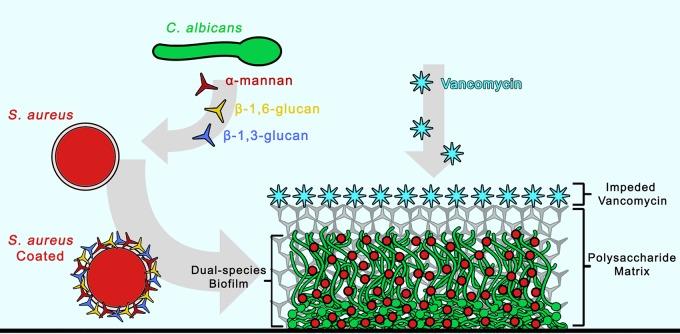
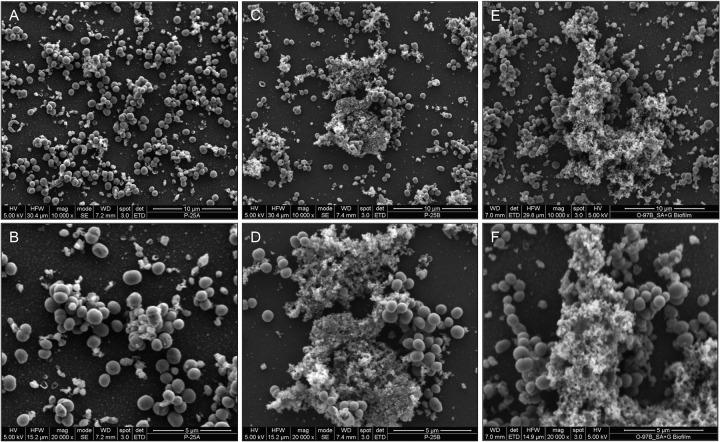
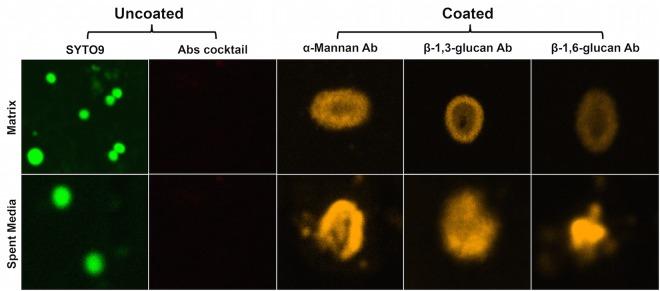
Biofilm-associated polymicrobial infections, particularly those involving fungi and bacteria, are responsible for significant morbidity and mortality and tend to be challenging to treat. Candida albicans and Staphylococcus aureus specifically are considered leading opportunistic fungal and bacterial pathogens, respectively, mainly due to their ability to form biofilms on catheters and indwelling medical devices. However, the impact of mixed-species biofilm growth on therapy remains largely understudied. In this study, we investigated the influence of C. albicans secreted cell wall polysaccharides on the response of S. aureus to antibacterial agents in biofilm. Results demonstrated significantly enhanced tolerance for S. aureus to drugs in the presence of C. albicans or its secreted cell wall polysaccharide material. Fluorescence confocal time-lapse microscopy revealed impairment of drug diffusion through the mixed biofilm matrix. Using C. albicans mutant strains with modulated cell wall polysaccharide expression, exogenous supplementation, and enzymatic degradation, the C. albicans-secreted β-1,3-glucan cell wall component was identified as the key matrix constituent providing the bacteria with enhanced drug tolerance. Further, antibody labeling demonstrated rapid coating of the bacteria by the C. albicans matrix material. Importantly, via its effect on the fungal biofilm matrix, the antifungal caspofungin sensitized the bacteria to the drugs. Understanding such symbiotic interactions with clinical relevance between microbial species in biofilms will greatly aid in overcoming the limitations of current therapies and in defining potential new targets for treating polymicrobial infections.
IMPORTANCE
The fungus Candida albicans and the bacterium Staphylococcus aureus are important microbial pathogens responsible for the majority of infections in hospitalized patients and are often coisolated from a host. In this study, we demonstrated that when grown together, the fungus provides the bacterium with enhanced tolerance to antimicrobial drugs. This process was mediated by polysaccharides secreted by the fungal cell into the environment. The biofilm matrix formed by these polysaccharides prevented penetration by the drugs and provided the bacteria with protection. Importantly, we show that by inhibiting the production of the fungal polysaccharides, a specific antifungal agent indirectly sensitized the bacteria to antimicrobials. Understanding the therapeutic implications of the interactions between these two diverse microbial species will aid in overcoming the limitations of current therapies and in defining new targets for treating complex polymicrobial infections.
未标记
生物膜相关的多微生物感染,尤其是涉及真菌和细菌的感染,会导致严重的发病和死亡,且往往难以治疗。白色念珠菌和金黄色葡萄球菌分别被视为主要的机会性真菌和细菌病原体,主要是因为它们能够在导管和植入式医疗设备上形成生物膜。然而,混合物种生物膜生长对治疗的影响在很大程度上仍未得到充分研究。在本研究中,我们调查了白色念珠菌分泌的细胞壁多糖对金黄色葡萄球菌在生物膜中对抗菌剂反应的影响。结果表明,在存在白色念珠菌或其分泌的细胞壁多糖物质的情况下,金黄色葡萄球菌对药物的耐受性显著增强。荧光共聚焦延时显微镜显示药物在混合生物膜基质中的扩散受损。使用细胞壁多糖表达受到调控的白色念珠菌突变菌株、外源补充和酶降解,确定白色念珠菌分泌的β-1,3-葡聚糖细胞壁成分是为细菌提供增强药物耐受性的关键基质成分。此外,抗体标记显示白色念珠菌基质材料能快速包裹细菌。重要的是,通过其对真菌生物膜基质的作用,抗真菌药物卡泊芬净使细菌对药物敏感。了解生物膜中微生物物种之间这种具有临床相关性的共生相互作用,将极大地有助于克服当前治疗方法的局限性,并确定治疗多微生物感染的潜在新靶点。
重要性
真菌白色念珠菌和细菌金黄色葡萄球菌是导致住院患者大多数感染的重要微生物病原体,并且经常从宿主中共同分离出来。在本研究中,我们证明,当它们共同生长时,真菌会使细菌对抗菌药物的耐受性增强。这一过程由真菌细胞分泌到环境中的多糖介导。这些多糖形成的生物膜基质阻止了药物的渗透,并为细菌提供了保护。重要的是,我们表明,通过抑制真菌多糖的产生,一种特定的抗真菌药物会间接使细菌对抗菌药物敏感。了解这两种不同微生物物种之间相互作用的治疗意义,将有助于克服当前治疗方法的局限性,并确定治疗复杂多微生物感染的新靶点。




 Zotero 插件