
抗SMASH数据库,一个微生物次级代谢产物生物合成基因簇的综合数据库。
The antiSMASH database, a comprehensive database of microbial secondary metabolite biosynthetic gene clusters.
作者信息
Blin Kai, Medema Marnix H, Kottmann Renzo, Lee Sang Yup, Weber Tilmann
机构信息
The Novo Nordisk Foundation Center for Biosustainability, Technical University of Denmark, 2800 Kgs. Lyngby, Denmark.
Bioinformatics Group, Wageningen University, 6708 PB Wageningen, The Netherlands.
出版信息
Nucleic Acids Res. 2017 Jan 4;45(D1):D555-D559. doi: 10.1093/nar/gkw960. Epub 2016 Oct 24.
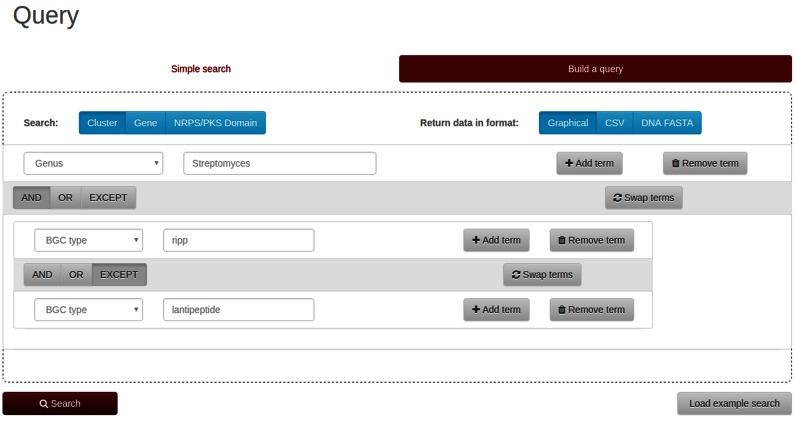
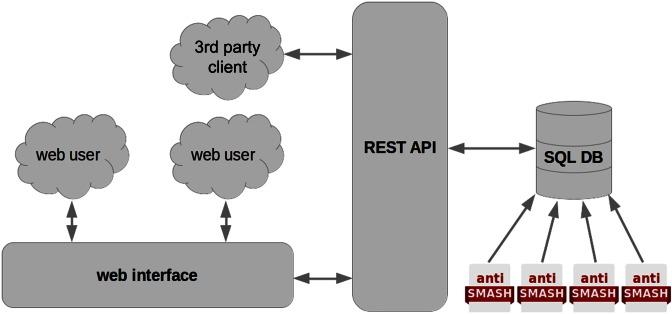
Secondary metabolites produced by microorganisms are the main source of bioactive compounds that are in use as antimicrobial and anticancer drugs, fungicides, herbicides and pesticides. In the last decade, the increasing availability of microbial genomes has established genome mining as a very important method for the identification of their biosynthetic gene clusters (BGCs). One of the most popular tools for this task is antiSMASH. However, so far, antiSMASH is limited to de novo computing results for user-submitted genomes and only partially connects these with BGCs from other organisms. Therefore, we developed the antiSMASH database, a simple but highly useful new resource to browse antiSMASH-annotated BGCs in the currently 3907 bacterial genomes in the database and perform advanced search queries combining multiple search criteria. antiSMASH-DB is available at http://antismash-db.secondarymetabolites.org/.
微生物产生的次级代谢产物是用作抗菌和抗癌药物、杀真菌剂、除草剂及杀虫剂的生物活性化合物的主要来源。在过去十年中,微生物基因组的可得性不断增加,使得基因组挖掘成为鉴定其生物合成基因簇(BGCs)的一种非常重要的方法。用于此任务的最流行工具之一是antiSMASH。然而,到目前为止,antiSMASH仅限于对用户提交的基因组进行从头计算结果,并且仅将这些结果与来自其他生物体的BGCs部分关联起来。因此,我们开发了antiSMASH数据库,这是一个简单但非常有用的新资源,可用于浏览数据库中当前3907个细菌基因组中经antiSMASH注释的BGCs,并执行结合多个搜索标准的高级搜索查询。antiSMASH-DB可在http://antismash-db.secondarymetabolites.org/获取。

 Zotero 插件