
体内丙烯酰胺暴露可能通过其代谢产物环氧丙酰胺对小鼠卵母细胞造成严重毒性。
In Vivo acrylamide exposure may cause severe toxicity to mouse oocytes through its metabolite glycidamide.
作者信息
Aras Duru, Cakar Zeynep, Ozkavukcu Sinan, Can Alp, Cinar Ozgur
机构信息
Laboratories for Stem Cells and Reproductive Biology, Department of Histology and Embryology, Ankara University School of Medicine, Sihhiye, Ankara, Turkey.
Centre for Assisted Reproduction, Department of Obstetrics and Gynecology, Ankara University School of Medicine, Cebeci, Ankara, Turkey.
出版信息
PLoS One. 2017 Feb 9;12(2):e0172026. doi: 10.1371/journal.pone.0172026. eCollection 2017.
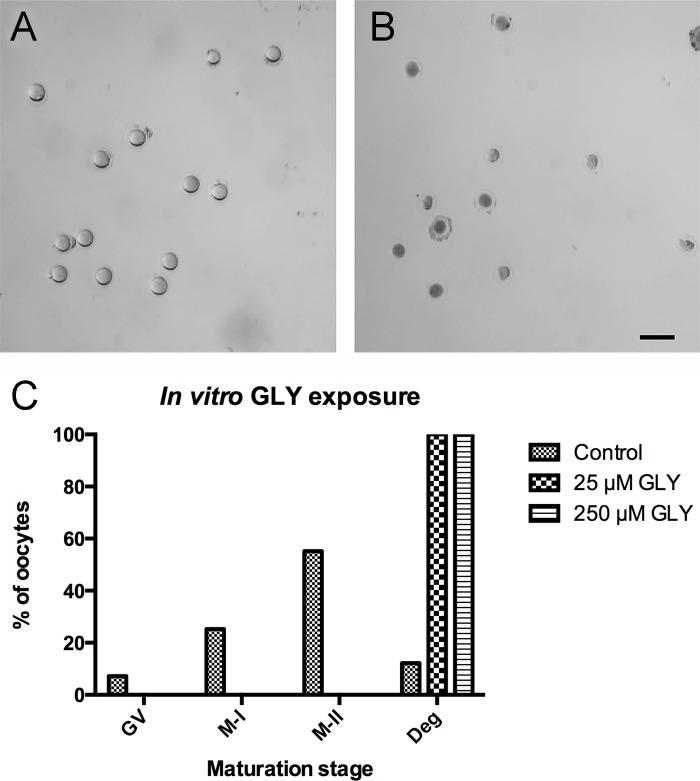
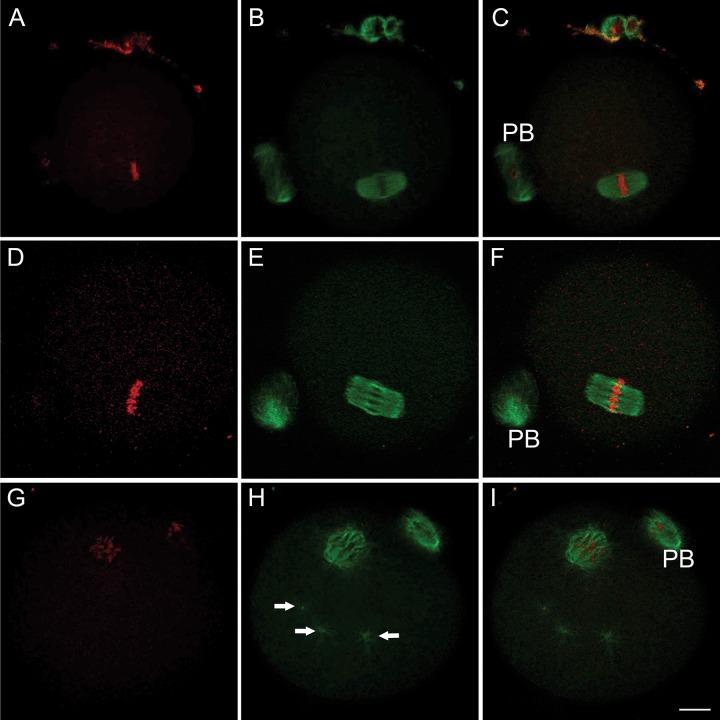
High acrylamide (ACR) content in heat-processed carbohydrate-rich foods, as well as roasted products such as coffee, almonds etc., has been found to be as a risk factor for carcinogenicity and genotoxicity by The World Health Organization. Glycidamide (GLY), the epoxide metabolite of ACR, is processed by the cytochrome P-450 enzyme system and has also been found to be a genotoxic agent. The aim of this study was to determine whether ACR and/or GLY have any detrimental effect on the meiotic cell division of oocytes. For this purpose, germinal vesicle-stage mouse oocytes were treated with 0, 100, 500, or 1000 μM ACR or 0, 25, or 250 μM GLY in vitro. In vivo experiments were performed after an intraperitoneal injection of 25 mg/kg/day ACR of female BALB/c mice for 7 days. The majority of in vitro ACR-treated oocytes reached the metaphase-II stage following 18 hours of incubation, which was not significantly different from the control group. Maturation of the oocytes derived from in vivo ACR-treated mice was impaired significantly. Oocytes, reaching the M-II stage in the in vivo ACR-treated group, were characterized by a decrease in meiotic spindle mass and an increase in chromosomal disruption. In vitro GLY treatment resulted in the degeneration of all oocytes, indicating that ACR toxicity on female germ cells may occur through its metabolite, GLY. Thus, ACR exposure must be considered, together with its metabolite GLY, when female fertility is concerned.
世界卫生组织发现,富含碳水化合物的热处理食品以及咖啡、杏仁等烘焙产品中丙烯酰胺(ACR)含量高,是致癌性和基因毒性的一个风险因素。ACR的环氧化物代谢产物缩水甘油酰胺(GLY)由细胞色素P - 450酶系统进行处理,也被发现是一种基因毒性剂。本研究的目的是确定ACR和/或GLY是否对卵母细胞的减数分裂细胞分裂有任何有害影响。为此,在体外将生发泡期小鼠卵母细胞用0、100、500或1000μM的ACR或0、25或250μM的GLY进行处理。对雌性BALB/c小鼠腹腔注射25mg/kg/天的ACR,持续7天,之后进行体内实验。大多数体外经ACR处理的卵母细胞在培养18小时后达到中期II期,这与对照组没有显著差异。体内经ACR处理的小鼠所产生的卵母细胞成熟受到显著损害。在体内经ACR处理的组中达到M-II期的卵母细胞的特征是减数分裂纺锤体质量减少和染色体断裂增加。体外GLY处理导致所有卵母细胞退化,表明ACR对雌性生殖细胞的毒性可能通过其代谢产物GLY发生。因此,在考虑女性生育能力时,必须同时考虑ACR及其代谢产物GLY的暴露情况。


 Zotero 插件