
间充质干细胞用于软骨修复与再生的研究:一项系统综述。
The use of mesenchymal stem cells for cartilage repair and regeneration: a systematic review.
作者信息
Goldberg Andy, Mitchell Katrina, Soans Julian, Kim Louise, Zaidi Razi
机构信息
Institute of Orthopaedics and Musculoskeletal Science, Royal National Orthopaedic Hospital (RNOH), Brockley Hill Stanmore, London, HA7 4LP, UK.
Joint Research and Enterprise Office, St George's University of London and St George's University Hospitals NHS Foundation Trust, Hunter Wing, Cranmer Terrace, London, SW17 0RE, UK.
出版信息
J Orthop Surg Res. 2017 Mar 9;12(1):39. doi: 10.1186/s13018-017-0534-y.
BACKGROUND
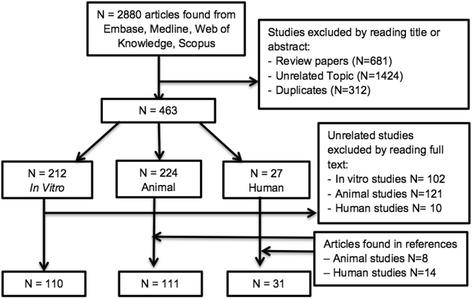
The management of articular cartilage defects presents many clinical challenges due to its avascular, aneural and alymphatic nature. Bone marrow stimulation techniques, such as microfracture, are the most frequently used method in clinical practice however the resulting mixed fibrocartilage tissue which is inferior to native hyaline cartilage. Other methods have shown promise but are far from perfect. There is an unmet need and growing interest in regenerative medicine and tissue engineering to improve the outcome for patients requiring cartilage repair. Many published reviews on cartilage repair only list human clinical trials, underestimating the wealth of basic sciences and animal studies that are precursors to future research. We therefore set out to perform a systematic review of the literature to assess the translation of stem cell therapy to explore what research had been carried out at each of the stages of translation from bench-top (in vitro), animal (pre-clinical) and human studies (clinical) and assemble an evidence-based cascade for the responsible introduction of stem cell therapy for cartilage defects. This review was conducted in accordance to PRISMA guidelines using CINHAL, MEDLINE, EMBASE, Scopus and Web of Knowledge databases from 1st January 1900 to 30th June 2015. In total, there were 2880 studies identified of which 252 studies were included for analysis (100 articles for in vitro studies, 111 studies for animal studies; and 31 studies for human studies). There was a huge variance in cell source in pre-clinical studies both of terms of animal used, location of harvest (fat, marrow, blood or synovium) and allogeneicity. The use of scaffolds, growth factors, number of cell passages and number of cells used was hugely heterogeneous.
SHORT CONCLUSIONS
This review offers a comprehensive assessment of the evidence behind the translation of basic science to the clinical practice of cartilage repair. It has revealed a lack of connectivity between the in vitro, pre-clinical and human data and a patchwork quilt of synergistic evidence. Drivers for progress in this space are largely driven by patient demand, surgeon inquisition and a regulatory framework that is learning at the same pace as new developments take place.
背景
由于关节软骨缺损具有无血管、无神经和无淋巴管的特性,其治疗面临诸多临床挑战。骨髓刺激技术,如微骨折术,是临床实践中最常用的方法,然而所形成的混合纤维软骨组织质量低于天然透明软骨。其他方法虽显示出一定前景,但远非完美。再生医学和组织工程在改善软骨修复患者的治疗效果方面存在未满足的需求且关注度日益增加。许多已发表的关于软骨修复的综述仅列出人体临床试验,低估了作为未来研究先驱的大量基础科学和动物研究。因此,我们着手对文献进行系统综述,以评估干细胞治疗的转化情况,探究从实验台(体外)、动物(临床前)到人体研究(临床)各个转化阶段所开展的研究,并为软骨缺损的干细胞治疗的合理引入构建基于证据的流程。本综述按照PRISMA指南,使用CINHAL、MEDLINE、EMBASE、Scopus和Web of Knowledge数据库,检索时间为1900年1月1日至2015年6月30日。共识别出2880项研究,其中252项研究纳入分析(100篇体外研究文章、111项动物研究、31项人体研究)。临床前研究中的细胞来源在所用动物、采集部位(脂肪、骨髓、血液或滑膜)和同种异体性方面差异巨大。支架、生长因子的使用、细胞传代次数和所用细胞数量也存在极大异质性。
简短结论
本综述全面评估了从基础科学转化到软骨修复临床实践背后的证据。它揭示了体外、临床前和人体数据之间缺乏连贯性以及协同证据拼凑的情况。该领域进展的驱动力很大程度上由患者需求、外科医生的探究以及与新进展同步发展的监管框架所推动。
 Zotero 插件