
印度注射技术研究:人群特征与注射操作
Indian Injection Technique Study: Population Characteristics and Injection Practices.
作者信息
Kalra Sanjay, Mithal Ambrish, Sahay Rakesh, John Mathew, Unnikrishnan A G, Saboo Banshi, Ghosh Sujoy, Sanyal Debmalya, Hirsch Laurence J, Gupta Vandita, Strauss Kenneth W
机构信息
Bharti Hospital, Kunjpura Road, Karnal, India.
Medanta the Medicity, CH Baktawar Singh Road, Sector 38, Gurgaon, Haryana, India.
出版信息
Diabetes Ther. 2017 Jun;8(3):637-657. doi: 10.1007/s13300-017-0243-x. Epub 2017 Mar 13.
INTRODUCTION
It was estimated that 3.2 million Indians with diabetes injected insulin in 2010, but little is known about the techniques used.
METHODS
In 2015 we conducted an injection technique questionnaire (ITQ) survey throughout India involving 1011 patients. Indian values were compared with those from 41 other countries participating in the ITQ, known here as rest of world (ROW).
RESULTS
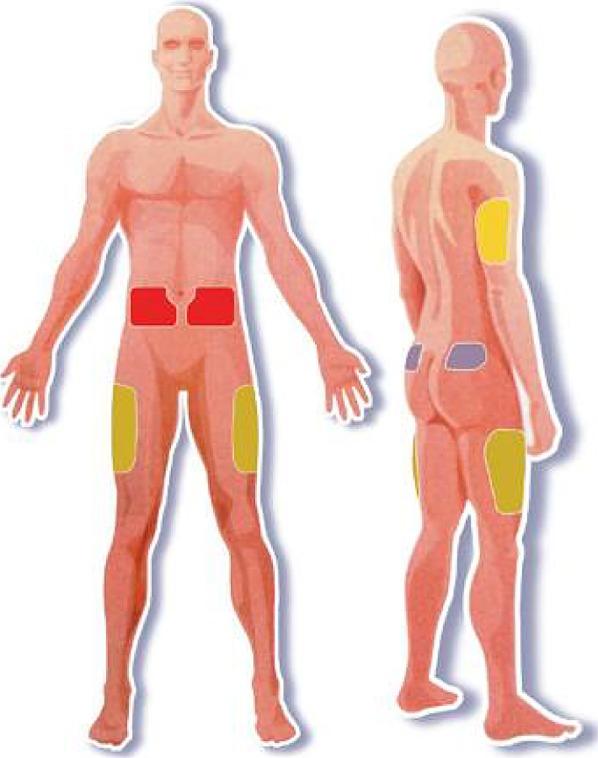
Mean HbA1c was 8.6. BMI values in India were 1.5-3 units lower than in ROW depending on patient group, meaning the risk of intramuscular (IM) injections is high in India. The mean total daily dose (TDD) of insulin was lower in every category of Indian patient than in ROW, perhaps reflecting the lower BMI. Needle reuse, whether with pens or syringes, is much higher in India than ROW and so is the number of times the needle is used. The majority (56.8%) of Indian insulin users performed only 2 injections/day as opposed to ROW where 45% of patients performed at least 4 injections/day. Indian patients inject insulin in the thighs more often than patients in ROW, a site where IM injections are more risky. Many patients do not have proper access to sharps containers or have other risk factors that could lead to blood-borne pathogen spread. More than 60% of used sharps in India go into the rubbish, with nearly 12% not even having the minimum protection of a cap.
DISCUSSION
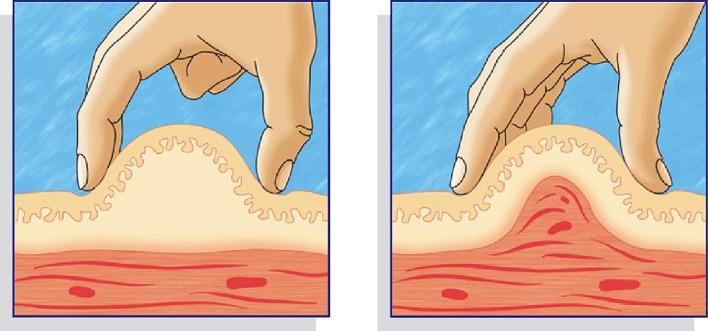
The shortest needles are very common in India; however, the level of needle reuse is high. Multiple daily injections therapy is not as common in India as ROW. More focus needs to be given to dwell times under the skin, reconstitution of cloudy insulins, skinfolds, and safe sharps disposal.
引言
据估计,2010年有320万印度糖尿病患者注射胰岛素,但对于他们所采用的注射技术却知之甚少。
方法
2015年,我们在印度各地对1011名患者进行了一项注射技术问卷调查(ITQ)。将印度患者的数据与参与ITQ的其他41个国家(此处称为世界其他地区,即ROW)的患者数据进行比较。
结果
平均糖化血红蛋白(HbA1c)为8.6。根据患者群体不同,印度患者的体重指数(BMI)值比ROW低1.5至3个单位,这意味着在印度肌肉注射(IM)的风险较高。印度各类患者的胰岛素每日总剂量(TDD)均低于ROW,这可能反映出BMI较低。在印度,无论是使用胰岛素笔还是注射器,针头重复使用的情况都比ROW高得多,针头使用次数也是如此。大多数(56.8%)印度胰岛素使用者每天仅注射2次,而ROW有45%的患者每天至少注射4次。与ROW患者相比,印度患者更多地在大腿注射胰岛素,而在该部位进行IM注射的风险更高。许多患者无法妥善使用锐器盒,或存在其他可能导致血源性病原体传播的风险因素。印度超过60%的用过的锐器被扔进垃圾中,近12%甚至连最基本的盖帽保护都没有。
讨论
最短的针头在印度非常普遍;然而,针头重复使用的程度很高。在印度,多次每日注射疗法不如ROW普遍。需要更多地关注皮下停留时间、中效胰岛素的复溶、皮褶以及锐器的安全处置。
 Zotero 插件