
通过线粒体功能障碍加剧炎症衰老:机制与分子靶点
Fueling Inflamm-Aging through Mitochondrial Dysfunction: Mechanisms and Molecular Targets.
作者信息
Picca Anna, Lezza Angela Maria Serena, Leeuwenburgh Christiaan, Pesce Vito, Calvani Riccardo, Landi Francesco, Bernabei Roberto, Marzetti Emanuele
机构信息
Department of Geriatrics, Neuroscience and Orthopedics, Catholic University of the Sacred Heart School of Medicine, 00168 Rome, Italy.
Department of Biosciences, Biotechnology and Biopharmaceutics, University of Bari, 70125 Bari, Italy.
出版信息
Int J Mol Sci. 2017 Apr 28;18(5):933. doi: 10.3390/ijms18050933.
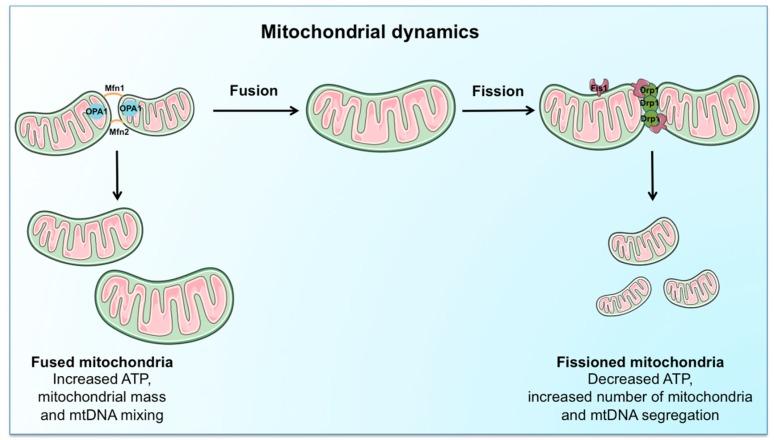
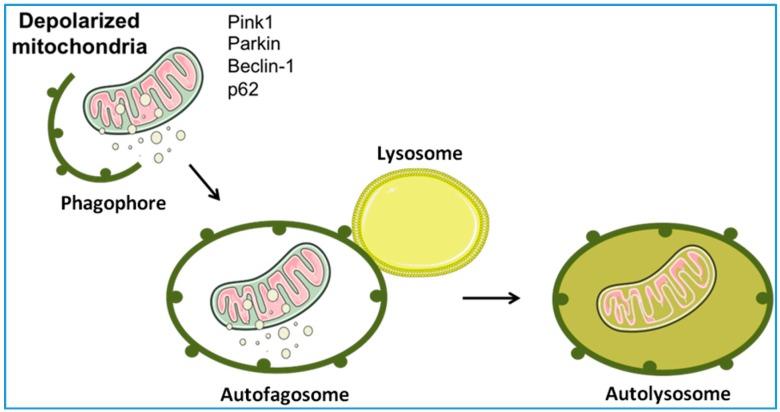
Among the complex determinants of aging, mitochondrial dysfunction has been in the spotlight for a long time. As the hub for many cellular functions, the maintenance of an adequate pool of functional mitochondria is crucial for tissue homeostasis. Their unique role in energy supply makes these organelles essential, especially in those tissues strictly dependent on oxidative metabolism. Mitochondrial quality control (MQC) is ensured by pathways related to protein folding and degradation as well as by processes involving the entire organelle, such as biogenesis, dynamics, and mitophagy. Dysfunctional MQC, oxidative stress and inflammation are hallmarks of senescence and chronic degenerative diseases. One of the consequences of age-related failing MQC and oxidative stress is the release of mitochondria-derived damage-associated molecular patterns (DAMPs). Through their bacterial ancestry, these molecules contribute to mounting an inflammatory response by interacting with receptors similar to those involved in pathogen-associated responses. Mitochondrial DAMPs, especially cell-free mitochondrial DNA, have recently become the subject of intensive research because of their possible involvement in conditions associated with inflammation, such as aging and degenerative diseases. Here, we review the contribution of mitochondrial DAMPs to inflammation and discuss some of the mechanisms at the basis of their generation.
在衰老的复杂决定因素中,线粒体功能障碍长期以来一直备受关注。作为许多细胞功能的核心,维持足够数量的功能性线粒体对于组织稳态至关重要。它们在能量供应中的独特作用使这些细胞器必不可少,尤其是在那些严格依赖氧化代谢的组织中。线粒体质量控制(MQC)通过与蛋白质折叠和降解相关的途径以及涉及整个细胞器的过程(如生物发生、动力学和线粒体自噬)来确保。功能失调的MQC、氧化应激和炎症是衰老和慢性退行性疾病的标志。与年龄相关的MQC功能衰退和氧化应激的后果之一是线粒体衍生的损伤相关分子模式(DAMPs)的释放。由于它们的细菌起源,这些分子通过与类似于参与病原体相关反应的受体相互作用,促进炎症反应的发生。线粒体DAMPs,尤其是游离的线粒体DNA,由于其可能参与与炎症相关的疾病(如衰老和退行性疾病),最近成为深入研究的对象。在这里,我们综述了线粒体DAMPs对炎症的作用,并讨论了其产生的一些机制。


 Zotero 插件