
转录谱分析将组蛋白乙酰化定义为疟原虫从人传播至蚊子过程中基因表达的调节因子。
Transcriptional Profiling Defines Histone Acetylation as a Regulator of Gene Expression during Human-to-Mosquito Transmission of the Malaria Parasite .
作者信息
Ngwa Che J, Kiesow Meike J, Papst Olga, Orchard Lindsey M, Filarsky Michael, Rosinski Alina N, Voss Till S, Llinás Manuel, Pradel Gabriele
机构信息
Division of Cellular and Applied Infection Biology, RWTH Aachen UniversityAachen, Germany.
Department of Biochemistry and Molecular Biology, The Pennsylvania State UniversityUniversity Park, PA, United States.
出版信息
Front Cell Infect Microbiol. 2017 Jul 24;7:320. doi: 10.3389/fcimb.2017.00320. eCollection 2017.
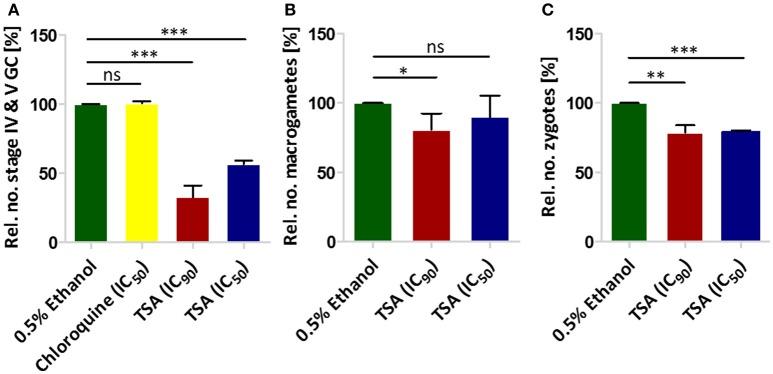
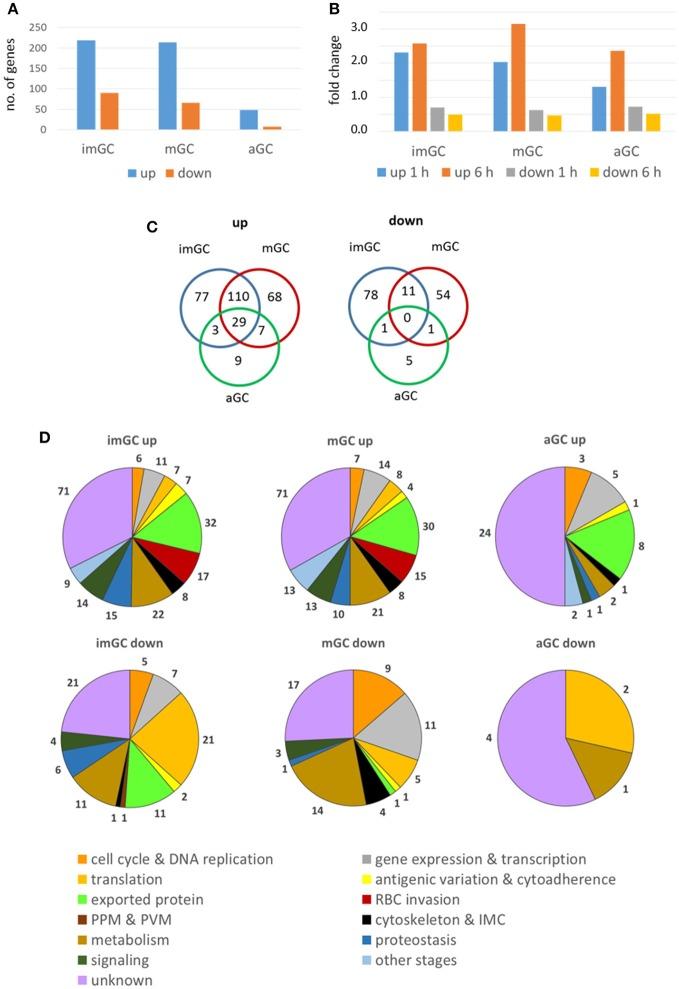
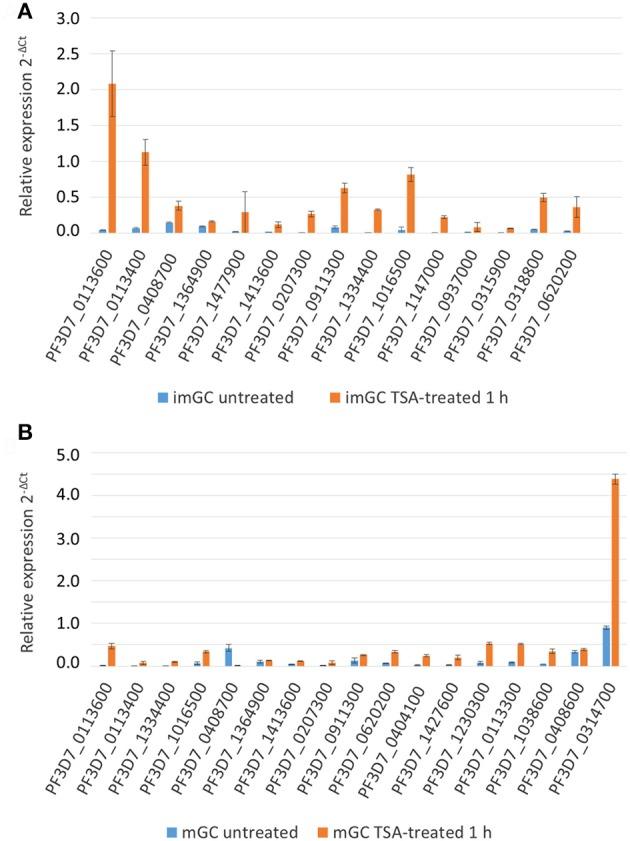
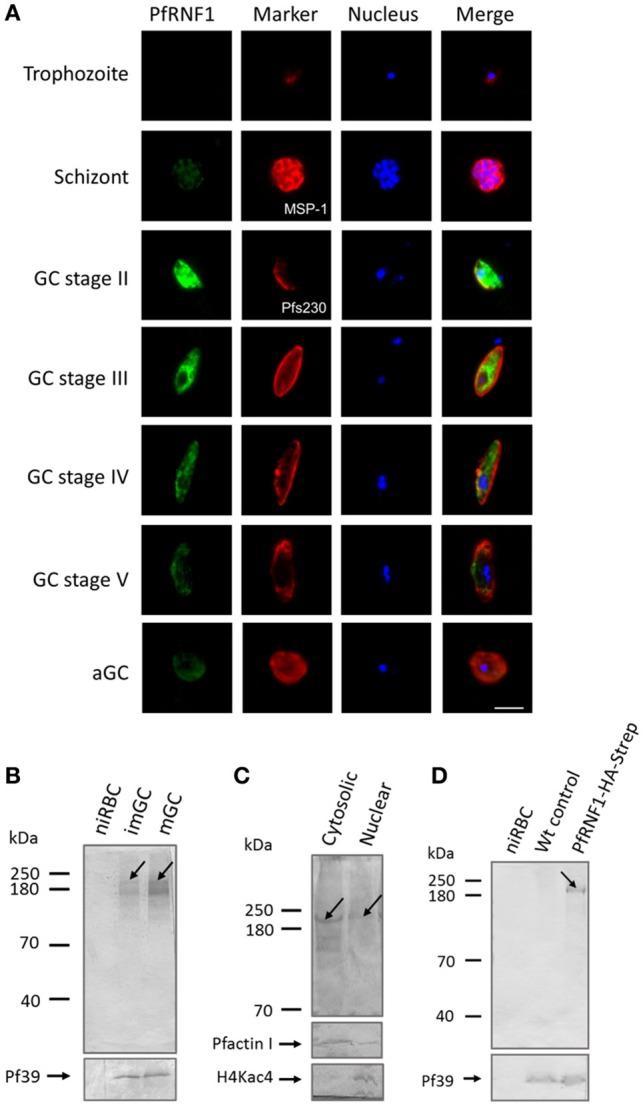
Transmission of the malaria parasite from the human to the mosquito is mediated by the intraerythrocytic gametocytes, which, once taken up during a blood meal, become activated to initiate sexual reproduction. Because gametocytes are the only parasite stages able to establish an infection in the mosquito, they are crucial for spreading the tropical disease. During gametocyte maturation, different repertoires of genes are switched on and off in a well-coordinated sequence, pointing to regulatory mechanisms of gene expression. While epigenetic gene control has been studied during erythrocytic schizogony of , little is known about this process during human-to-mosquito transmission of the parasite. To unveil the potential role of histone acetylation during gene expression in gametocytes, we carried out a microarray-based transcriptome analysis on gametocytes treated with the histone deacetylase inhibitor trichostatin A (TSA). TSA-treatment impaired gametocyte maturation and lead to histone hyper-acetylation in these stages. Comparative transcriptomics identified 294 transcripts, which were more than 2-fold up-regulated during gametocytogenesis following TSA-treatment. In activated gametocytes, which were less sensitive to TSA, the transcript levels of 48 genes were increased. TSA-treatment further led to repression of ~145 genes in immature and mature gametocytes and 7 genes in activated gametocytes. Up-regulated genes are mainly associated with functions in invasion, cytoadherence, and protein export, while down-regulated genes could particularly be assigned to transcription and translation. Chromatin immunoprecipitation demonstrated a link between gene activation and histone acetylation for selected genes. Among the genes up-regulated in TSA-treated mature gametocytes was a gene encoding the ring finger (RING)-domain protein PfRNF1, a putative E3 ligase of the ubiquitin-mediated signaling pathway. Immunochemistry demonstrated PfRNF1 expression mainly in the sexual stages of with peak expression in stage II gametocytes, where the protein localized to the nucleus and cytoplasm. promoter and coding regions associated with acetylated histones, and TSA-treatment resulted in increased PfRNF1 levels. Our combined data point to an essential role of histone acetylation for gene regulation in gametocytes, which can be exploited for malaria transmission-blocking interventions.
疟原虫从人类传播到蚊子是由红细胞内的配子体介导的,配子体在血液进食过程中被摄取后,会被激活以启动有性繁殖。由于配子体是唯一能够在蚊子体内建立感染的寄生虫阶段,它们对于传播这种热带疾病至关重要。在配子体成熟过程中,不同的基因库会按照协调良好的顺序开启和关闭,这表明存在基因表达的调控机制。虽然在疟原虫红细胞内裂体增殖过程中已经研究了表观遗传基因控制,但对于寄生虫从人类传播到蚊子的过程中这一过程知之甚少。为了揭示组蛋白乙酰化在配子体基因表达过程中的潜在作用,我们对用组蛋白去乙酰化酶抑制剂曲古抑菌素A(TSA)处理的配子体进行了基于微阵列的转录组分析。TSA处理损害了配子体成熟,并导致这些阶段的组蛋白高度乙酰化。比较转录组学鉴定出294个转录本,在TSA处理后的配子体发生过程中,这些转录本上调了2倍以上。在对TSA不太敏感的活化配子体中,48个基因的转录水平增加。TSA处理还导致未成熟和成熟配子体中约145个基因以及活化配子体中7个基因受到抑制。上调的基因主要与入侵、细胞粘附和蛋白质输出功能相关,而下调的基因尤其可归因于转录和翻译。染色质免疫沉淀证明了所选基因的基因激活与组蛋白乙酰化之间的联系。在TSA处理的成熟配子体中上调的基因中,有一个编码环状结构域蛋白PfRNF1的基因,它是泛素介导信号通路的一种假定E3连接酶。免疫化学表明PfRNF1主要在疟原虫的有性阶段表达,在II期配子体中表达峰值最高,该蛋白定位于细胞核和细胞质。PfRNF1启动子和编码区与乙酰化组蛋白相关,TSA处理导致PfRNF1水平升高。我们的综合数据表明组蛋白乙酰化在配子体基因调控中起着至关重要的作用,这可用于疟疾传播阻断干预措施。



 Zotero 插件