
深度递归神经网络在人体活动识别中的应用。
Deep Recurrent Neural Networks for Human Activity Recognition.
机构信息
Department of Information Communication Engineering, Chosun University, 375 Susuk-dong, Dong-gu, Gwangju 501-759, Korea.
出版信息
Sensors (Basel). 2017 Nov 6;17(11):2556. doi: 10.3390/s17112556.
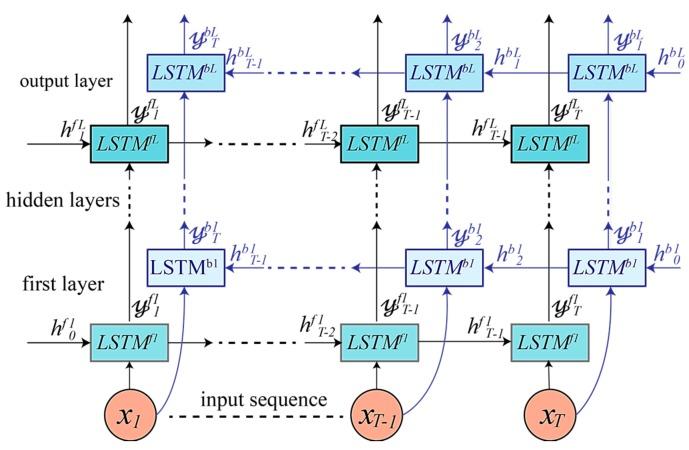
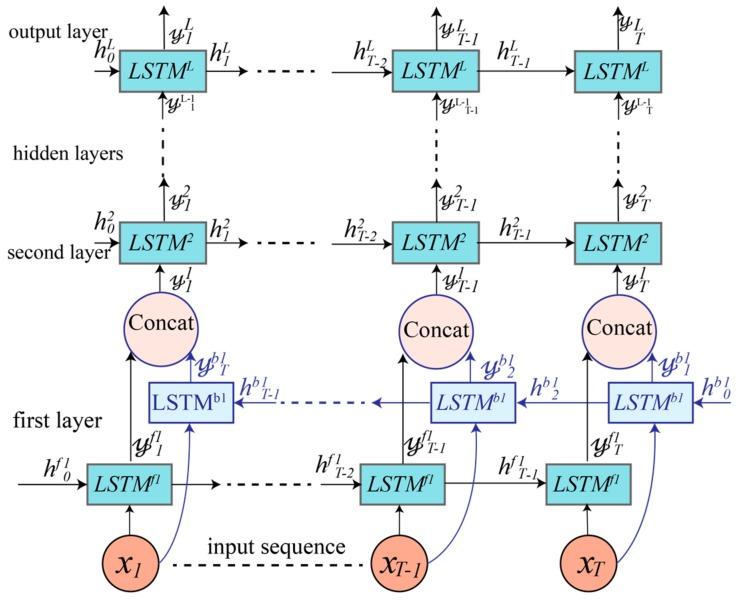
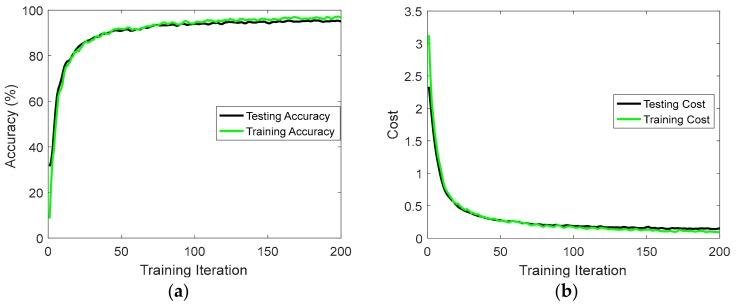
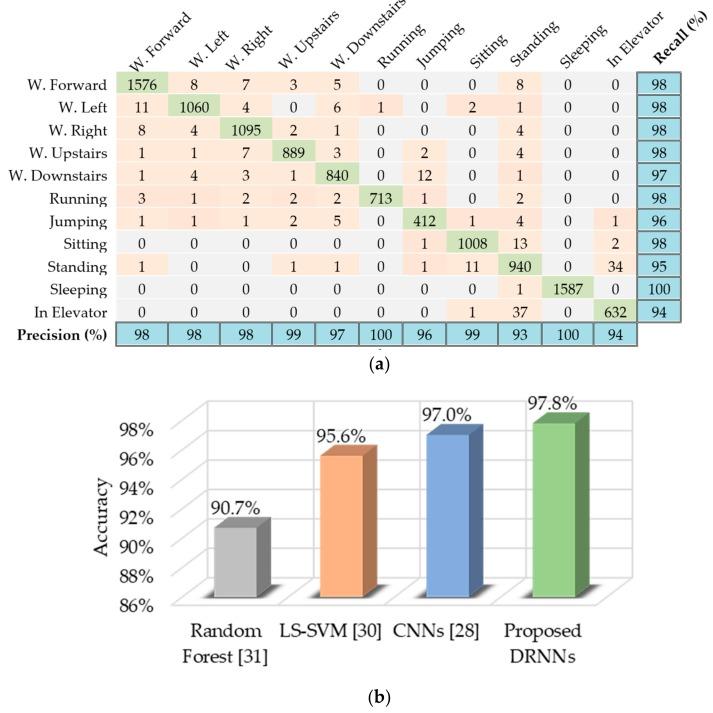
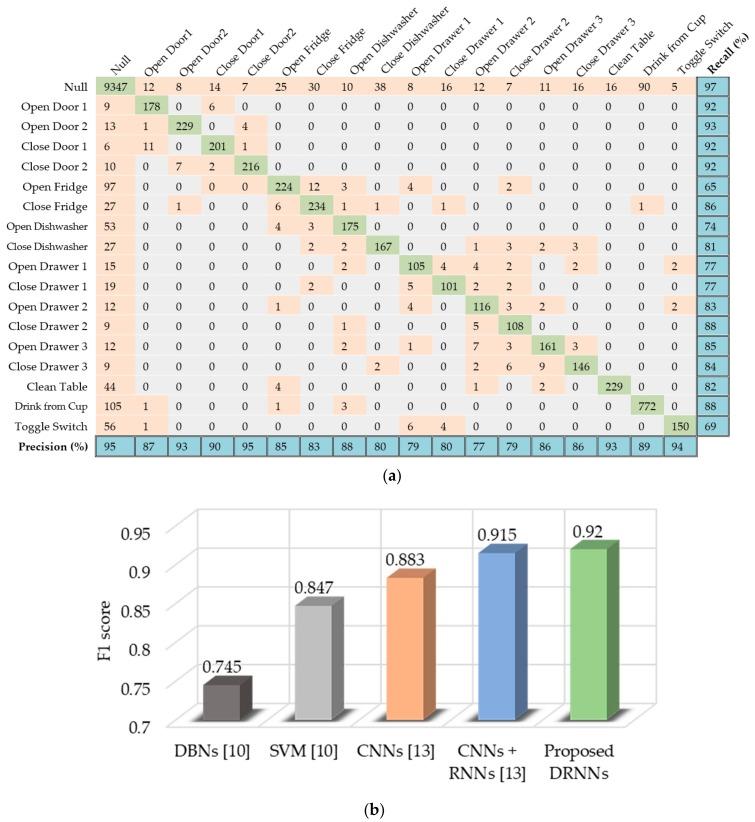
Adopting deep learning methods for human activity recognition has been effective in extracting discriminative features from raw input sequences acquired from body-worn sensors. Although human movements are encoded in a sequence of successive samples in time, typical machine learning methods perform recognition tasks without exploiting the temporal correlations between input data samples. Convolutional neural networks (CNNs) address this issue by using convolutions across a one-dimensional temporal sequence to capture dependencies among input data. However, the size of convolutional kernels restricts the captured range of dependencies between data samples. As a result, typical models are unadaptable to a wide range of activity-recognition configurations and require fixed-length input windows. In this paper, we propose the use of deep recurrent neural networks (DRNNs) for building recognition models that are capable of capturing long-range dependencies in variable-length input sequences. We present unidirectional, bidirectional, and cascaded architectures based on long short-term memory (LSTM) DRNNs and evaluate their effectiveness on miscellaneous benchmark datasets. Experimental results show that our proposed models outperform methods employing conventional machine learning, such as support vector machine (SVM) and k-nearest neighbors (KNN). Additionally, the proposed models yield better performance than other deep learning techniques, such as deep believe networks (DBNs) and CNNs.
采用深度学习方法进行人体活动识别,可以有效地从佩戴在身上的传感器获取的原始输入序列中提取出有区别的特征。尽管人体运动在时间上是通过连续的样本序列进行编码的,但典型的机器学习方法在执行识别任务时并没有利用输入数据样本之间的时间相关性。卷积神经网络(CNN)通过在一维时间序列上进行卷积来解决这个问题,从而捕获输入数据之间的依赖关系。然而,卷积核的大小限制了对数据样本之间依赖关系的捕捉范围。因此,典型的模型不能适应广泛的活动识别配置,并且需要固定长度的输入窗口。在本文中,我们提出了使用深度递归神经网络(DRNN)来构建识别模型,这些模型能够捕捉变长输入序列中的长程依赖关系。我们提出了基于长短期记忆(LSTM)DRNN 的单向、双向和级联架构,并在各种基准数据集上评估它们的有效性。实验结果表明,我们提出的模型在性能上优于使用传统机器学习方法(如支持向量机(SVM)和 K 近邻(KNN))的方法。此外,与其他深度学习技术(如深度置信网络(DBN)和 CNN)相比,我们提出的模型具有更好的性能。



 Zotero 插件