
锌作为免疫功能的守门员。
Zinc as a Gatekeeper of Immune Function.
机构信息
Institute of Immunology, Faculty of Medicine, University Hospital RWTH Aachen, Pauwelsstr. 30, 52074 Aachen, Germany.
出版信息
Nutrients. 2017 Nov 25;9(12):1286. doi: 10.3390/nu9121286.
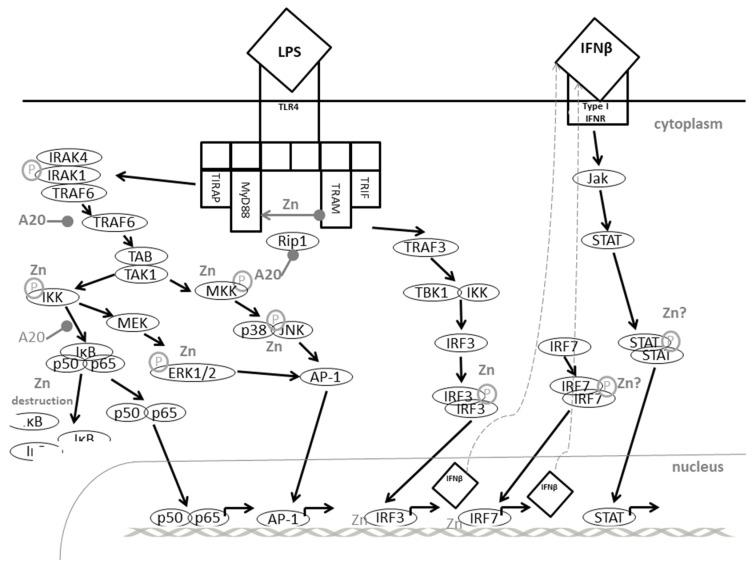
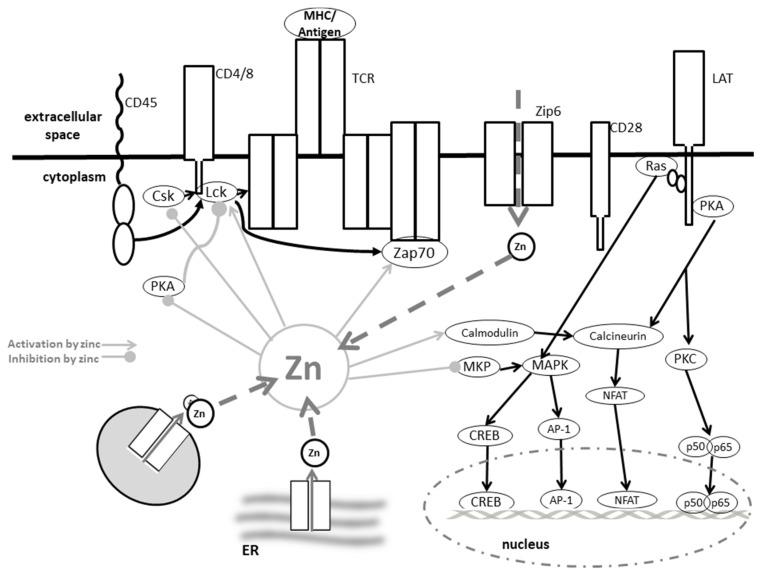
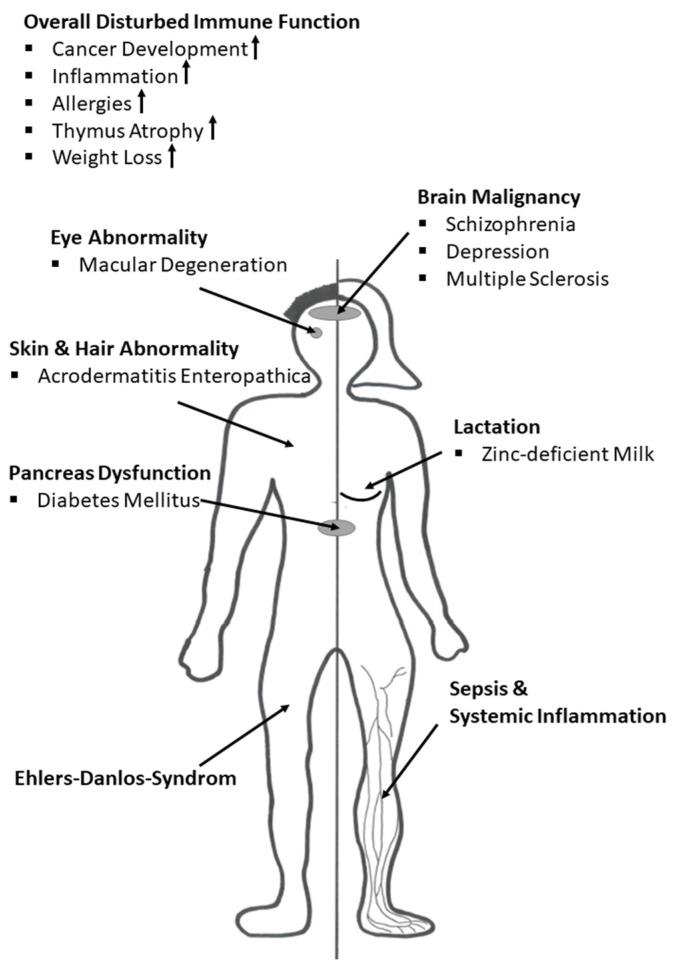
After the discovery of zinc deficiency in the 1960s, it soon became clear that zinc is essential for the function of the immune system. Zinc ions are involved in regulating intracellular signaling pathways in innate and adaptive immune cells. Zinc homeostasis is largely controlled via the expression and action of zinc "importers" (ZIP 1-14), zinc "exporters" (ZnT 1-10), and zinc-binding proteins. Anti-inflammatory and anti-oxidant properties of zinc have long been documented, however, underlying mechanisms are still not entirely clear. Here, we report molecular mechanisms underlying the development of a pro-inflammatory phenotype during zinc deficiency. Furthermore, we describe links between altered zinc homeostasis and disease development. Consequently, the benefits of zinc supplementation for a malfunctioning immune system become clear. This article will focus on underlying mechanisms responsible for the regulation of cellular signaling by alterations in zinc homeostasis. Effects of fast zinc flux, intermediate "zinc waves", and late homeostatic zinc signals will be discriminated. Description of zinc homeostasis-related effects on the activation of key signaling molecules, as well as on epigenetic modifications, are included to emphasize the role of zinc as a gatekeeper of immune function.
20 世纪 60 年代发现锌缺乏症后,很快就清楚了锌对免疫系统的功能是必不可少的。锌离子参与调节先天和适应性免疫细胞中的细胞内信号通路。锌稳态主要通过锌“转运体”(ZIP1-14)、锌“外排体”(ZnT1-10)和锌结合蛋白的表达和作用来控制。锌具有抗炎和抗氧化特性早已得到证实,但潜在机制尚不完全清楚。在这里,我们报告了锌缺乏症期间促炎表型发展的分子机制。此外,我们还描述了锌稳态改变与疾病发展之间的联系。因此,锌补充对功能失调的免疫系统的益处变得清晰。本文将重点介绍由锌稳态变化调节细胞信号的潜在机制。将区分快速锌通量、中间“锌波”和后期稳态锌信号的作用。描述锌稳态对关键信号分子激活以及表观遗传修饰的影响,以强调锌作为免疫功能的守门员的作用。


 Zotero 插件