
肺癌中 CCDC6-酪氨酸激酶融合物可成药性的基本原理。
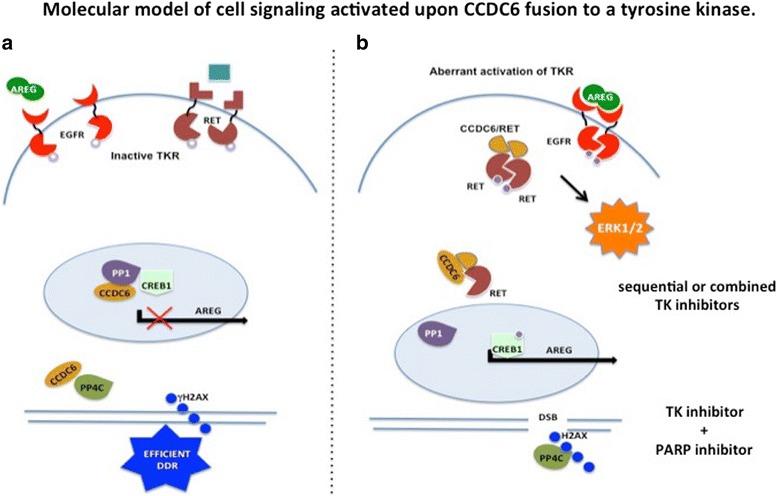
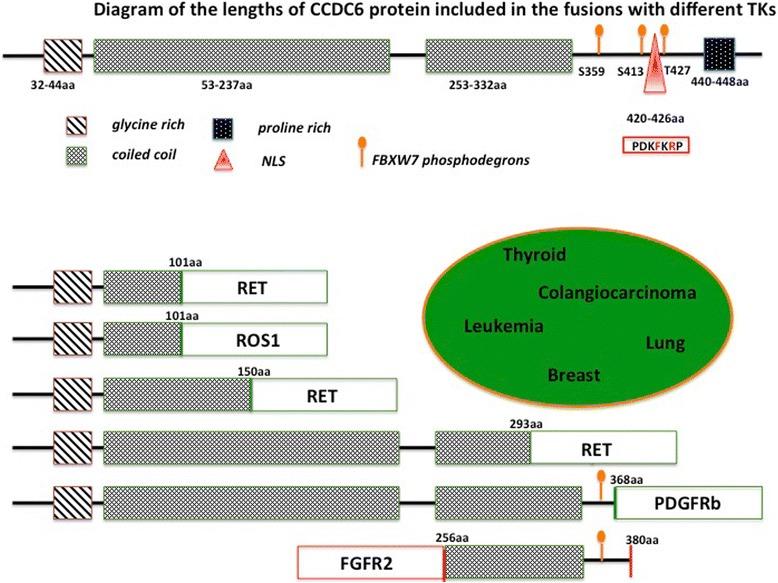
The rationale for druggability of CCDC6-tyrosine kinase fusions in lung cancer.
机构信息
Institute for the Experimental Endocrinology and Oncology "Gaetano Salvatore", Italian National Council of Research, Via S. Pansini 5, 80131, Naples, Italy.
出版信息
Mol Cancer. 2018 Feb 19;17(1):46. doi: 10.1186/s12943-018-0799-8.
Gene fusions occur in up to 17% of solid tumours. Oncogenic kinases are often involved in such fusions. In lung cancer, almost 30% of patients carrying an activated oncogene show the fusion of a tyrosine kinase to an heterologous gene. Several genes are partner in the fusion with the three kinases ALK, ROS1 and RET in lung. The impaired function of the partner gene, in combination with the activation of the kinase, may alter the cell signaling and promote the cancer cell addiction to the oncogene. Moreover, the gene that is partner in the fusion to the kinase may affect the response to therapeutics and/or promote resistance in the cancer cells. Few genes are recurrent partners in tyrosine kinase fusions in lung cancer, including CCDC6, a recurrent partner in ROS1 and RET fusions, that can be selected as possible target for new strategies of combined therapy including TKi.
基因融合发生在高达 17%的实体瘤中。致癌激酶通常参与此类融合。在肺癌中,近 30%的携带激活致癌基因的患者表现出酪氨酸激酶与异源基因融合。在肺中,有几个基因与三种激酶 ALK、ROS1 和 RET 融合。伴侣基因的功能障碍,与激酶的激活相结合,可能会改变细胞信号转导,促进癌细胞对致癌基因的依赖。此外,与激酶融合的伴侣基因可能会影响对治疗的反应和/或促进癌细胞的耐药性。在肺癌中,少数基因是酪氨酸激酶融合的反复出现的伴侣,包括 CCDC6,它是 ROS1 和 RET 融合的反复出现的伴侣,它可以被选择为包括 TKi 在内的联合治疗新策略的可能靶点。

 Zotero 插件