
多功能化生物催化 P22 纳米反应器用于 ER+ 乳腺癌的联合治疗。
Multifunctionalized biocatalytic P22 nanoreactor for combinatory treatment of ER+ breast cancer.
机构信息
Department of Bionanotechnology, Centro de Nanociencias y Nanotecnología, Universidad Nacional Autónoma de México, Km. 107 carretera Tijuana-Ensenada, 22860, Ensenada, Baja California, Mexico.
出版信息
J Nanobiotechnology. 2018 Feb 20;16(1):17. doi: 10.1186/s12951-018-0345-2.
BACKGROUND
Tamoxifen is the standard endocrine therapy for breast cancers, which require metabolic activation by cytochrome P450 enzymes (CYP). However, the lower and variable concentrations of CYP activity at the tumor remain major bottlenecks for the efficient treatment, causing severe side-effects. Combination nanotherapy has gained much recent attention for cancer treatment as it reduces the drug-associated toxicity without affecting the therapeutic response.
RESULTS
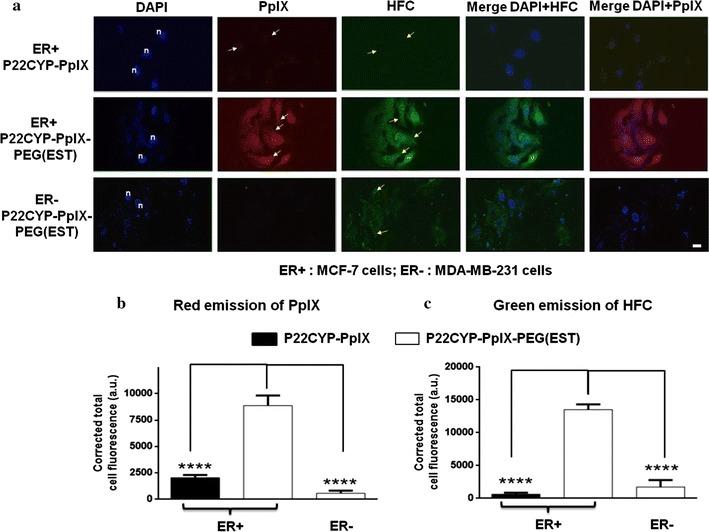
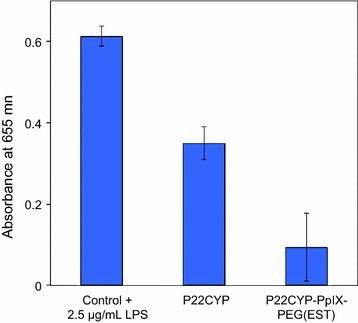
Here we show the modular design of P22 bacteriophage virus-like particles for nanoscale integration of virus-driven enzyme prodrug therapy and photodynamic therapy. These virus capsids carrying CYP activity at the core are decorated with photosensitizer and targeting moiety at the surface for effective combinatory treatment. The estradiol-functionalized nanoparticles are recognized and internalized into ER+ breast tumor cells increasing the intracellular CYP activity and showing the ability to produce reactive oxygen species (ROS) upon UV irradiation. The generated ROS in synergy with enzymatic activity drastically enhanced the tamoxifen sensitivity in vitro, strongly inhibiting tumor cells.
CONCLUSIONS
This work clearly demonstrated that the targeted combinatory treatment using multifunctional biocatalytic P22 represents the effective nanotherapeutics for ER+ breast cancer.
背景
他莫昔芬是乳腺癌的标准内分泌治疗药物,需要细胞色素 P450 酶(CYP)代谢激活。然而,肿瘤部位 CYP 活性的浓度较低且变化较大,仍然是有效治疗的主要瓶颈,导致严重的副作用。组合纳米疗法最近在癌症治疗中受到了广泛关注,因为它可以降低药物相关毒性而不影响治疗反应。
结果
在这里,我们展示了 P22 噬菌体病毒样颗粒的模块化设计,用于纳米级整合病毒驱动的酶前药治疗和光动力治疗。这些带有 CYP 活性核心的病毒衣壳在表面带有光敏剂和靶向部分,用于有效的组合治疗。雌激素功能化的纳米颗粒被 ER+乳腺癌细胞识别和内化,增加了细胞内 CYP 活性,并显示出在紫外线照射下产生活性氧(ROS)的能力。产生的 ROS 与酶活性协同作用,大大增强了他莫昔芬在体外的敏感性,强烈抑制了肿瘤细胞。
结论
这项工作清楚地表明,使用多功能生物催化 P22 的靶向组合治疗代表了 ER+乳腺癌的有效纳米疗法。




 Zotero 插件