
来自[具体来源未给出]的ABCC蛋白的功能表征及其与硫醇转运的关系。
Functional Characterization of ABCC Proteins from and Their Involvement with Thiol Transport.
作者信息
da Costa Kelli Monteiro, Valente Raphael C, Salustiano Eduardo J, Gentile Luciana B, Freire-de-Lima Leonardo, Mendonça-Previato Lucia, Previato José O
机构信息
Laboratório de Glicobiologia, Instituto de Biofísica Carlos Chagas Filho, Universidade Federal do Rio de Janeiro, Rio de Janeiro, Brazil.
Faculdade de Ciências Médicas, Universidade do Estado do Rio de Janeiro, Rio de Janeiro, Brazil.
出版信息
Front Microbiol. 2018 Feb 14;9:205. doi: 10.3389/fmicb.2018.00205. eCollection 2018.
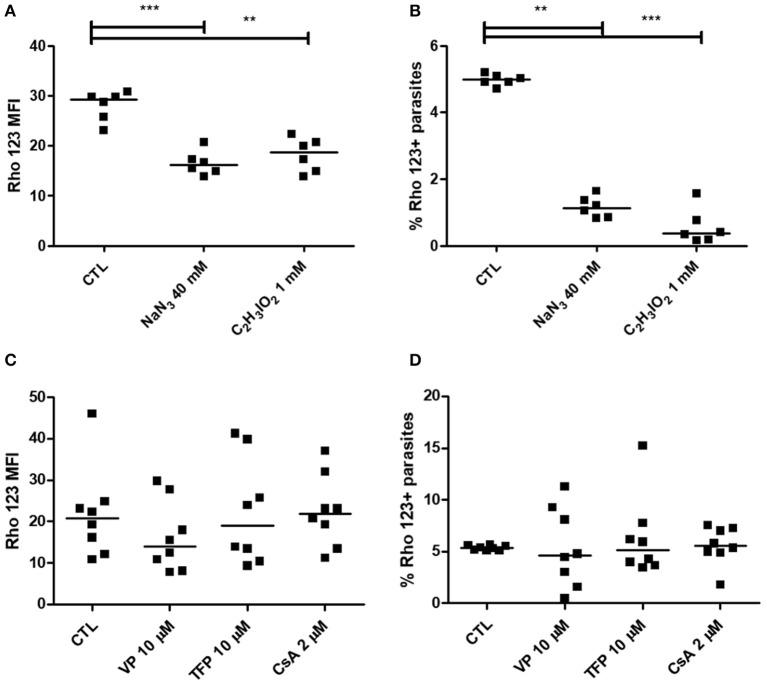
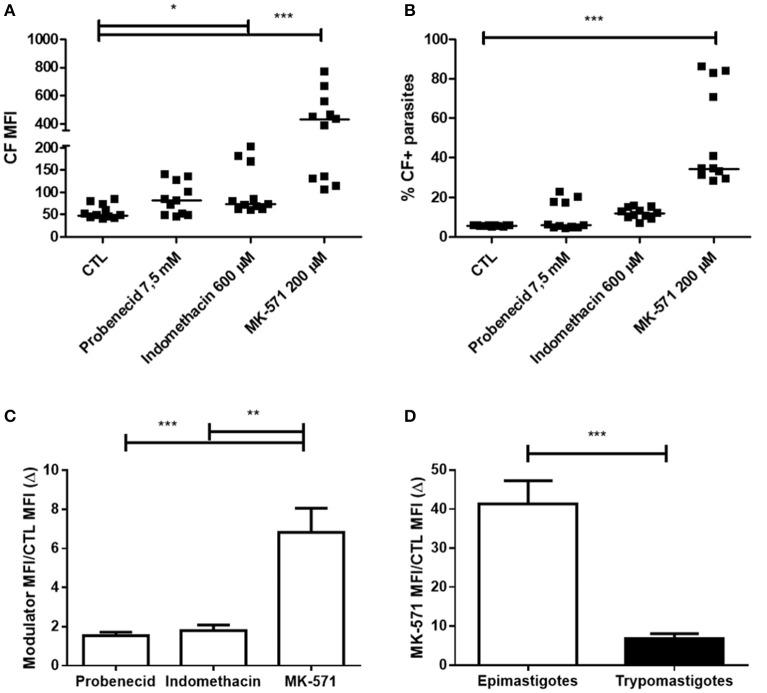
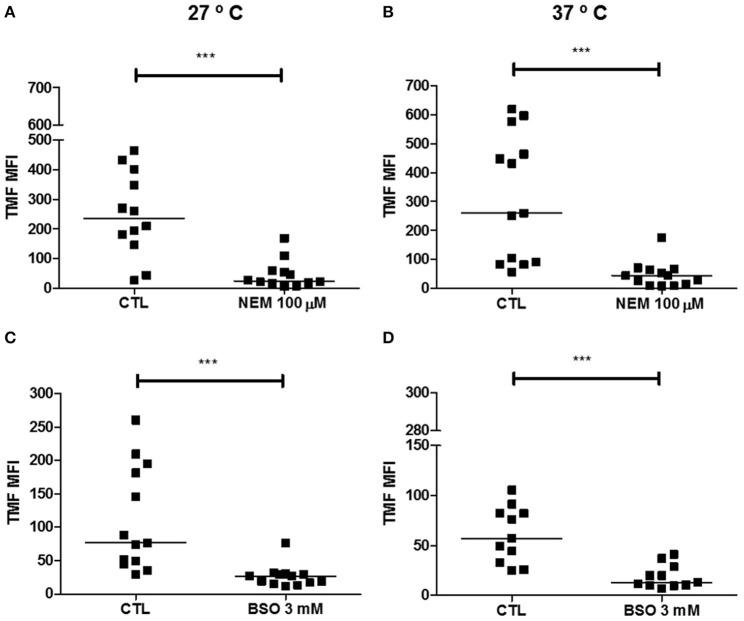
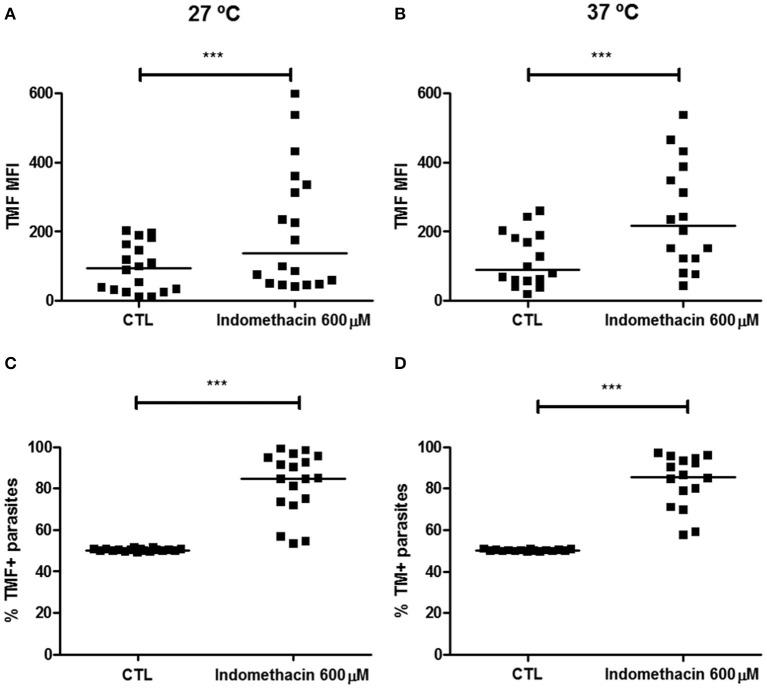
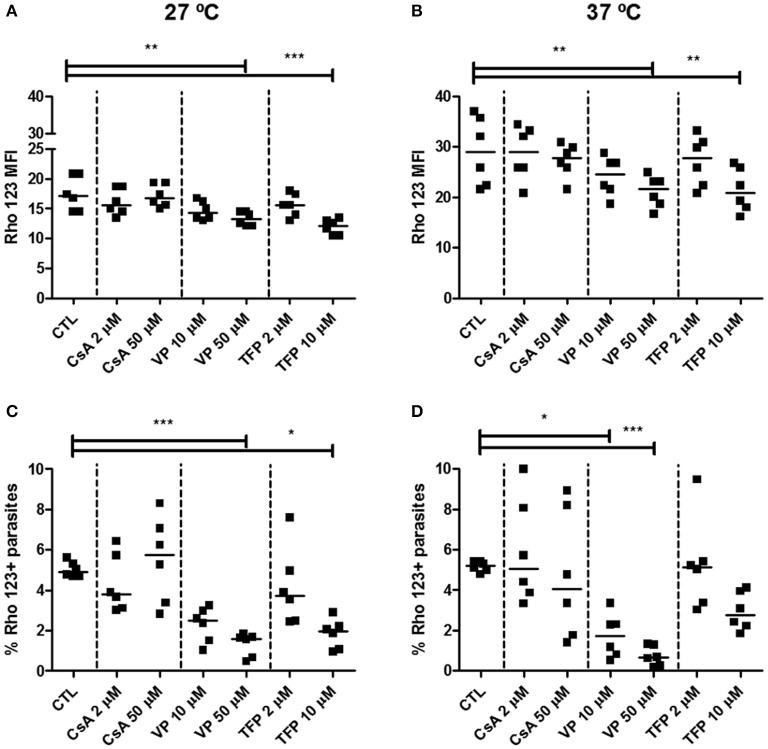
Chagas disease is a neglected disease caused by the protozoan and affects 8 million people worldwide. The main chemotherapy is based on benznidazole. The efficacy in the treatment depends on factors such as the parasite strain, which may present different sensitivity to treatment. In this context, the expression of ABC transporters has been related to chemotherapy failure. ABC transporters share a well-conserved ABC domain, responsible for ATP binding and hydrolysis, whose the energy released is coupled to transport of molecules through membranes. The most known ABC transporters are ABCB1 and ABCC1, involved in the multidrug resistance phenotype in cancer, given their participation in cellular detoxification. In , 27 ABC genes were identified in the genome. Nonetheless, only four ABC genes were characterized: ABCA3, involved in vesicular trafficking; ABCG1, overexpressed in strains naturally resistant to benznidazole, and P-glycoprotein 1 and 2, whose participation in drug resistance is controversial. Considering P-glycoprotein genes are related to ABCC subfamily in according to the demonstration using BLASTP alignment, we evaluated both ABCB1-like and ABCC-like activities in epimastigote and trypomastigote forms of the Y strain. The transport activities were evaluated by the efflux of the fluorescent dyes Rhodamine 123 and Carboxyfluorescein in a flow cytometer. Results indicated that there was no ABCB1-like activity in both forms. Conversely, results demonstrated ABCC-like activity in both epimastigote and trypomastigote forms of . This activity was inhibited by ABCC transport modulators (probenecid, indomethacin, and MK-571), by ATP-depleting agents (sodium azide and iodoacetic acid) and by the thiol-depleting agent N-ethylmaleimide. Additionally, the presence of ABCC-like activity was supported by direct inhibition of the thiol-conjugated compound efflux with indomethacin, characteristic of ABCC subfamily members. Taken together, the results provide the first description of native ABCC-like activity in epimastigote and trypomastigote forms, indicating that the study of the biological role for that thiol transporter is crucial to reveal new molecular mechanisms for therapeutic approaches in the Chagas disease.
恰加斯病是一种由原生动物引起的被忽视的疾病,全球有800万人受其影响。主要的化疗药物是苯硝唑。治疗效果取决于多种因素,如寄生虫菌株,其对治疗可能表现出不同的敏感性。在这种情况下,ABC转运蛋白的表达与化疗失败有关。ABC转运蛋白共享一个保守性良好的ABC结构域,负责ATP的结合和水解,所释放的能量与分子跨膜运输相偶联。最知名的ABC转运蛋白是ABCB1和ABCC1,鉴于它们参与细胞解毒过程,与癌症的多药耐药表型有关。在[具体物种名称未给出]的基因组中鉴定出了27个ABC基因。然而,仅对四个ABC基因进行了表征:参与囊泡运输的ABCA3;在对苯硝唑天然耐药的菌株中过表达的ABCG1;以及P-糖蛋白1和2,其在耐药性中的作用存在争议。考虑到根据使用BLASTP比对的结果,P-糖蛋白基因与[具体物种名称未给出]中的ABCC亚家族相关,我们评估了Y菌株的前鞭毛体和锥鞭毛体形式中ABCB1样和ABCC样的活性。通过在流式细胞仪中检测荧光染料罗丹明123和羧基荧光素的外排来评估转运活性。结果表明,在两种[具体形式未明确给出]形式中均不存在ABCB1样活性。相反,结果证明在[具体物种名称未给出]的前鞭毛体和锥鞭毛体形式中均存在ABCC样活性。这种活性受到ABCC转运调节剂(丙磺舒、吲哚美辛和MK-571)、ATP消耗剂(叠氮化钠和碘乙酸)以及巯基消耗剂N-乙基马来酰亚胺的抑制。此外,吲哚美辛对硫醇共轭化合物外排的直接抑制支持了ABCC样活性的存在,这是ABCC亚家族成员的特征。综上所述,这些结果首次描述了[具体物种名称未给出]前鞭毛体和锥鞭毛体形式中的天然ABCC样活性,表明研究该硫醇转运蛋白的生物学作用对于揭示恰加斯病治疗方法的新分子机制至关重要。





 Zotero 插件