
截断 NKG2D 配体:独特的人类 NKG2D 配体 ULBP4 的细胞加工。
Cutting an NKG2D Ligand Short: Cellular Processing of the Peculiar Human NKG2D Ligand ULBP4.
机构信息
Institute for Molecular Medicine, Goethe University Frankfurt am Main, Frankfurt am Main, Germany.
Institute of Biochemistry II, Goethe University Frankfurt am Main, Frankfurt am Main, Germany.
出版信息
Front Immunol. 2018 Mar 29;9:620. doi: 10.3389/fimmu.2018.00620. eCollection 2018.
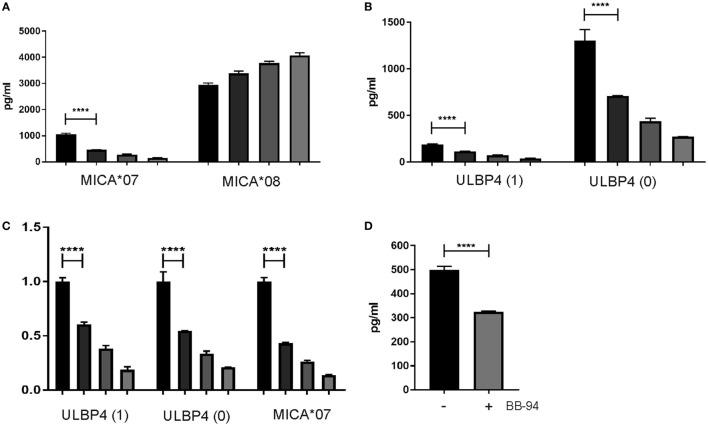
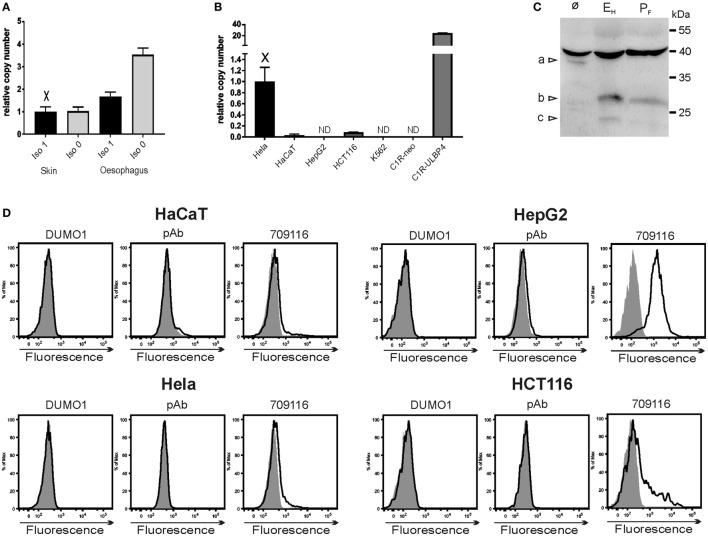
Stress-induced cell surface expression of MHC class I-related glycoproteins of the MIC and ULBP families allows for immune recognition of dangerous "self cells" by human cytotoxic lymphocytes the NKG2D receptor. With two MIC molecules (MICA and MICB) and six ULBP molecules (ULBP1-6), there are a total of eight human NKG2D ligands (NKG2DL). Since the discovery of the NKG2D-NKG2DL system, the cause for both redundancy and diversity of NKG2DL has been a major and ongoing matter of debate. NKG2DL diversity has been attributed, among others, to the selective pressure by viral immunoevasins, to diverse regulation of expression, to differential tissue expression as well as to variations in receptor interactions. Here, we critically review the current state of knowledge on the poorly studied human NKG2DL ULBP4. Summarizing available facts and previous studies, we picture ULBP4 as a peculiar ULBP family member distinct from other ULBP family members by various aspects. In addition, we provide novel experimental evidence suggesting that cellular processing gives rise to mature ULBP4 glycoproteins different to previous reports. Finally, we report on the proteolytic release of soluble ULBP4 and discuss these results in the light of known mechanisms for generation of soluble NKG2DL.
应激诱导 MHC Ⅰ类相关糖蛋白家族的细胞表面表达,使人类细胞毒性淋巴细胞能够通过 NKG2D 受体识别危险的“自身细胞”。人类 NKG2D 配体(NKG2DL)共有 8 种,包括 2 种 MIC 分子(MICA 和 MICB)和 6 种 ULBP 分子(ULBP1-6)。自 NKG2D-NKG2DL 系统发现以来,NKG2DL 冗余和多样性的原因一直是一个主要且持续的争论点。NKG2DL 多样性归因于病毒免疫逃逸的选择压力、表达的多样化调节、组织表达的差异以及受体相互作用的差异等。在这里,我们批判性地回顾了人类 NKG2DL ULBP4 这一研究相对较少的领域的现有知识状况。通过总结现有事实和以往的研究,我们将 ULBP4 描绘成一个独特的 ULBP 家族成员,与其他 ULBP 家族成员在多个方面不同。此外,我们提供了新的实验证据,表明细胞加工产生的成熟 ULBP4 糖蛋白与以前的报告不同。最后,我们报告了可溶性 ULBP4 的蛋白水解释放,并根据已知的可溶性 NKG2DL 生成机制讨论了这些结果。


 Zotero 插件