
急性持续低氧应激后小鼠膈肌肌无力可被 N-乙酰半胱氨酸预处理预防。
Diaphragm Muscle Weakness Following Acute Sustained Hypoxic Stress in the Mouse Is Prevented by Pretreatment with N-Acetyl Cysteine.
机构信息
Department of Physiology, School of Medicine, University College Cork, Cork, Ireland.
Department of Physiology, Trinity Biomedical Sciences Institute, Trinity College Dublin, The University of Dublin, Dublin, Ireland.
出版信息
Oxid Med Cell Longev. 2018 Feb 19;2018:4805493. doi: 10.1155/2018/4805493. eCollection 2018.
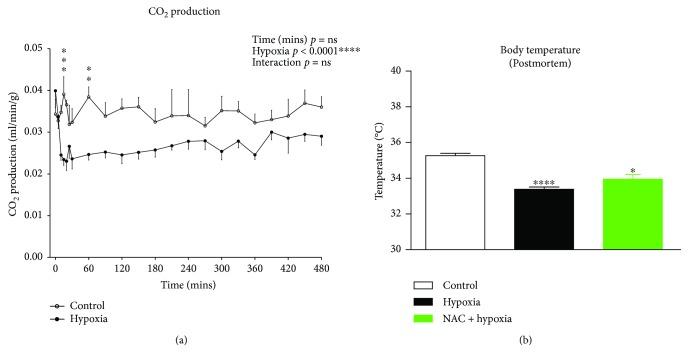
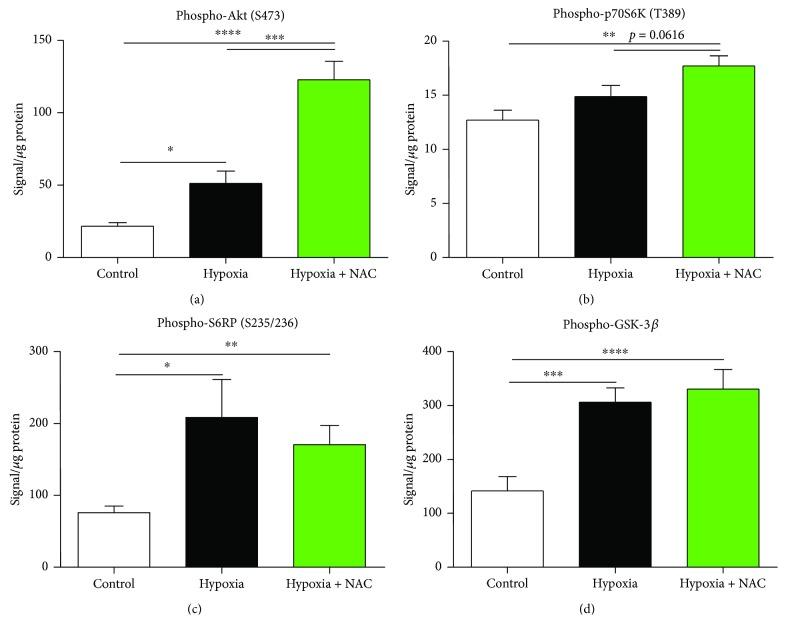
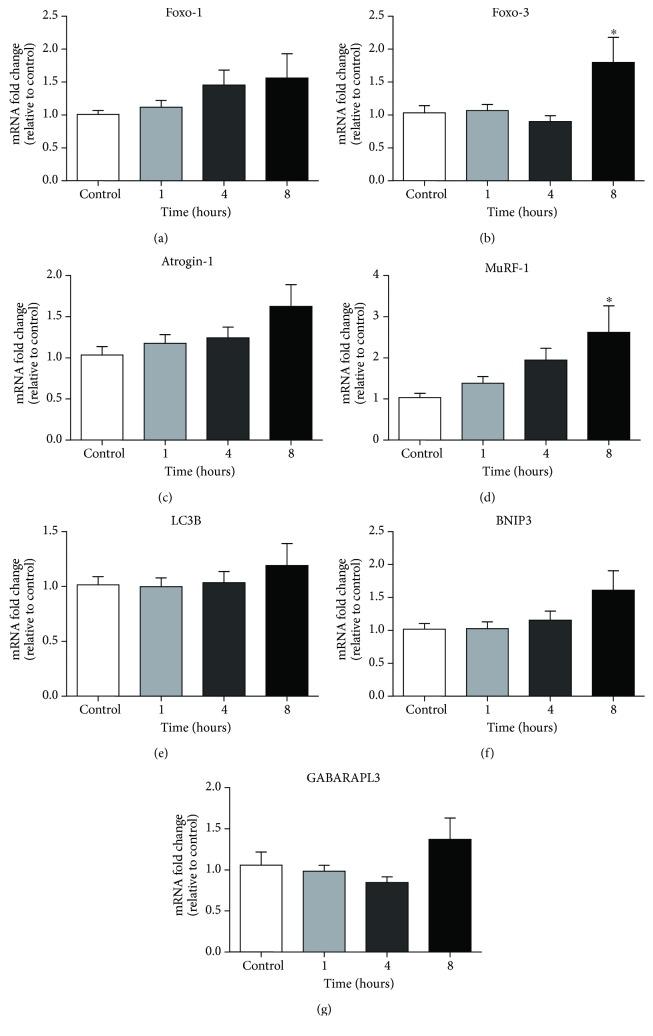
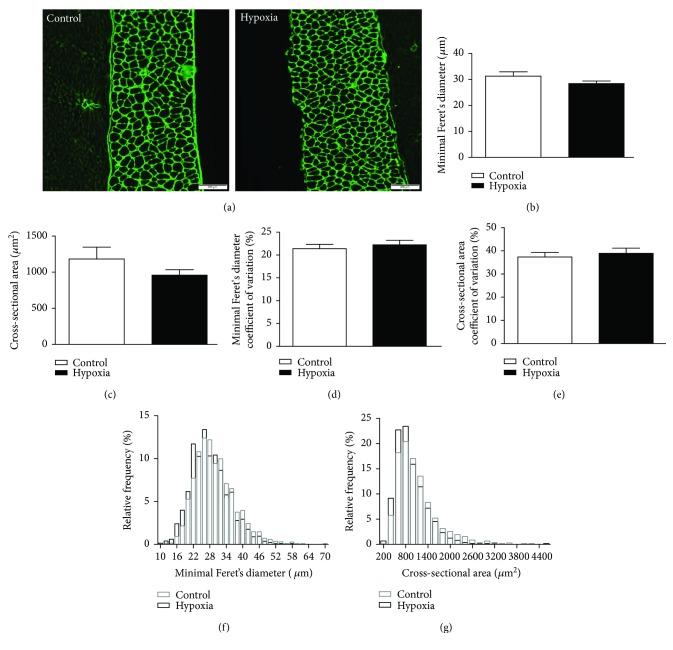
Oxygen deficit (hypoxia) is a major feature of cardiorespiratory diseases characterized by diaphragm dysfunction, yet the putative role of hypoxic stress as a driver of diaphragm dysfunction is understudied. We explored the cellular and functional consequences of sustained hypoxic stress in a mouse model. Adult male mice were exposed to 8 hours of normoxia, or hypoxia (FiO = 0.10) with or without antioxidant pretreatment (N-acetyl cysteine, 200 mg/kg i.p.). Ventilation and metabolism were measured. Diaphragm muscle contractile function, myofibre size and distribution, gene expression, protein signalling cascades, and oxidative stress (TBARS) were determined. Hypoxia caused pronounced diaphragm muscle weakness, unrelated to increased respiratory muscle work. Hypoxia increased diaphragm HIF-1 protein content and activated MAPK, mTOR, Akt, and FoxO3a signalling pathways, largely favouring protein synthesis. Hypoxia increased diaphragm lipid peroxidation, indicative of oxidative stress. FoxO3 and MuRF-1 gene expression were increased. Diaphragm 20S proteasome activity and muscle fibre size and distribution were unaffected by acute hypoxia. Pretreatment with N-acetyl cysteine substantially enhanced cell survival signalling, prevented hypoxia-induced diaphragm oxidative stress, and prevented hypoxia-induced diaphragm dysfunction. Hypoxia is a potent driver of diaphragm weakness, causing myofibre dysfunction without attendant atrophy. N-acetyl cysteine protects the hypoxic diaphragm and may have application as a potential adjunctive therapy.
氧气不足(缺氧)是心肺疾病的主要特征,其特征是膈肌功能障碍,但缺氧应激作为膈肌功能障碍的驱动因素的作用尚未得到充分研究。我们在小鼠模型中探讨了持续缺氧应激的细胞和功能后果。成年雄性小鼠接受 8 小时的常氧或低氧(FiO = 0.10)暴露,或用抗氧化剂预处理(N-乙酰半胱氨酸,200mg/kg i.p.)。测量通气和代谢。测定膈肌肌肉收缩功能、肌纤维大小和分布、基因表达、蛋白信号转导通路和氧化应激(TBARS)。缺氧导致明显的膈肌肌肉无力,与增加呼吸肌工作量无关。缺氧增加了膈肌 HIF-1 蛋白含量,并激活了 MAPK、mTOR、Akt 和 FoxO3a 信号通路,这在很大程度上有利于蛋白质合成。缺氧增加了膈肌脂质过氧化,表明存在氧化应激。FoxO3 和 MuRF-1 基因表达增加。急性低氧对 20S 蛋白酶体活性和肌纤维大小和分布没有影响。N-乙酰半胱氨酸预处理可显著增强细胞存活信号,防止缺氧引起的膈肌氧化应激,并防止缺氧引起的膈肌功能障碍。缺氧是膈肌无力的一个强有力的驱动因素,导致肌纤维功能障碍而没有伴随的萎缩。N-乙酰半胱氨酸可保护缺氧的膈肌,可能作为一种潜在的辅助治疗方法。








 Zotero 插件