
肿瘤抑制基因和生长相关基因的 E2F 依赖性激活对二聚化伙伴 DP 的不同需求。
Differential requirement for dimerization partner DP between E2F-dependent activation of tumor suppressor and growth-related genes.
机构信息
Life Sciences Institute, University of Michigan, 210 Washtenaw Avenue, Ann Arbor, MI, 48109-2216, USA.
Department of Biomedical Chemistry, School of Science and Technology, Kwansei Gakuin University, 2-1 Gakuen, Sanda, Hyogo, 669-1337, Japan.
出版信息
Sci Rep. 2018 May 31;8(1):8438. doi: 10.1038/s41598-018-26860-0.
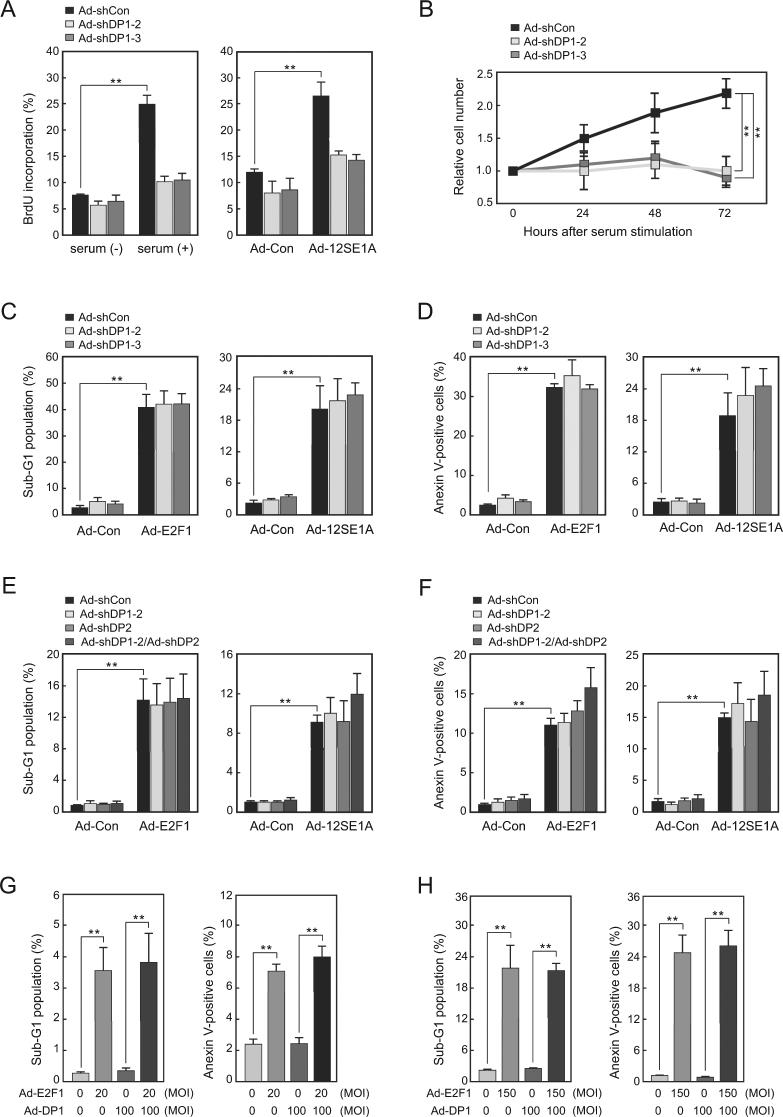
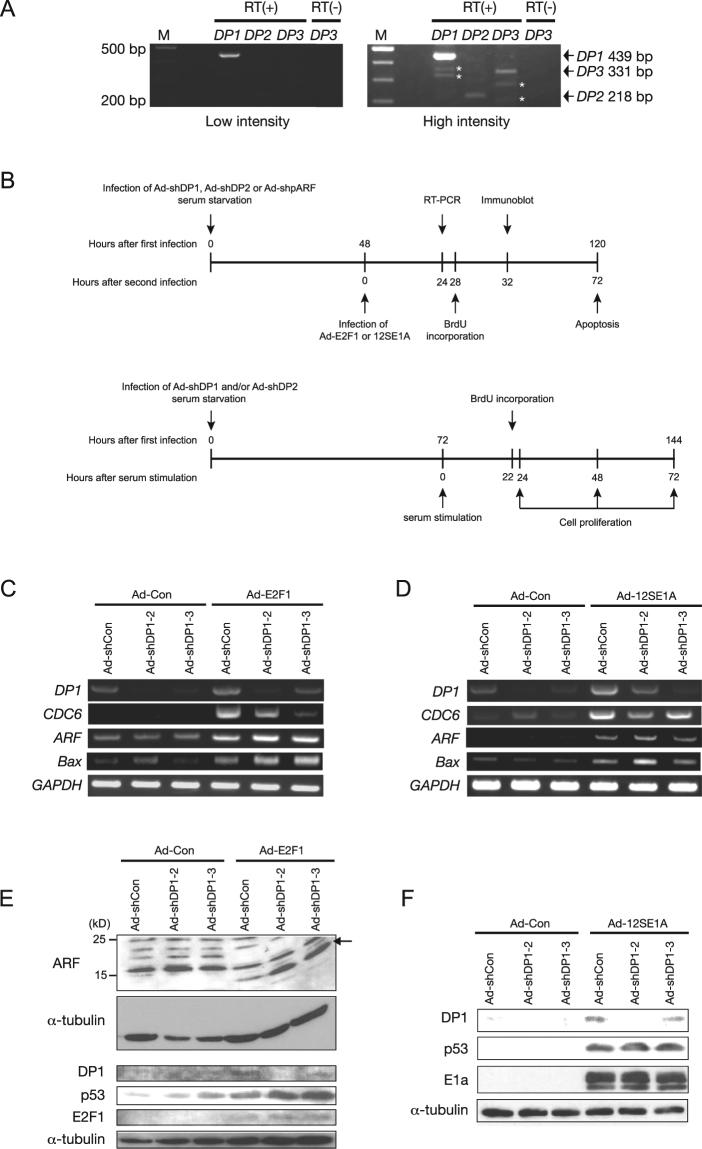
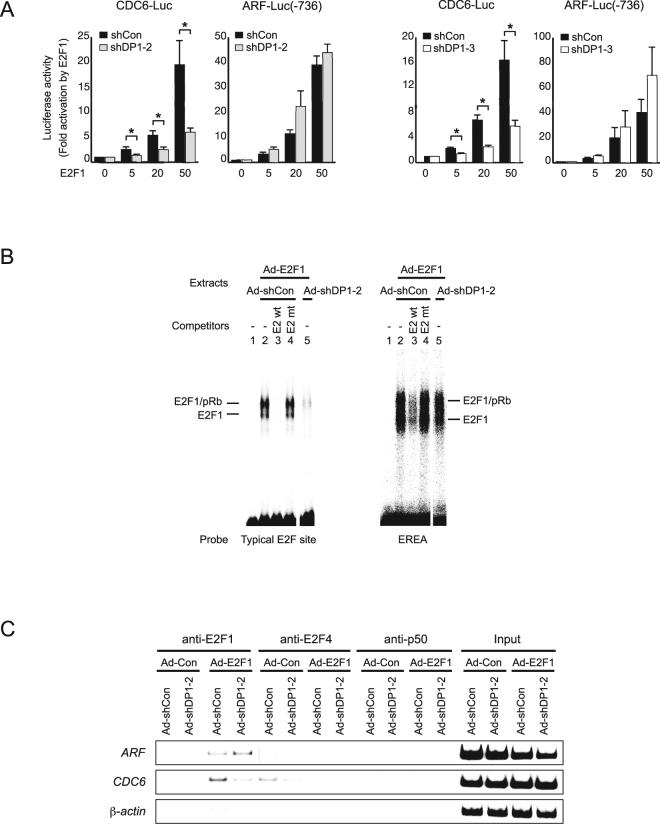
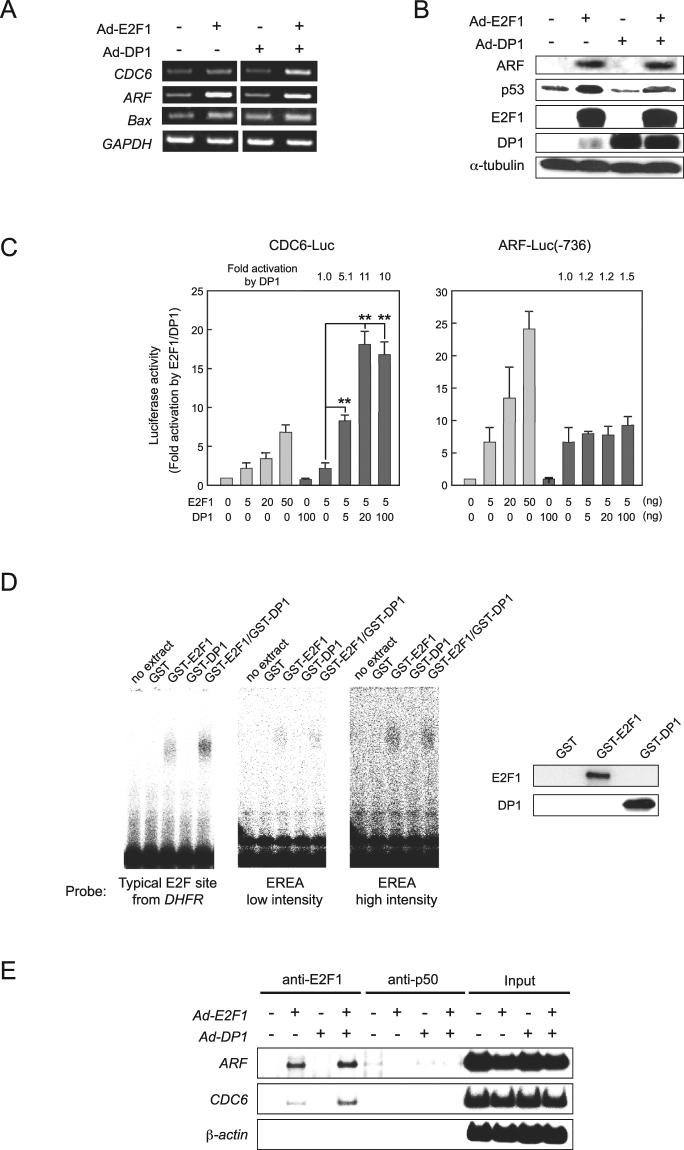
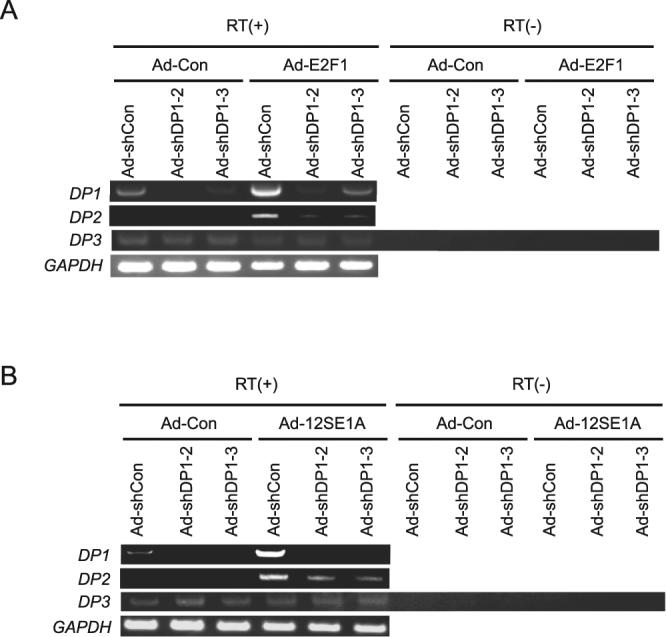
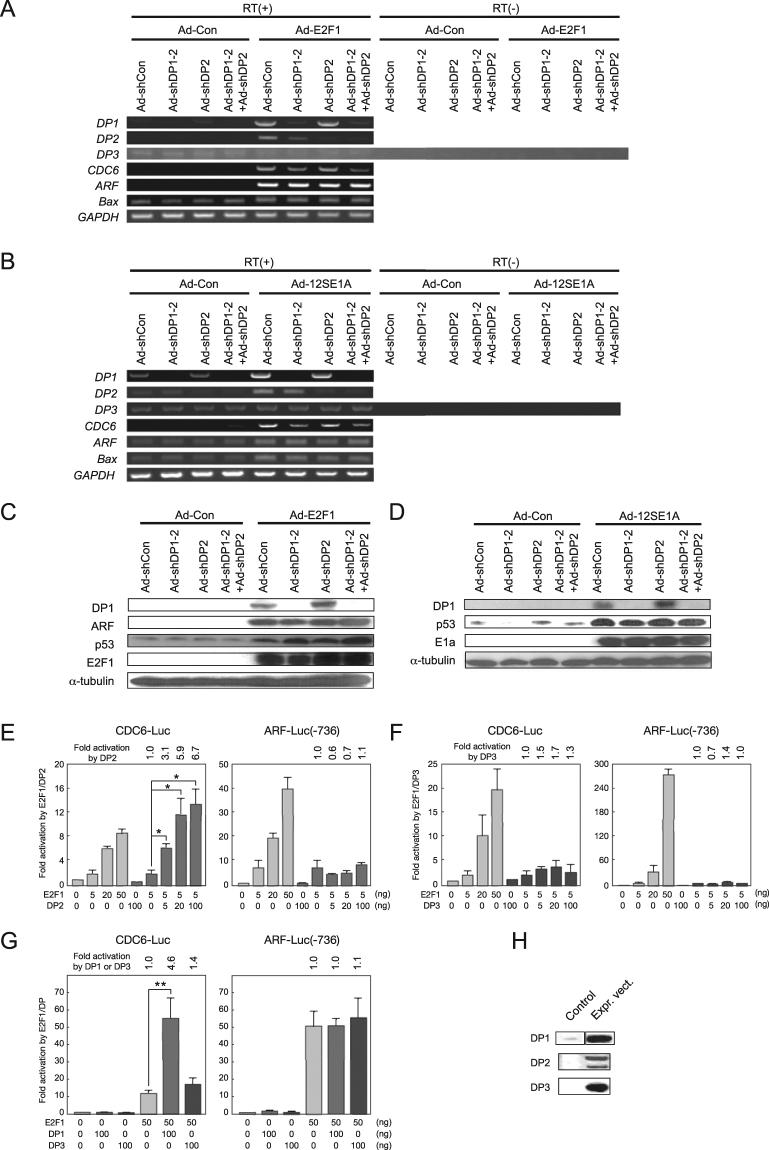
The transcription factor E2F plays crucial roles in cell proliferation and tumor suppression by activating growth-related genes and pro-apoptotic tumor suppressor genes, respectively. It is generally accepted that E2F binds to target sequences with its heterodimeric partner DP. Here we show that, while knockdown of DP1 expression inhibited ectopic E2F1- or adenovirus E1a-induced expression of the CDC6 gene and cell proliferation, knockdown of DP1 and DP2 expression did not affect ectopic E2F1- or E1a-induced expression of the tumor suppressor ARF gene, an upstream activator of the tumor suppressor p53, activation of p53 or apoptosis. These observations suggest that growth related and pro-apoptotic E2F targets are regulated by distinct molecular mechanisms and contradict the threshold model, which postulates that E2F activation of pro-apoptotic genes requires a higher total activity of activator E2Fs, above that necessary for E2F-dependent activation of growth-related genes.
转录因子 E2F 通过分别激活生长相关基因和促凋亡肿瘤抑制基因,在细胞增殖和肿瘤抑制中发挥关键作用。通常认为,E2F 与其异二聚体伙伴 DP 结合到靶序列上。在这里,我们表明,虽然 DP1 表达的敲低抑制了 E2F1 或腺病毒 E1a 诱导的 CDC6 基因的异位表达和细胞增殖,但 DP1 和 DP2 表达的敲低并不影响 E2F1 或 E1a 诱导的肿瘤抑制基因 ARF 的异位表达,该基因是肿瘤抑制基因 p53 的上游激活物,p53 的激活或凋亡。这些观察结果表明,与生长相关和促凋亡的 E2F 靶标受不同的分子机制调控,与阈值模型相矛盾,该模型假设促凋亡基因的 E2F 激活需要更高的激活剂 E2F 的总活性,高于 E2F 依赖性生长相关基因激活所需的活性。
 Zotero 插件