
比较分析解剖结构、植物激素水平和基因表达谱揭示圣音竹( f. )矮化的潜在机制。
Comparative Analyses of Anatomical Structure, Phytohormone Levels, and Gene Expression Profiles Reveal Potential Dwarfing Mechanisms in Shengyin Bamboo ( f. ).
机构信息
State Key Laboratory of Forest Genetics and Tree Breeding, Key Laboratory of Silviculture of the State Forestry Administration, Research Institute of Forestry, Chinese Academy of Forestry, Beijing 100091, China.
Research Institute of Subtropical Forestry, Chinese Academy of Forestry, Fuyang 311400, China.
出版信息
Int J Mol Sci. 2018 Jun 7;19(6):1697. doi: 10.3390/ijms19061697.
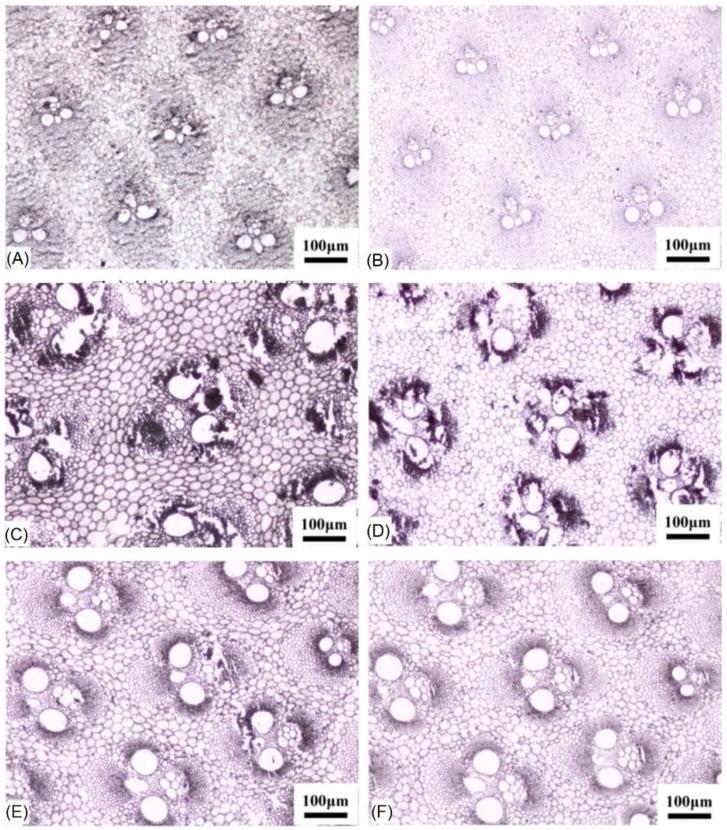
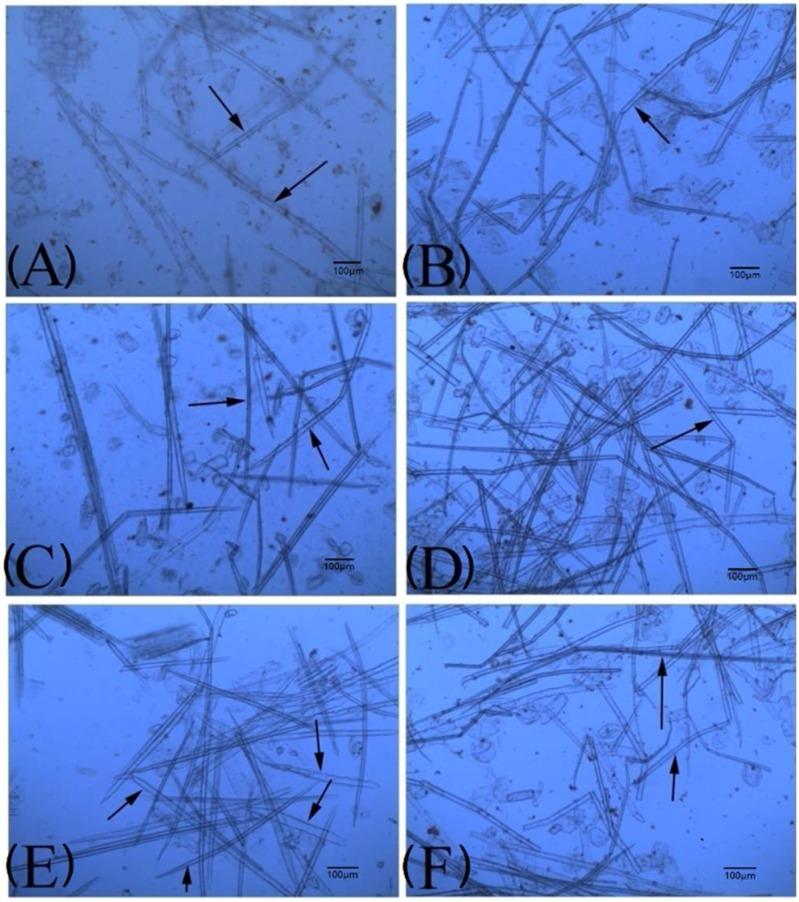
Moso bamboo () is one of the most important bamboo species in China and the third most important plant species for timber production. However, the dwarf variant of moso bamboo, f. (shengyin bamboo), which has shortened internodes, is not well studied. We used anatomical, hormonal, and transcriptomic approaches to study internode shortening and shoot growth in dwarf shengyin and wild moso bamboo. Phenotypic and anatomical observations showed that dwarfing in shengyin bamboo is due to reduced internode length, and the culm fibers in shengyin bamboo are significantly shorter and thicker than in wild moso bamboo. We measured the levels of endogenous hormones in the internodes and found that shengyin bamboo had lower levels of four hormones while two others were higher in wild moso bamboo. Comparative transcriptome analyses revealed a potential regulating mechanism for internode length involving genes for cell wall loosening-related enzymes and the cellulose and lignin biosynthesis pathways. Genes involved in hormone biosynthesis and signal transduction, especially those that showed significant differential expression in the internodes between shengyin and wild moso bamboo, may be important in determining the shortened internode phenotype. A hypothesis involving possible cross-talk between phytohormone signaling cues and cell wall expansion leading to dwarfism in shengyin bamboo is proposed. The results presented here provide a comprehensive exploration of the biological mechanisms that determine internode shortening in moso bamboo.
丛生竹()是中国最重要的竹种之一,也是第三大木材生产植物种。然而,短缩节丛生竹(sheng yin 竹)的矮化变种,节间缩短,尚未得到很好的研究。我们使用解剖学、激素和转录组学方法研究了矮化丛生竹和野生毛竹的节间缩短和新梢生长。表型和解剖学观察表明,丛生竹的矮化是由于节间长度缩短所致,丛生竹的秆纤维明显比野生毛竹短而厚。我们测量了节间内的内源激素水平,发现丛生竹的四种激素水平较低,而野生毛竹的两种激素水平较高。比较转录组分析揭示了一个涉及细胞壁松弛相关酶和纤维素及木质素生物合成途径的基因的潜在调节机制,用于控制节间长度。参与激素生物合成和信号转导的基因,特别是那些在丛生竹和野生毛竹节间差异表达明显的基因,可能在决定缩短的节间表型中起重要作用。提出了一个关于植物激素信号转导与细胞壁扩张之间可能存在相互作用的假说,导致丛生竹矮化。本研究为丛生竹节间缩短的生物学机制提供了全面的探索。




 Zotero 插件