
木本草莓非生物和生物胁迫过程中 NAC 转录因子家族的全基因组鉴定和表达谱分析。
Genome-wide identification and expression profile analysis of the NAC transcription factor family during abiotic and biotic stress in woodland strawberry.
机构信息
Environment and Plant Protection Institute, Chinese Academy of Tropical Agricultural Sciences, Key Laboratory of Integrated Pest Management on Tropical Crops, Ministry of Agriculture, Haikou, Hainan, China.
Institute of Tropical Agriculture and Forestry, Hainan University, Haikou, China.
出版信息
PLoS One. 2018 Jun 13;13(6):e0197892. doi: 10.1371/journal.pone.0197892. eCollection 2018.
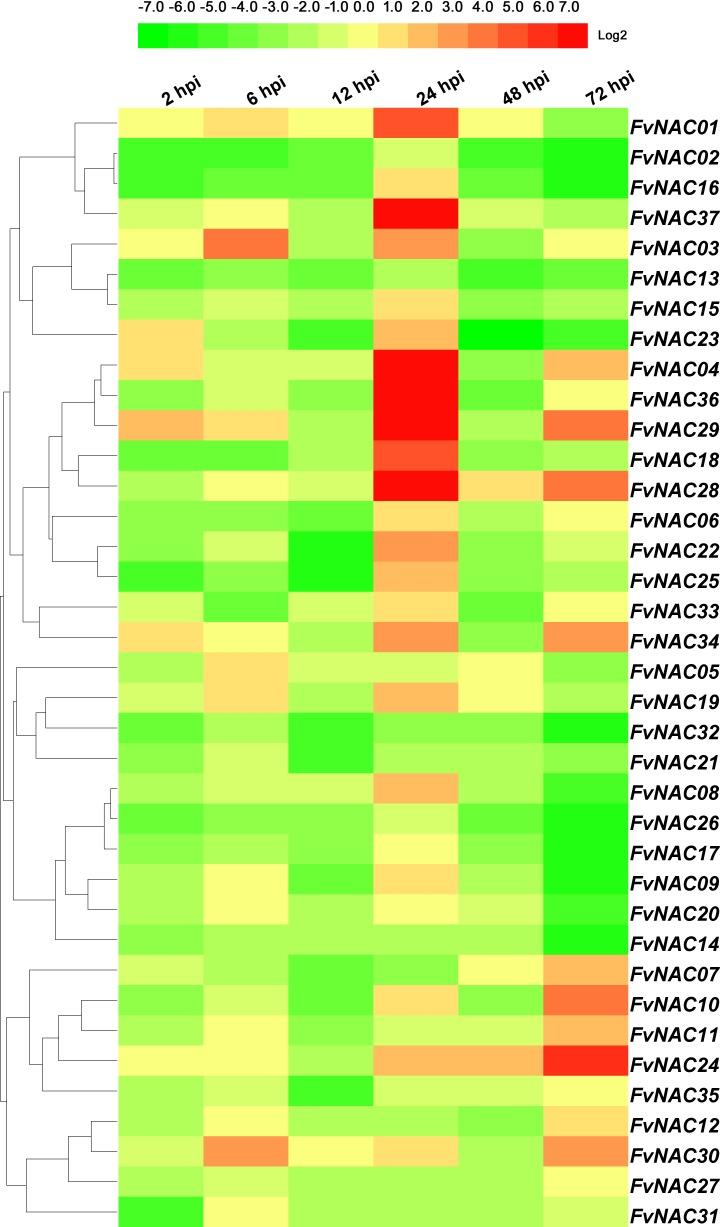
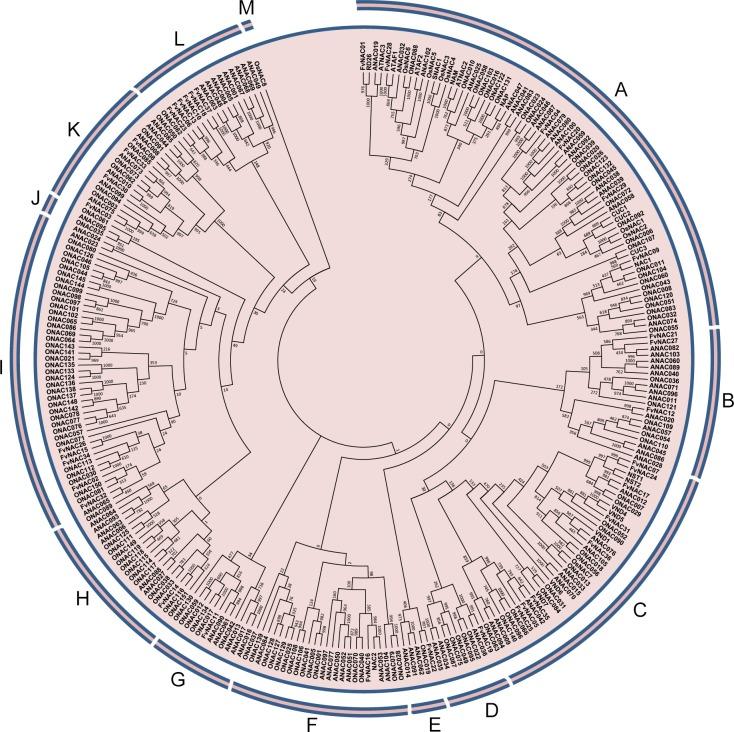
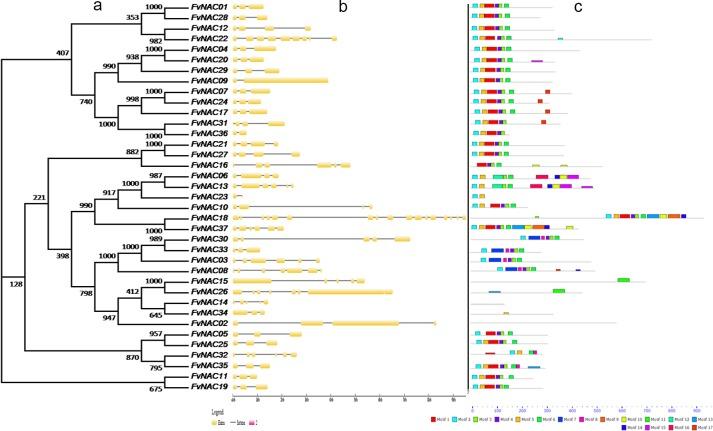
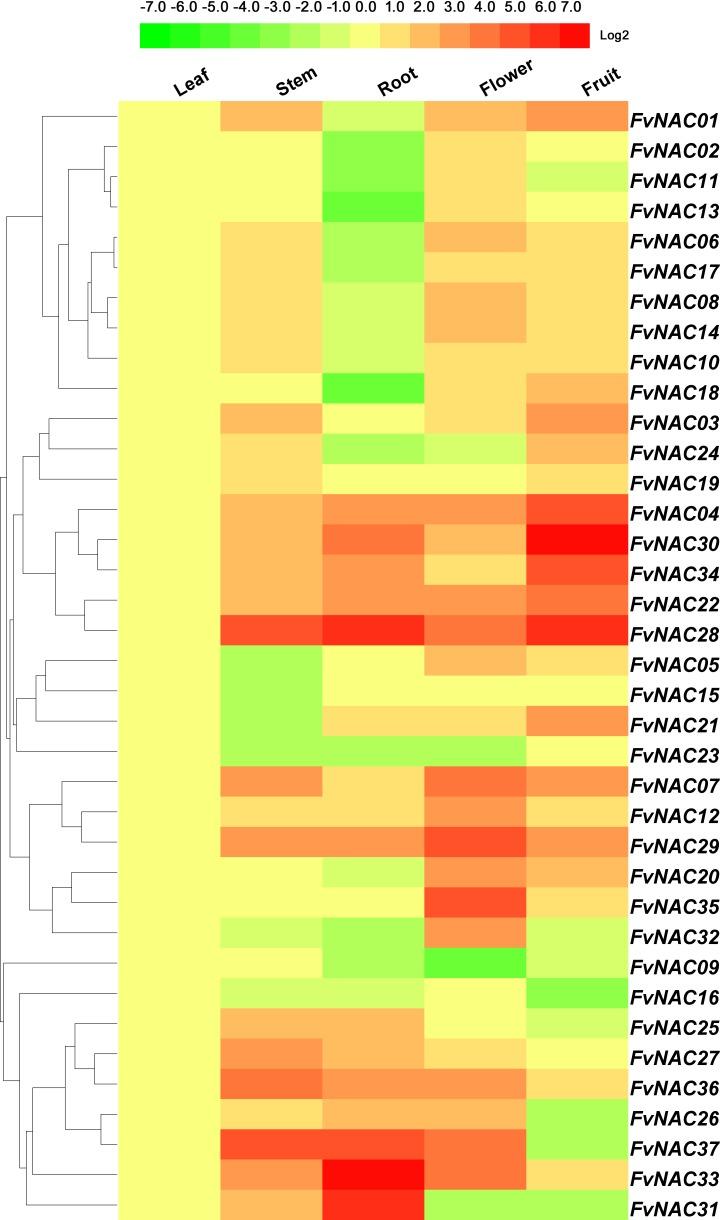
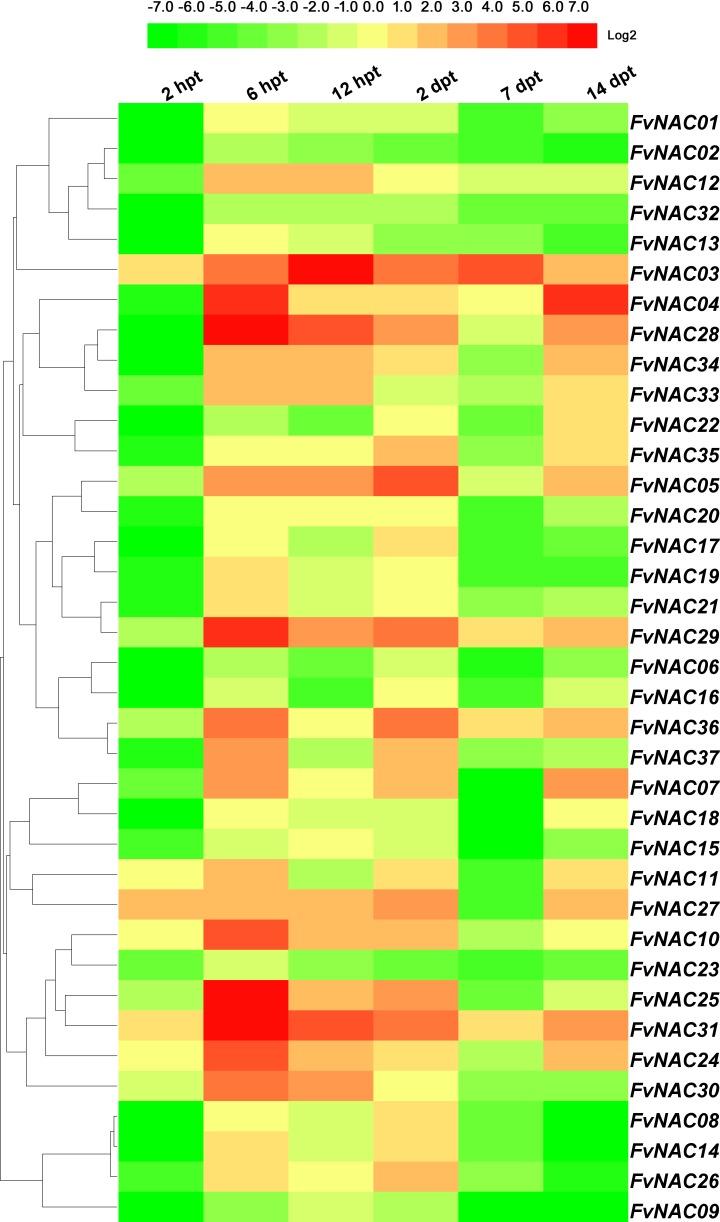
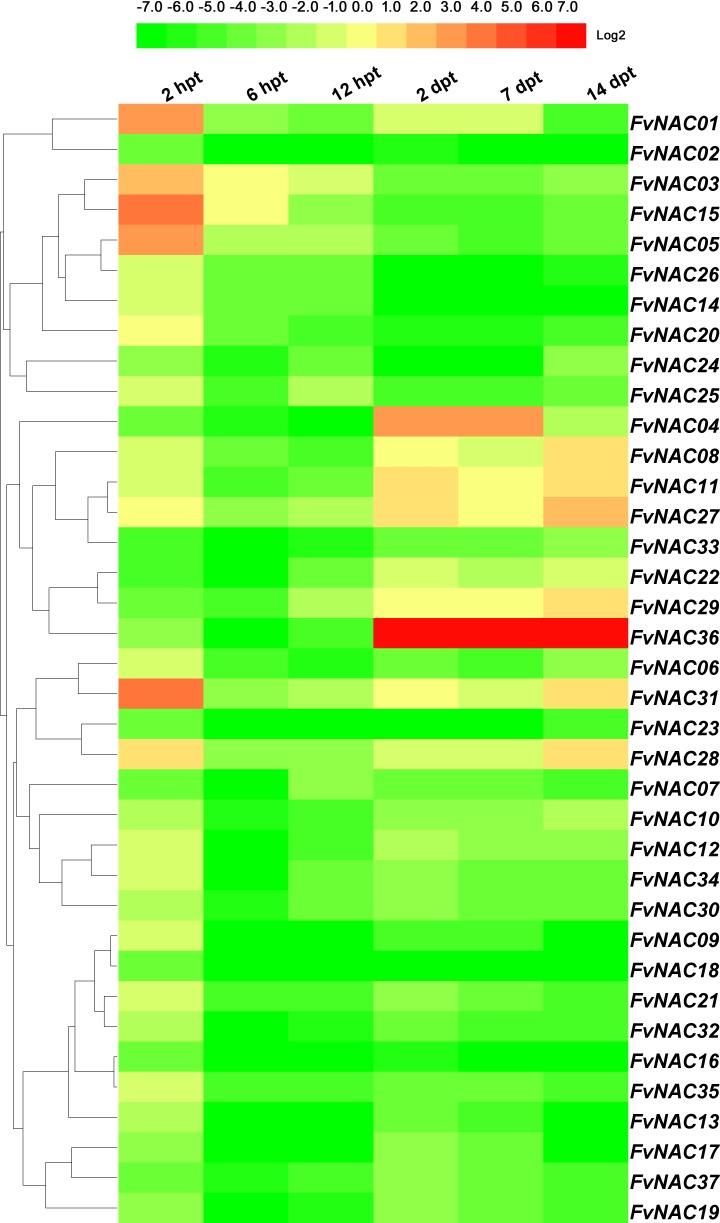
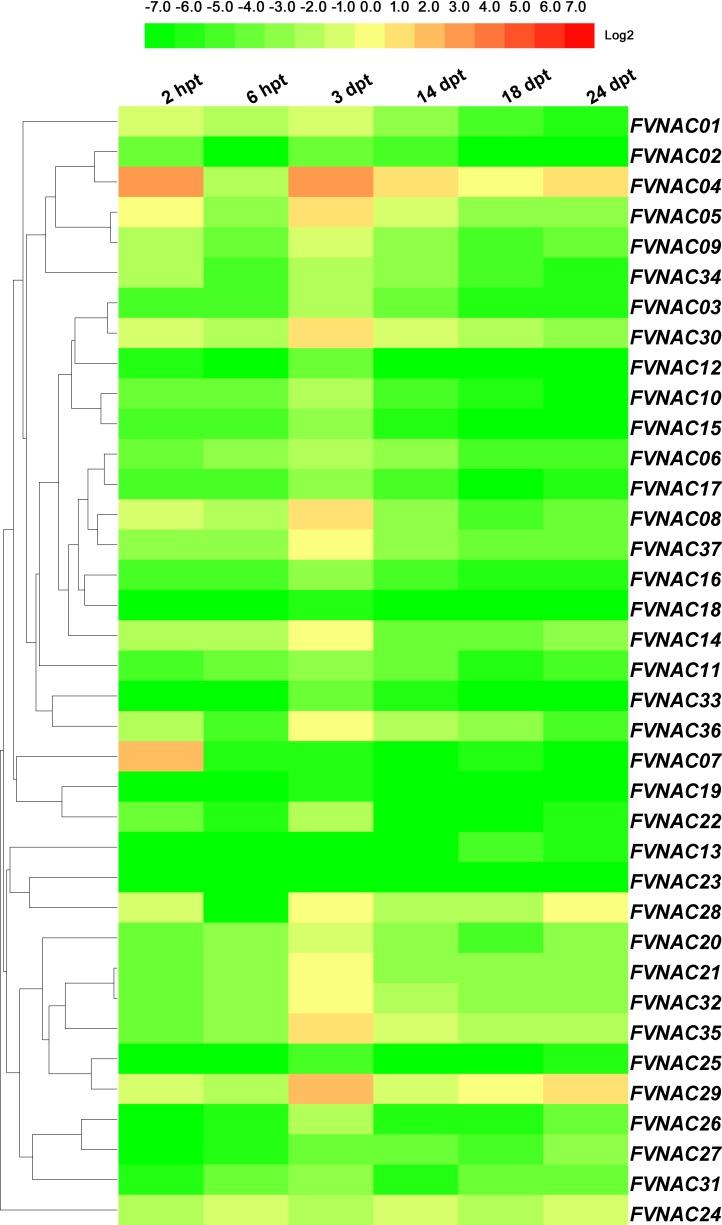
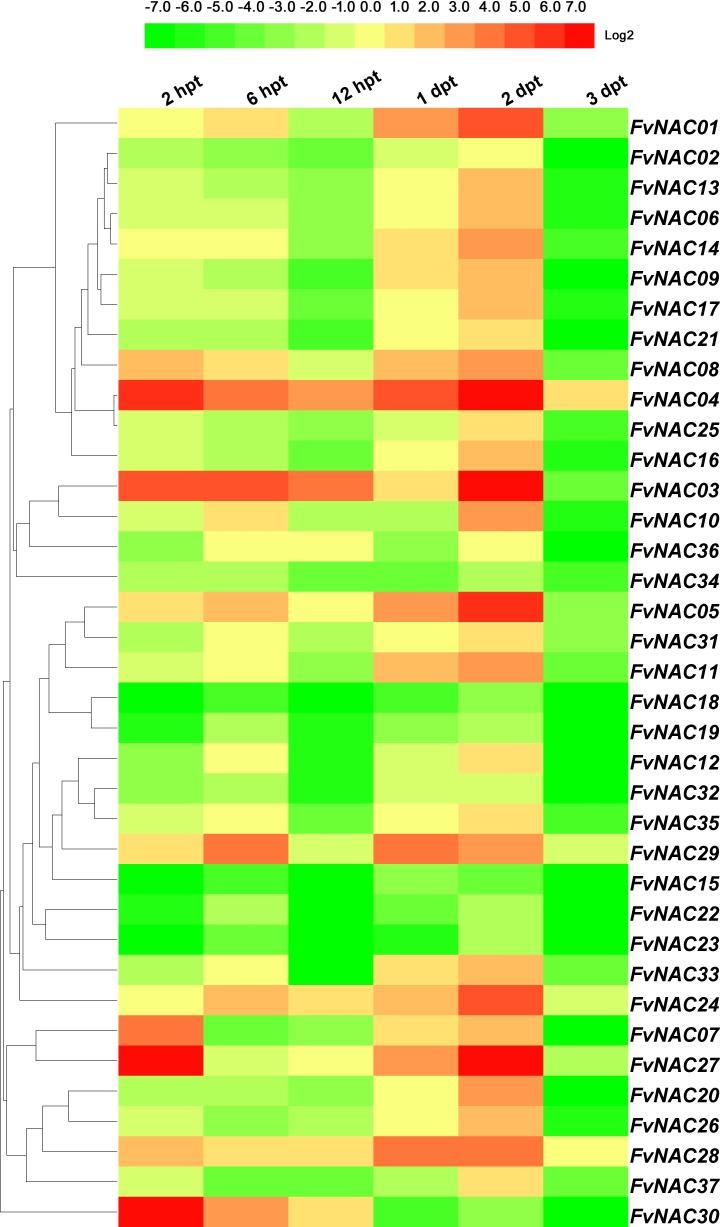
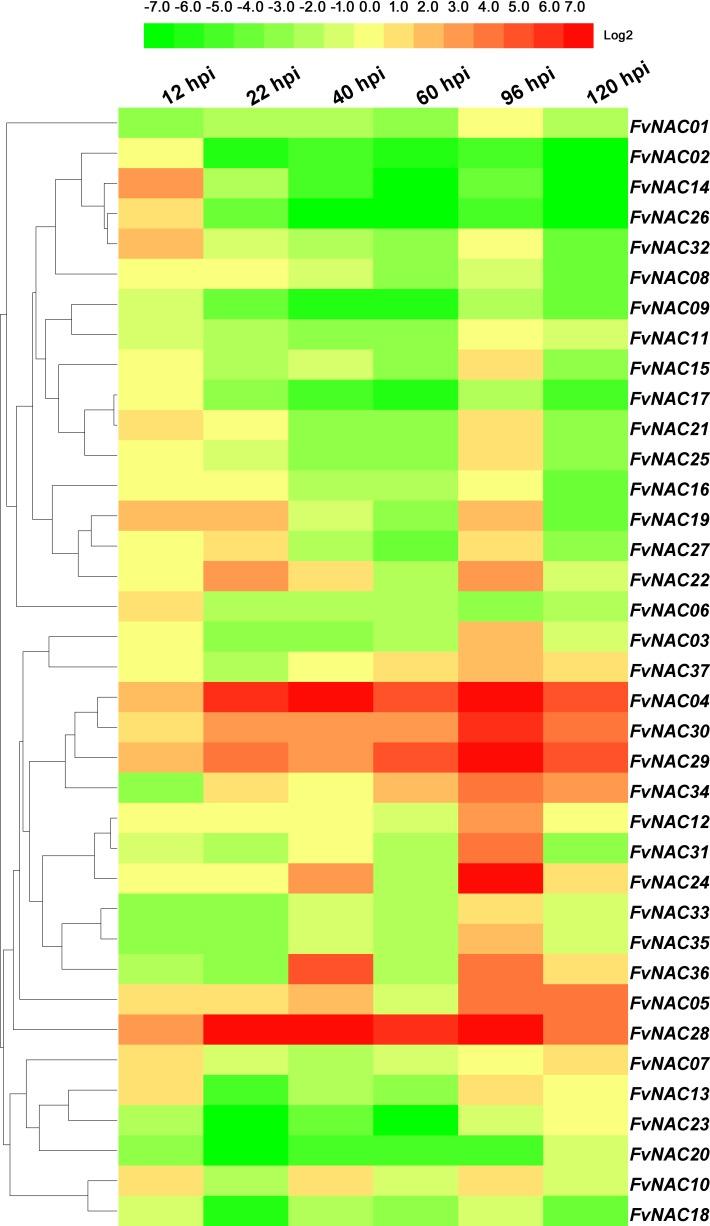
The NAC transcription factors involved plant development and response to various stress stimuli. However, little information is available concerning the NAC family in the woodland strawberry. Herein, 37 NAC genes were identified from the woodland strawberry genome and were classified into 13 groups based on phylogenetic analysis. And further analyses of gene structure and conserved motifs showed closer relationship of them in every subgroup. Quantitative real-time PCR evaluation different tissues revealed distinct spatial expression profiles of the FvNAC genes. The comprehensive expression of FvNAC genes revealed under abiotic stress (cold, heat, drought, salt), signal molecule treatments (H2O2, ABA, melatonin, rapamycin), biotic stress (Colletotrichum gloeosporioides and Ralstonia solanacearum). Expression profiles derived from quantitative real-time PCR suggested that 5 FvNAC genes responded dramatically to the various abiotic and biotic stresses, indicating their contribution to abiotic and biotic stresses resistance in woodland strawberry. Interestingly, FvNAC genes showed greater extent responded to the cold treatment than other abiotic stress, and H2O2 exhibited a greater response than ABA, melatonin, and rapamycin. For biotic stresses, 3 FvNAC genes were up-regulated during infection with C. gloeosporioides, while 6 FvNAC genes were down-regulated during infection with R. solanacearum. In conclusion, this study identified candidate FvNAC genes to be used for the genetic improvement of abiotic and biotic stress tolerance in woodland strawberry.
NAC 转录因子参与植物发育和对各种胁迫刺激的反应。然而,关于林地草莓中的 NAC 家族,信息很少。本文从林地草莓基因组中鉴定出 37 个 NAC 基因,并根据系统发育分析将它们分为 13 组。进一步的基因结构和保守基序分析表明,它们在每个亚组中关系更为密切。定量实时 PCR 对不同组织的评估显示,FvNAC 基因具有不同的空间表达谱。综合分析 FvNAC 基因在非生物胁迫(冷、热、干旱、盐)、信号分子处理(H2O2、ABA、褪黑素、雷帕霉素)、生物胁迫(炭疽菌和青枯菌)下的表达谱。定量实时 PCR 得出的表达谱表明,5 个 FvNAC 基因对各种非生物和生物胁迫有显著反应,表明它们对林地草莓的非生物和生物胁迫抗性有贡献。有趣的是,FvNAC 基因对冷处理的反应程度大于其他非生物胁迫,而 H2O2 的反应程度大于 ABA、褪黑素和雷帕霉素。对于生物胁迫,3 个 FvNAC 基因在感染炭疽菌时上调,而 6 个 FvNAC 基因在感染青枯菌时下调。总之,本研究鉴定了候选 FvNAC 基因,可用于林地草莓非生物和生物胁迫耐受性的遗传改良。



 Zotero 插件