
马轮状病毒的转录和翻译景观。
Transcriptional and Translational Landscape of Equine Torovirus.
机构信息
Division of Virology, Department of Pathology, University of Cambridge, Cambridge, United Kingdom.
Molecular Virology Laboratory, Department of Medical Microbiology, Leiden University Medical Center, Leiden, The Netherlands.
出版信息
J Virol. 2018 Aug 16;92(17). doi: 10.1128/JVI.00589-18. Print 2018 Sep 1.
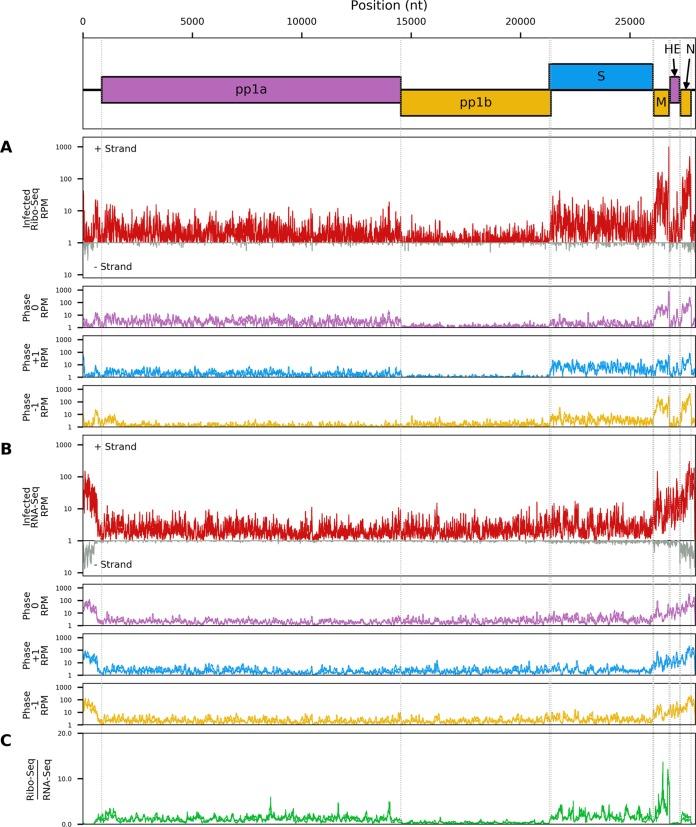
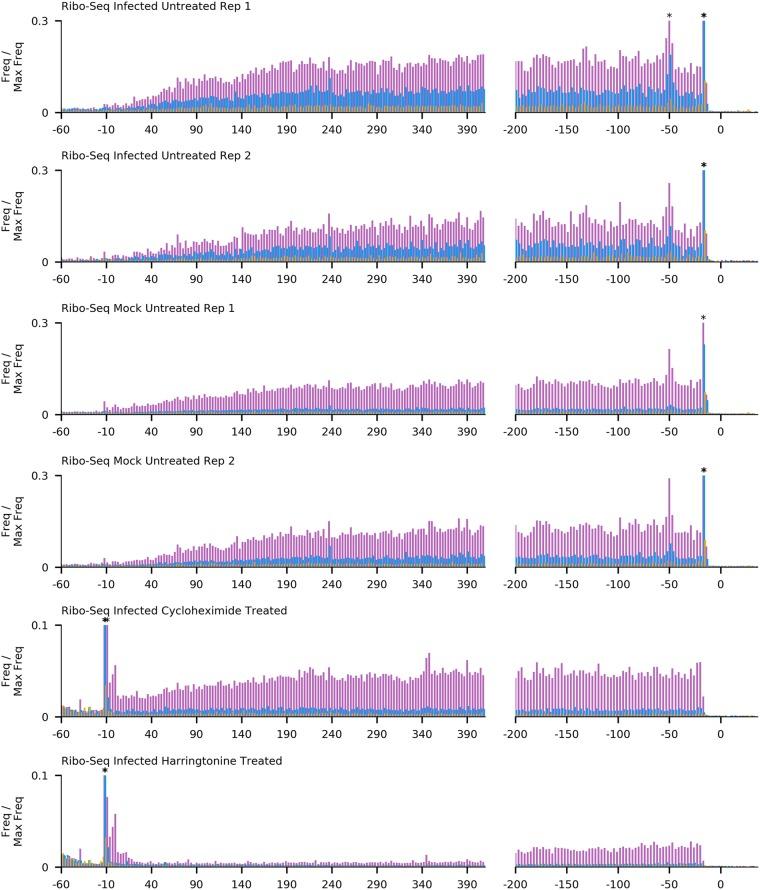
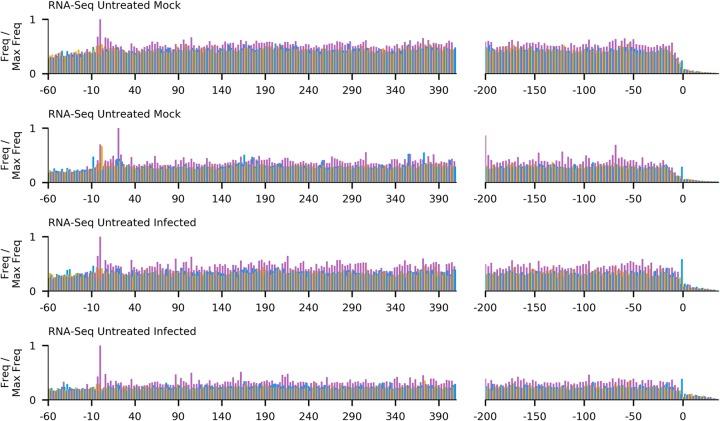
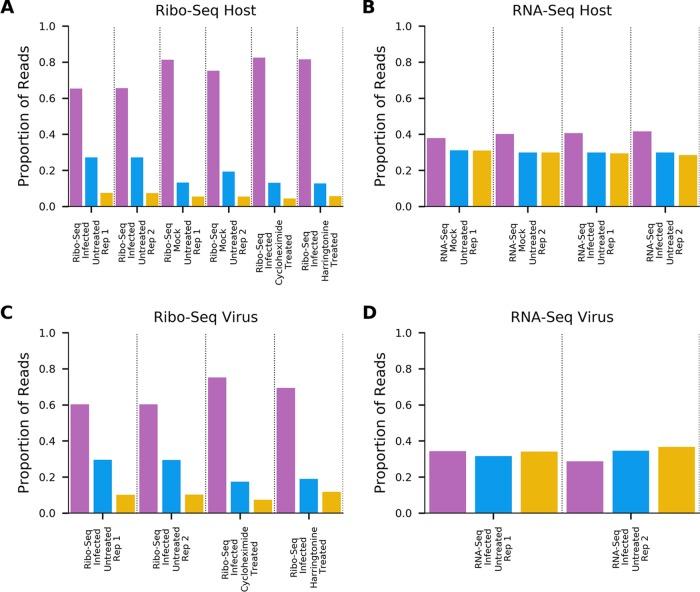
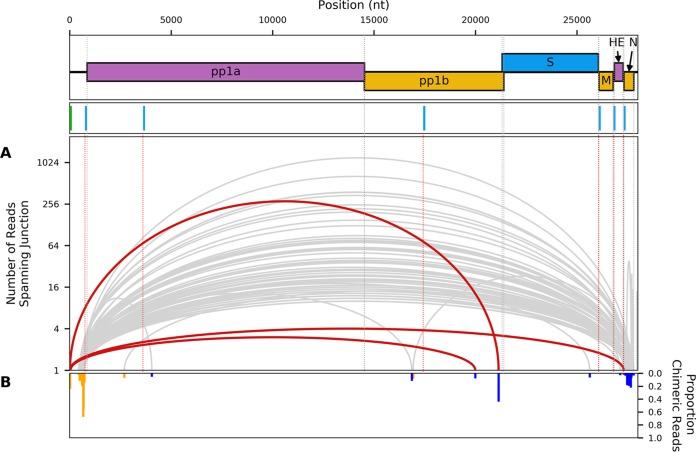
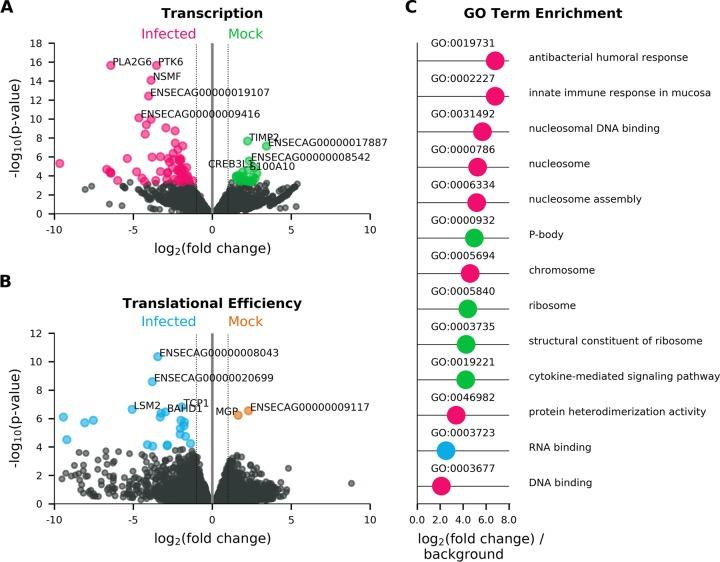
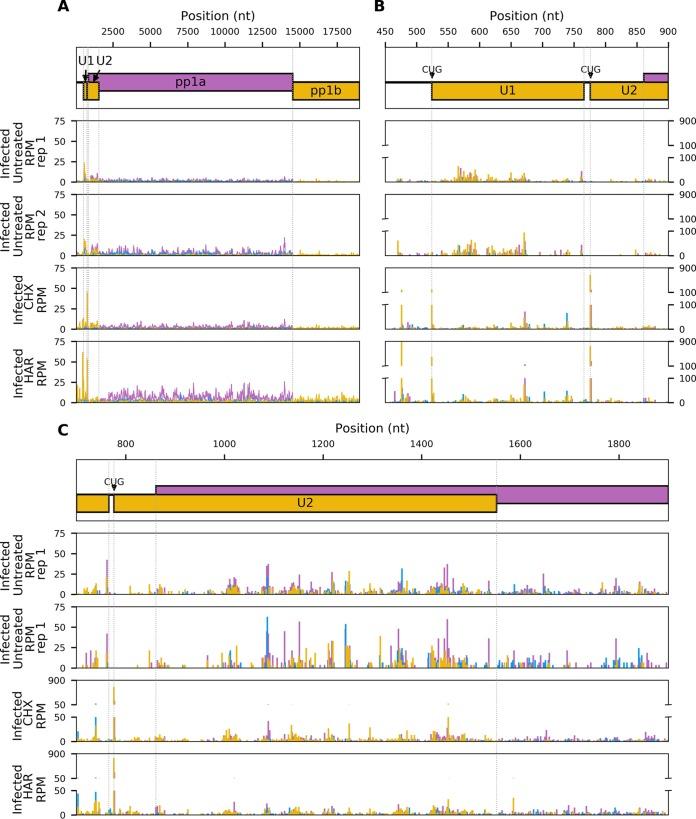
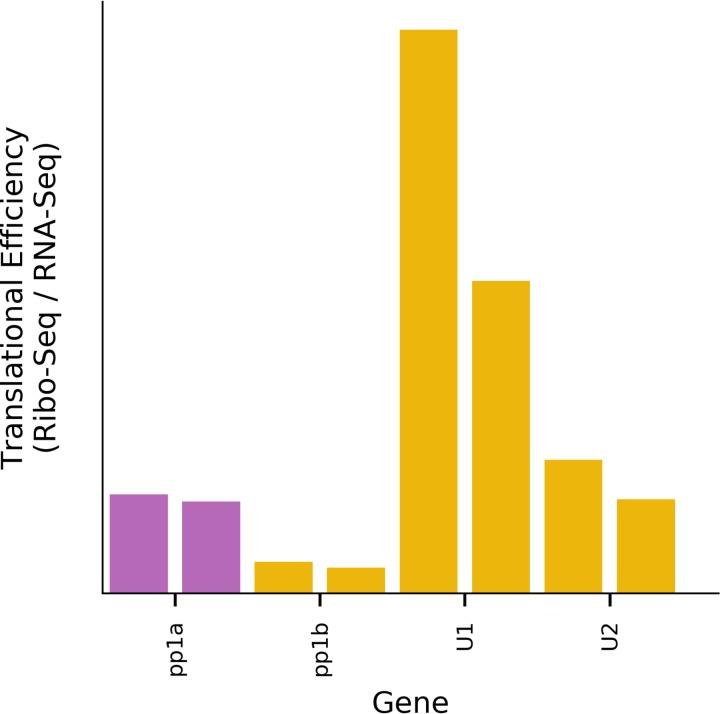
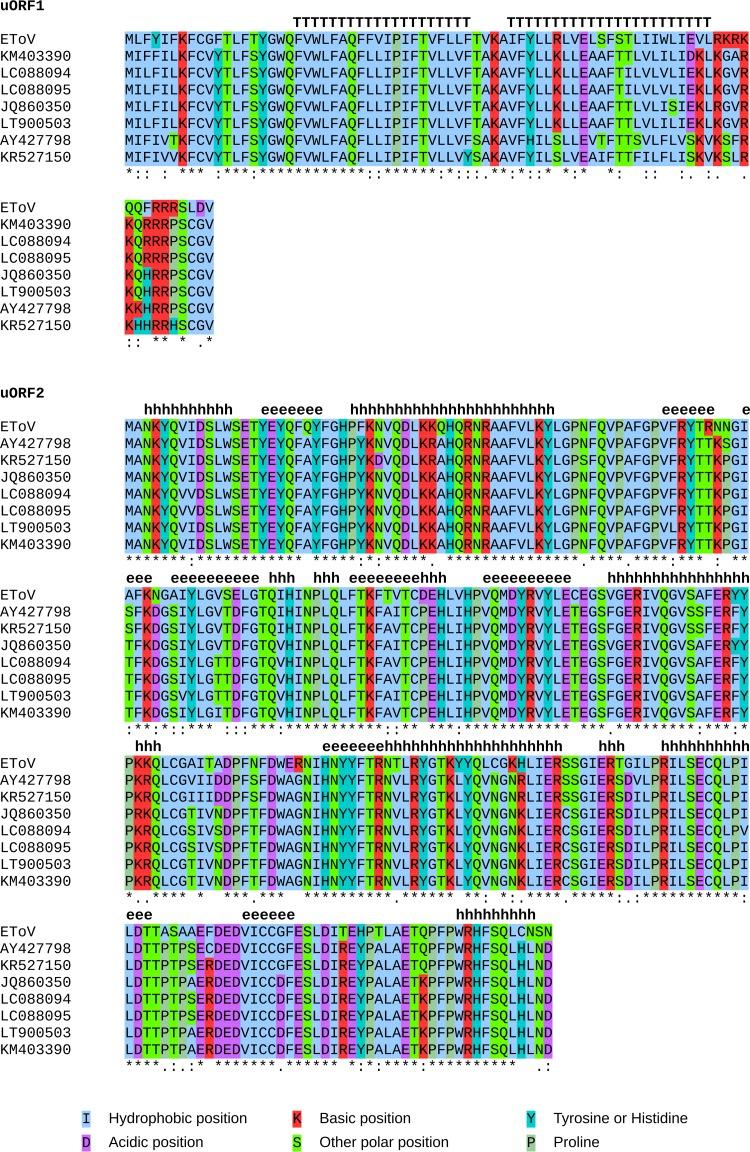
The genus (subfamily , family , order ) encompasses a range of species that infect domestic ungulates, including cattle, sheep, goats, pigs, and horses, causing an acute self-limiting gastroenteritis. Using the prototype species equine torovirus (EToV), we performed parallel RNA sequencing (RNA-seq) and ribosome profiling (Ribo-seq) to analyze the relative expression levels of the known torovirus proteins and transcripts, chimeric sequences produced via discontinuous RNA synthesis (a characteristic of the nidovirus replication cycle), and changes in host transcription and translation as a result of EToV infection. RNA sequencing confirmed that EToV utilizes a unique combination of discontinuous and nondiscontinuous RNA synthesis to produce its subgenomic RNAs (sgRNAs); indeed, we identified transcripts arising from both mechanisms that would result in sgRNAs encoding the nucleocapsid. Our ribosome profiling analysis revealed that ribosomes efficiently translate two novel CUG-initiated open reading frames (ORFs), located within the so-called 5' untranslated region. We have termed the resulting proteins U1 and U2. Comparative genomic analysis confirmed that these ORFs are conserved across all available torovirus sequences, and the inferred amino acid sequences are subject to purifying selection, indicating that U1 and U2 are functionally relevant. This study provides the first high-resolution analysis of transcription and translation in this neglected group of livestock pathogens. Toroviruses infect cattle, goats, pigs, and horses worldwide and can cause gastrointestinal disease. There is no treatment or vaccine, and their ability to spill over into humans has not been assessed. These viruses are related to important human pathogens, including severe acute respiratory syndrome (SARS) coronavirus, and they share some common features; however, the mechanism that they use to produce sgRNA molecules differs. Here, we performed deep sequencing to determine how equine torovirus produces sgRNAs. In doing so, we also identified two previously unknown open reading frames "hidden" within the genome. Together these results highlight the similarities and differences between this domestic animal virus and related pathogens of humans and livestock.
该属(亚科、科、目)包含一系列感染家畜的物种,包括牛、羊、山羊、猪和马,引起急性自限性胃肠炎。使用原型种马传染性冠状病毒(EToV),我们进行了平行 RNA 测序(RNA-seq)和核糖体谱(Ribo-seq)分析,以分析已知冠状病毒蛋白和转录本的相对表达水平、通过不连续 RNA 合成产生的嵌合序列(该病毒复制周期的特征),以及 EToV 感染导致的宿主转录和翻译变化。RNA 测序证实,EToV 利用独特的不连续和非不连续 RNA 合成组合来产生其亚基因组 RNA(sgRNA);实际上,我们鉴定了来自两种机制的转录本,这将导致编码核衣壳的 sgRNA。我们的核糖体谱分析表明,核糖体有效地翻译两个位于所谓 5'非翻译区的新型 CUG 起始开放阅读框(ORF)。我们将产生的蛋白质命名为 U1 和 U2。比较基因组分析证实,这些 ORF 在所有可用的冠状病毒序列中都保守,推断的氨基酸序列受到纯化选择,表明 U1 和 U2 具有功能相关性。本研究首次对这组被忽视的家畜病原体的转录和翻译进行了高分辨率分析。冠状病毒感染全世界的牛、山羊、猪和马,可引起胃肠道疾病。目前尚无治疗或疫苗,其溢出到人类的能力尚未评估。这些病毒与重要的人类病原体有关,包括严重急性呼吸综合征(SARS)冠状病毒,它们具有一些共同特征;然而,它们用于产生 sgRNA 分子的机制不同。在这里,我们进行了深度测序以确定马冠状病毒如何产生 sgRNA。在这样做的过程中,我们还在基因组内鉴定了两个以前未知的开放阅读框“隐藏”。这些结果共同强调了这种家畜病毒与相关人类和家畜病原体之间的异同。






 Zotero 插件